

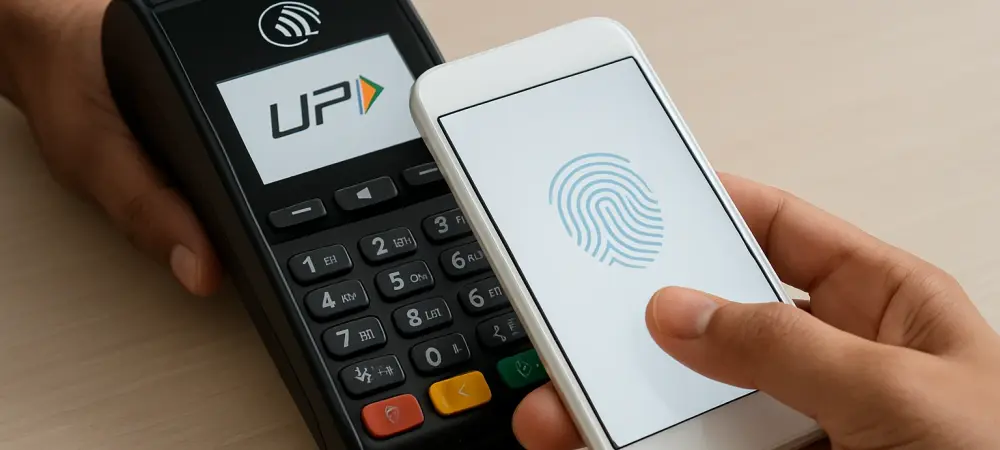
I’m thrilled to sit down with Nicholas Braiden, a trailblazer in the world of financial technology and an early adopter of blockchain. With years of experience advising startups on harnessing tech to revolutionize digital payments and lending systems, Nicholas brings a wealth of insight into the latest innovations shaping the industry. Today, we’re diving into a groundbreaking development in India’s Unified Payments Interface (UPI) system—the introduction of biometric authentication for real-time payments. Our conversation explores how this feature transforms the payment experience, the motivations behind moving beyond PIN-based systems, the security and convenience it offers, and the challenges of rolling out such a massive change on a global scale.
Can you walk us through what the new biometric authentication feature for UPI entails and how it changes the way users approve payments?
Absolutely. This new feature allows UPI users in India to authorize transactions using their fingerprint or a facial scan instead of the traditional PIN. It’s a significant shift because it leverages biometric data, which is unique to each individual, to confirm a payment in real time. Unlike entering a PIN, which can be forgotten or stolen, a quick scan of your finger or face completes the transaction almost instantly. It’s built to make the process smoother and more intuitive, especially since most people are already familiar with biometrics from unlocking their phones.
What prompted the Reserve Bank of India to seek an alternative to PIN-based authentication for UPI transactions?
The Reserve Bank of India saw that the PIN system, while functional, had vulnerabilities that were being exploited through scams and fraud. PINs can be shared accidentally or stolen through phishing attacks, leading to unauthorized transactions. The RBI wanted a method that’s harder to replicate or steal, and biometric authentication fits the bill since it’s tied to a person’s unique physical traits. Their goal is to enhance security while keeping the system accessible and fast for millions of daily users.
How can users get started with this biometric option, and what’s the process like?
Users have the choice to opt into this feature—it’s not mandatory. If they decide to use it, they’ll link their biometric data, which is stored securely in Aadhaar, India’s government-operated identity system. This integration ensures that the data isn’t floating around in multiple places but is centralized and protected. The setup is designed to be user-friendly, and since it doesn’t require entering debit card details like the PIN setup did, it’s a simpler process for most people.
What do you see as the biggest advantages of biometric authentication for UPI payments?
The benefits are twofold: convenience and security. On the convenience side, it cuts down friction at checkout. You don’t have to remember or type in a PIN—just a quick scan, and you’re done. This is especially handy for quick, everyday transactions. On the security front, it’s a game-changer because biometric data is much harder to fake or steal compared to a PIN. This directly tackles the fraud issues that have plagued UPI with scams exploiting the older system, offering users more peace of mind.
What challenges do you anticipate in rolling out this biometric feature to such a large user base?
There are a few hurdles to clear. First, awareness and adoption—many users might not know about this option or might be hesitant to trust it with their biometric data. Education campaigns will be crucial to build that confidence. Second, infrastructure is a big piece of the puzzle. Merchants and payment processors need the right hardware and software to support biometric scans, which could take time and investment. Lastly, data protection is a valid concern. Even with strong safeguards, any breach of biometric data would be catastrophic, so ensuring robust security protocols is non-negotiable.
How is the security of biometric transactions being managed compared to the older PIN system?
The National Payments Corporation of India, which runs UPI, has emphasized that each biometric transaction is independently verified by the issuing bank using advanced cryptographic checks. This adds a layer of protection that’s more sophisticated than the PIN system, where a stolen code could be used without much barrier. Biometric data isn’t stored locally on devices or with merchants—it’s centralized in a secure system, reducing the risk of interception during transactions. It’s a much tighter security framework overall.
How does the setup process for biometric authentication differ from creating a PIN for UPI?
Setting up biometric authentication is notably streamlined. With the PIN, users had to input debit card details to create and verify their code, which added an extra step. For biometrics, that’s not necessary. You’re simply linking your existing biometric data, often already registered in a system like Aadhaar, to your UPI account. It’s quicker and feels less cumbersome, which could encourage more people to switch over to this method.
Why is this biometric launch for UPI considered such a significant milestone on a global scale?
UPI’s scale is staggering—it processes around 20 billion transactions a month, making it one of the largest real-time payment systems in the world. Introducing biometrics at this level isn’t just a local innovation; it sets a precedent for how digital payments can evolve globally. The National Payments Corporation of India also plays a massive role, handling nearly half of the world’s payment transactions. So, when they roll out a feature like this, it signals a direction for the industry worldwide, proving that biometric authentication can work at an unprecedented scale.
Looking ahead, what’s your forecast for the future of biometric authentication in digital payments?
I think we’re just at the beginning of seeing biometrics transform digital payments. As technology becomes more reliable and user trust grows, we’ll likely see it become a standard option, not just an alternative, in many markets beyond India. The focus will shift to balancing convenience with ironclad security—think multi-factor biometrics or integrating it with other emerging tech like AI for fraud detection. If done right, it could redefine how we think about trust and identity in financial transactions, making payments not just faster but fundamentally safer.