

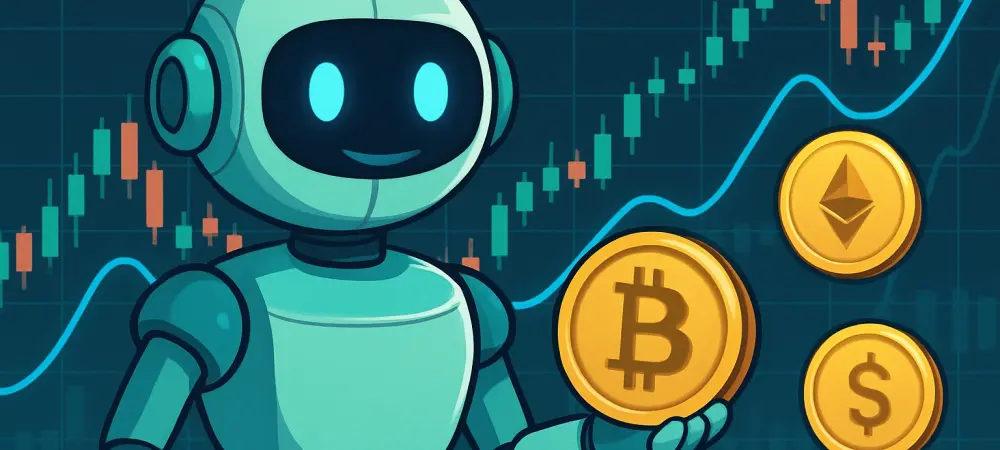
As the cryptocurrency market heats up with Bitcoin, Ethereum, and Ripple leading a remarkable surge, I’m thrilled to sit down with an expert in quantitative trading and fintech innovation. With years of experience in AI-driven investment strategies, our guest today offers unparalleled insight into how technology is reshaping the financial landscape. We’ll dive into the forces behind the recent crypto rally, explore how quantitative trading gives Wall Street an edge, and uncover how platforms like AB Quantitative Trading are empowering everyday investors to compete in this fast-paced arena.
What’s fueling the dramatic rise in Bitcoin, Ethereum, and Ripple over the past week?
The recent surge in these major cryptocurrencies is driven by a mix of factors. First, there’s renewed institutional interest—big players are pouring capital into the market, which creates a ripple effect. Second, positive regulatory chatter in several countries has boosted confidence, as investors feel the space is becoming less of a Wild West. Lastly, macroeconomic conditions, like inflation concerns, are pushing people toward decentralized assets as a hedge. It’s a perfect storm of momentum and sentiment right now.
How is this price boom influencing investor confidence around the world?
Globally, we’re seeing a significant uptick in optimism. Retail investors, who might have been on the sidelines during the bear market, are jumping back in, fearing they’ll miss out. Meanwhile, institutions are doubling down, viewing this rally as validation of their long-term bets on crypto. However, there’s also caution—many remember past volatility and are wary of sudden reversals. Overall, confidence is high, but it’s tempered by experience.
How does the approach of Wall Street institutions to cryptocurrency trading differ from that of everyday investors?
Wall Street has a massive advantage in resources and technology. They deploy sophisticated quantitative trading systems that analyze vast datasets in real-time, executing trades with precision. They’re focused on risk-adjusted returns, often hedging positions across multiple assets. On the other hand, retail investors typically rely on intuition or basic analysis, which can’t match the speed or depth of institutional strategies. Emotion often drives their decisions, leading to mistimed trades.
Can you break down what quantitative trading really means for someone new to the concept?
At its core, quantitative trading is about using math, statistics, and technology to make trading decisions. Instead of gut feelings, it relies on algorithms to identify patterns and opportunities in the market. These systems can process millions of data points—like price history or market sentiment—and execute trades in fractions of a second. It’s essentially a data-driven way to remove human bias and maximize efficiency in trading.
What role do AI and algorithms play in making these trades so incredibly fast?
AI and algorithms are the backbone of this speed. They’re trained to recognize patterns and predict short-term price movements based on historical data and live market feeds. Once a signal is detected, the system can place orders almost instantly, far faster than any human could. This speed is crucial in volatile markets like crypto, where prices can shift dramatically in seconds.
How does a platform like AB Quantitative Trading help bridge the gap for regular investors?
AB Quantitative Trading, or ABQuant, democratizes access to these powerful tools. Historically, quant trading was reserved for hedge funds with deep pockets. ABQuant uses AI to simplify the process, offering pre-built strategies that anyone can use with a single click. It’s designed to let everyday investors tap into Wall Street-grade methods without needing a finance degree or millions in capital.
What specific features does ABQuant offer to someone with little to no trading experience?
For beginners, ABQuant provides an intuitive interface and automated strategies powered by AI. You don’t need to understand market charts or indicators—the platform handles that for you. They also offer a variety of contract durations, from short-term options for quick returns to longer-term plans for steady growth. Plus, there’s educational support to help users understand the basics as they go.
Can you tell us more about the 100 USDT trial bonus for new users on ABQuant?
The 100 USDT trial bonus is a fantastic entry point. It’s essentially free capital that new users can use to test the platform’s AI-driven trading strategies without risking their own money. It’s a low-pressure way to see how quant trading works in real market conditions, allowing beginners to build confidence before committing their own funds.
What types of trading contracts are available on the platform, and who might they appeal to?
ABQuant offers a range of options to suit different goals. Short-term contracts, like 1, 3, or 7 days, are ideal for those looking for quick profits or testing the waters. They’re fast-paced and cater to users who want immediate results. Longer-term strategies, spanning 15, 31, or 42 days, are better for investors seeking gradual, compounded growth with less daily oversight. There’s something for everyone, depending on risk tolerance and time commitment.
How does ABQuant ensure users can see returns and access their funds with ease?
The platform credits earnings to user accounts daily, so you’re not waiting weeks to see results. This transparency helps build trust. As for withdrawals, once your balance hits 100 USDT, the process is designed to be instant and hassle-free. The idea is to make sure users feel in control of their money at all times, which is a big concern for many in the crypto space.
What is your forecast for the future of AI-driven trading in the cryptocurrency market?
I believe AI-driven trading will become the norm in crypto over the next few years. As markets grow more complex and volatile, manual trading will struggle to keep up. AI not only offers speed and precision but also adapts to changing conditions in ways humans can’t. We’re likely to see even more accessible platforms emerge, further leveling the playing field. The real game-changer will be how AI integrates with blockchain for transparency and security— that’s the future I’m excited about.