

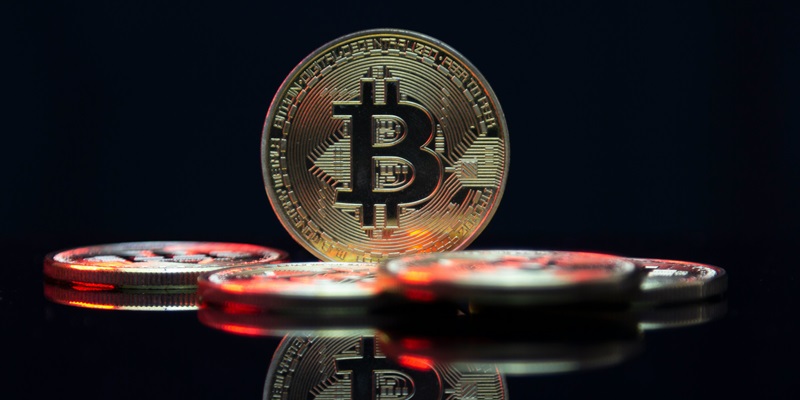
The price of Bitcoin has managed to maintain its position at $43,000, showcasing a solid gain of over 2.2% on February 1. This remarkable resilience can be attributed to the strong inflows witnessed by spot Bitcoin ETFs, continuing to attract investors even after 20 days since their launch. However, while the cryptocurrency market remains relatively stable, regional banks in the United States have encountered significant losses for the second consecutive day, leading to concerns about their overall financial health.
Strong Inflows in Spot Bitcoin ETFs
Despite fluctuations in the broader financial markets, spot Bitcoin ETFs have reported robust inflows. These investment vehicles, designed to track the price of Bitcoin, have experienced continued investor interest, contributing to the overall stability of the cryptocurrency market. The sustained inflows in spot Bitcoin ETFs have bolstered confidence and played a role in Bitcoin’s ability to hold its ground at $43,000.
Regional banks in the United States experience losses
Unfortunately, the regional banking sector in the United States is mired in a state of decline. The KBW Regional Banking Index, a widely followed benchmark for regional banks, suffered a notable setback with a 1.6% decline. This marks the index’s most substantial single-day drop since the collapse of Signature Bank back in March 2023. Amidst this downward trend, individual banks such as New York Community Bancorp (NYCB) have experienced significant stock slides, witnessing a staggering decline of over 40% since Tuesday.
New York Community Bancorp (NYCB) Shares Slide
NYCB has been particularly affected by the ongoing regional banking crisis. Moody’s, a leading credit rating agency, has placed NYCB’s ratings under review for a potential downgrade, possibly leading it into “junk territory.” This development has escalated concerns regarding the bank’s financial stability and the impact it could have on shareholders and investors. In a further blow to NYCB’s prospects, other prominent banks including Bank of America and UBS have decreased their target prices for the bank, reflecting a lack of confidence in its future earnings potential.
Short Sellers Profit Amid Banking Crisis
In the face of the banking crisis, short sellers have seized an opportunity to reap profits. Capitalizing on the downward trajectory of bank stocks, short sellers have earned an astounding $685 million. The decline in regional bank stocks has created a lucrative environment for these investors, allowing them to profit from the negative trends within the sector. While short selling tends to be a controversial practice, it serves as a reminder of the profits that can be made during market downturns.
Potential Impact on Banks Offering Elevated Interest Rates
Analysts have highlighted a potential consequence for banks that offer elevated interest rates on deposits. They suggest that these banks may experience a decline in their Net Interest Income (NII), which represents the difference between earnings from loans and payments on deposits. In a climate where interest rates fluctuate and borrowing activity diminishes, banks may face challenges in maintaining their NII levels. Thus, banks offering higher interest rates may find their profitability affected as customers shift deposits to other institutions providing more competitive rates.
In conclusion, Bitcoin’s ability to hold steady at $43,000 amid regional banking turmoil is noteworthy. Thanks to continued inflows into spot Bitcoin ETFs, the cryptocurrency market remains resilient despite volatile conditions. On the other hand, regional banks in the United States are facing a difficult situation, with the KBW Regional Banking Index experiencing substantial declines and NYCB struggling with plummeting share prices and potential ratings downgrades. Short sellers have taken advantage of this crisis, reaping significant profits. As the narrative continues to unfold, banks offering elevated interest rates may face challenges as the market landscape evolves. The steadfast hold of Bitcoin amidst this turmoil underscores its status as a sought-after investment alternative in times of economic uncertainty.