

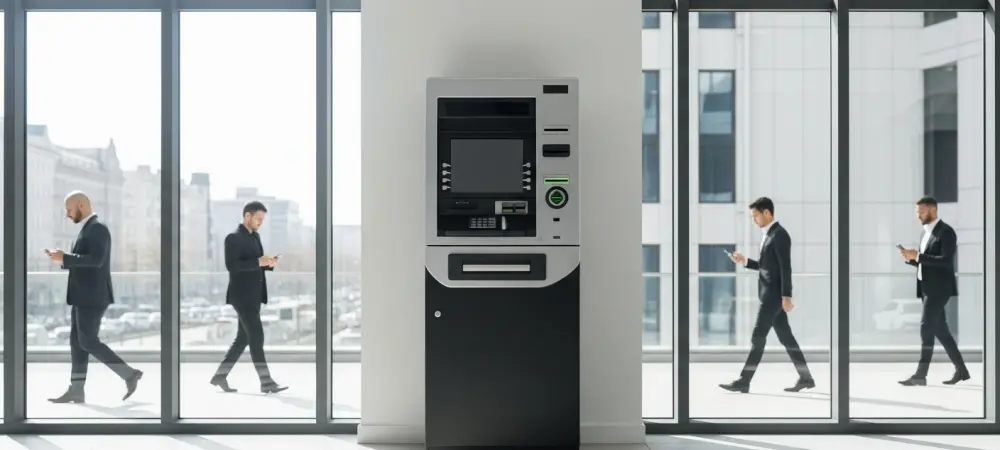
The recent Chapter 11 bankruptcy filing by Bitcoin Depot marks a definitive turning point for an industry that once promised to bridge the gap between traditional cash and digital assets. This move by the largest Bitcoin ATM operator in North America signals a profound shift in the viability of the physical kiosk business model, which has struggled to maintain its relevance in an increasingly digital and regulated financial landscape. At its peak, the company operated nearly 10,000 kiosks across the continent, strategically placed in gas stations and convenience stores to capture the interest of the underbanked population. These machines were designed to provide a tangible entry point into the world of cryptocurrency, allowing users to exchange physical currency for digital tokens. However, the convenience that once fueled their rapid expansion has now become a liability as more efficient and cost-effective alternatives have emerged to serve the same demographic. This shift highlights a broader trend of technological maturation within the finance sector.
Financial Instability: Shifting Market Dynamics
Financial disclosures from the early months of 2026 reveal the extent of the economic distress facing the sector, with Bitcoin Depot reporting a staggering 50% year-over-year revenue decline. This downturn resulted in a net loss of approximately $9.5 million, highlighting the precarious nature of maintaining a massive physical footprint in a volatile market. The situation was further complicated by a significant security breach, where a sophisticated cyber-theft targeted the company’s corporate wallets, resulting in the loss of $3.6 million. This event underscored the inherent risks associated with managing large-scale cryptocurrency operations and eroded investor confidence at a critical juncture. The widespread adoption of spot crypto ETFs and mobile trading apps has fundamentally changed how consumers access the market, leaving little room for niche physical hardware providers.
The competitive landscape has evolved so rapidly that the high transaction fees once accepted by ATM users are now viewed as a significant barrier to entry. While physical kiosks often charged premiums ranging from 8% to 20%, modern mobile platforms like Coinbase and Cash App offer similar services for less than 1% in most cases. This discrepancy has driven savvy investors away from high-margin physical machines toward more streamlined digital solutions that integrate directly with existing bank accounts. Furthermore, the introduction of crypto-linked debit cards has allowed users to spend their digital holdings as easily as cash, rendering the withdrawal function of many ATMs redundant. As these technological advancements continue to proliferate, the value proposition of a stand-alone cryptocurrency ATM has diminished to the point of obsolescence. The convenience of a street-corner kiosk simply cannot compete with the accessibility and lower costs provided by the smartphone in a user’s pocket, forcing a total rethink of the current business model.
Regulatory Pressure: The Path to Market Sustainability
Stringent regulatory oversight has emerged as a primary obstacle for operators who previously thrived in a less structured environment. Lawmakers across various states have introduced legislation aimed at capping daily transactions between $1,000 and $2,000, while also mandating stricter fee disclosures and fraud protection measures. This regulatory squeeze is partly a response to the rise in sophisticated scams that utilize ATMs to funnel cash from vulnerable victims into anonymous wallets. A high-profile lawsuit in Massachusetts recently alleged that inadequate security protocols facilitated over $10 million in fraudulent losses, putting immense pressure on companies to overhaul their compliance systems. These new mandates require significant capital investment in identity verification and real-time monitoring, further thinning the margins of an already struggling industry. Consequently, the operational costs of meeting these legal requirements have made it difficult for smaller players to survive, leading to a consolidation of the market and a reduction in the total number of machines.
The industry transition moved toward a focus on security and regulatory compliance as the primary drivers of future growth. Stakeholders recognized that the era of unfettered expansion for physical kiosks had ended, and the market shifted its attention to developing robust consumer protection frameworks. These measures included the implementation of stricter transaction limits and more transparent fee structures to mitigate the risks associated with fraudulent activity. Financial institutions and fintech developers prioritized the creation of interoperable systems that bridged the gap between legacy banking and decentralized finance without the need for physical intermediaries. This evolution suggested that future success in the digital asset space would depend on the ability to provide low-cost, secure, and highly regulated gateways. By moving away from the hardware-heavy model, the ecosystem became more resilient and accessible to a broader range of participants. The lessons learned from the ATM boom paved the way for more sustainable digital infrastructure.