

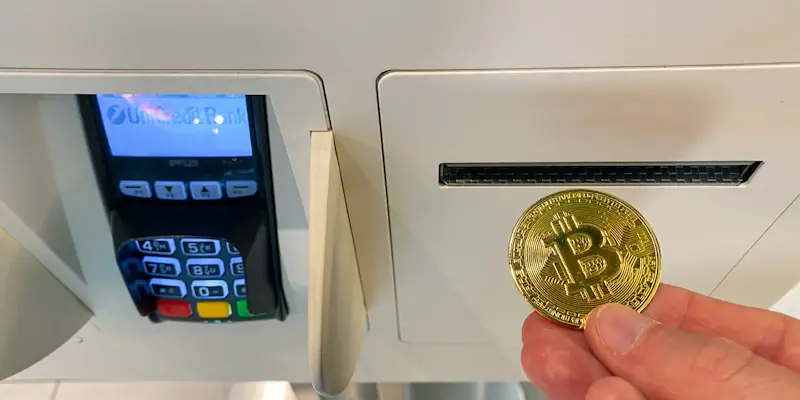
Binance, a leading cryptocurrency exchange, has recently partnered with Worldpay, a global payment technology provider, in a strategic move to enable users to purchase digital assets using Apple Pay and Google Pay. This integration embeds these widely-used payment methods directly into the Binance mobile app and website, allowing customers to buy cryptocurrencies seamlessly using debit or credit cards linked to their Apple Pay and Google Pay wallets.This initiative is part of Binance’s broader effort to enhance its fiat onramp capabilities, facilitating the conversion of traditional currency into cryptocurrency with greater ease.
Streamlining the Purchase Process for Digital Currencies
One of the most significant aspects of this new integration is the simplification of the process for purchasing digital currencies. By incorporating well-known and trusted payment options, Binance aims to reduce the entry barriers and decrease transaction friction, thus making the world of cryptocurrency more accessible to a wider audience. Users are no longer required to manually input their card details or even create new accounts, as the familiar interfaces of Apple Pay and Google Pay offer a streamlined user experience that aligns with daily payment habits, whether for shopping, subscriptions, or transportation.
This move is especially relevant for individuals who are unbanked or underbanked, as well as those residing in regions with limited or non-existent financial infrastructure. The Vice President of Fiat at Binance, Thomas Gregory, emphasized the importance of Worldpay’s extensive global reach in supporting the company’s plans to target regions with high mobile phone adoption but limited access to traditional banking services.Binance’s recent efforts also include the introduction of 18 new fiat channels, which encompass bank transfers, local card networks, mobile wallets, and region-specific payment providers, catering to both individual users and businesses alike.
Expanding Global Reach with Local Convenience
Binance’s commitment to expanding its global reach is evident through its integration of over 1,000 payment methods and support for 125 fiat currencies. By offering services in more than 20 new countries, including several African nations with limited banking facilities, Binance underscores its mission to make cryptocurrency easily accessible to a diverse global audience.The success of these initiatives can be seen in the high level of user engagement, with over 60% of Binance’s users participating in repeat transactions through its Fiat and P2P services, indicating that users find value and trust in the platform.
Binance’s push towards community engagement is further highlighted by its new community voting system for token delisting. This platform allows community members to have a say in the decision-making process, though it is worth noting that Pi Network did not qualify in the latest round of votes. Nonetheless, the combination of integrating Apple Pay and Google Pay and the continued emphasis on community participation demonstrates Binance’s commitment to simplifying access to financial services and expanding its user base.
Driving Inclusion and Accessibility in the Crypto Space
The integration of Apple Pay and Google Pay into the Binance platform is a strategic maneuver that aligns with broader trends in the fintech and cryptocurrency sectors, which prioritize ease of access, enhanced user experience, and inclusivity. By leveraging these universally recognized payment methods, Binance is positioning itself to make cryptocurrency not only more user-friendly but also more approachable to populations that have traditionally faced challenges in accessing financial services.Such efforts contribute to the company’s overarching mission to democratize access to cryptocurrency and provide financial services to underserved communities.
Looking forward, Binance’s partnership with Worldpay and the integration of widely-used payment methods like Apple Pay and Google Pay portend a bright future for the platform’s growth and user base expansion. By focusing on regions with limited traditional financial services and continuing to innovate with user-centric solutions, Binance is well-positioned to lead the charge in making cryptocurrency part of everyday financial transactions for an even broader audience.
Conclusion
Binance, a prominent cryptocurrency exchange, has recently collaborated with Worldpay, a global leader in payment technology. This strategic partnership aims to enable users to purchase digital assets using popular payment methods, Apple Pay and Google Pay.By integrating these widely-used methods directly into the Binance mobile app and website, users can now buy cryptocurrencies effortlessly using debit or credit cards linked to their Apple Pay and Google Pay wallets. This initiative is a significant part of Binance’s ongoing efforts to enhance its fiat onramp capabilities, making it simpler for customers to convert traditional currency into cryptocurrency.With this new feature, Binance aims to streamline the purchasing process, ensuring that more people have access to cryptocurrency investment opportunities. The ease of use and convenience offered by Apple Pay and Google Pay are expected to attract more users to Binance, bolstering its position as a leading platform in the cryptocurrency market.