

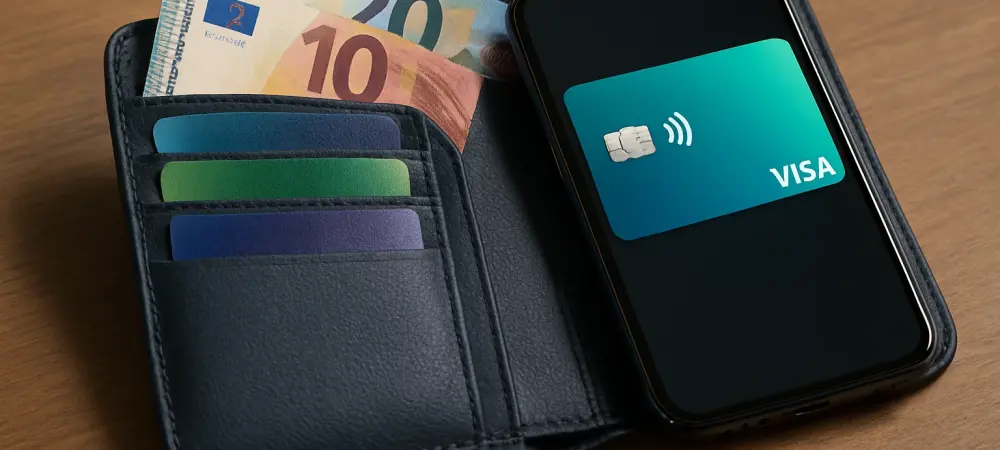
In a rapidly evolving financial landscape, digital payment solutions are transforming how Europeans manage transactions, and a groundbreaking initiative is taking center stage with the involvement of key Belgian institutions. Five prominent banks from Belgium—Argenta, Bank Van Breda, Beobank, Crelan, and vdk bank—have aligned with the European Payments Initiative (EPI) to champion Wero, an innovative digital wallet and instant account-to-account (A2A) payment system. This strategic collaboration aims to extend Wero’s footprint across the continent, promising a secure, seamless, and unified payment experience for millions. As digital adoption accelerates, this partnership positions Belgium at the forefront of financial innovation, paving the way for a more integrated payment network within the Eurozone. The move not only highlights a commitment to customer convenience but also signals a broader shift toward cohesive, technology-driven financial solutions in the region.
Expanding Digital Payment Horizons
Strengthening European Financial Unity
The alliance between these Belgian banks and EPI marks a pivotal moment in the quest for a unified digital payment framework across Europe. With a rollout planned for the first half of 2026, Wero is set to redefine everyday transactions by offering instant A2A payments that prioritize speed and security. This initiative builds on the momentum of EPI’s growing membership, which recently welcomed a prominent neobank and several Luxembourgish banks, reflecting a collective push to challenge existing payment systems. The strategic importance of this expansion lies in its potential to create a robust, inclusive network that caters to diverse user needs. By integrating Wero, these Belgian institutions are not just enhancing their service offerings but also contributing to a larger vision of financial connectivity. The emphasis on local presence and strong customer relationships, as highlighted by EPI’s leadership, ensures that trust remains a cornerstone of this digital transformation, fostering widespread acceptance across communities.
Driving Innovation Through Collaboration
A key aspect of this partnership is the shared commitment to innovation that each bank brings to the table, tailored to enhance user experience. Representatives from the participating institutions have voiced enthusiasm for Wero’s alignment with their customer-centric goals. For instance, simplicity and accessibility stand out as core values, with the technology designed to integrate seamlessly into daily life. This collaboration also reflects a response to the surging demand for digital solutions, as evidenced by significant growth in mobile banking app usage over recent years. The diversity in implementation—whether through existing banking apps or as a standalone option—demonstrates flexibility in addressing varied preferences. Beyond individual bank strategies, the collective effort underscores a unified aim to empower users with fast, intuitive payment tools. As Wero gains traction, its ability to adapt to local markets while maintaining a European focus will be crucial in shaping the future of digital transactions.
Wero’s Vision for a Seamless Payment Ecosystem
Building a Robust User Base and Functionality
Since its initial launch, Wero has already made significant strides, amassing over 40 million registered users for person-to-person transactions in key markets like Belgium, France, and Germany. This impressive user base serves as a testament to the platform’s appeal and reliability, setting a strong foundation for further expansion. Looking ahead, EPI has outlined an ambitious roadmap to enhance Wero’s capabilities, with plans to introduce e-commerce payment options later this year, followed by in-store payments, subscription management, and loyalty services by 2026. Such phased enhancements aim to create a comprehensive payment ecosystem that addresses a wide array of financial interactions. The focus on scalability ensures that Wero remains relevant amid evolving consumer behaviors, while its security features provide reassurance in an era of increasing digital threats. This strategic growth trajectory positions Wero as a potential leader in the Eurozone’s digital payment landscape.
Enhancing Accessibility and Local Engagement
Accessibility remains a cornerstone of Wero’s design, with most Belgian banks opting to integrate the solution directly into their existing mobile applications for a streamlined user experience. This approach allows customers to effortlessly conduct transactions—ranging from peer-to-peer transfers to online shopping—without navigating multiple platforms. Meanwhile, offering Wero as a standalone app in certain cases provides an alternative for those who prefer independent access, ensuring inclusivity across user demographics. Beyond technical integration, the initiative emphasizes local engagement, recognizing that trust and familiarity are vital for adoption. By leveraging the close-knit relationships these banks maintain with their communities, Wero is poised to resonate with both personal and professional users. This dual focus on technological convenience and cultural relevance highlights a thoughtful strategy to embed Wero into everyday financial routines, ultimately driving its acceptance on a broader scale.
Reflecting on a Transformative Partnership
A Milestone in Digital Payment Evolution
Looking back, the collaboration between five leading Belgian banks and the European Payments Initiative marked a significant chapter in the evolution of digital payments. Their decision to champion Wero reflected a forward-thinking approach, blending cutting-edge technology with a deep understanding of customer needs. The partnership not only amplified Belgium’s role in financial innovation but also strengthened the foundation for a more connected European payment network. Each institution contributed unique strengths, from a focus on simplicity to an emphasis on rapid digital adoption, creating a cohesive yet diverse implementation strategy. The initial success, evidenced by millions of early users, validated the potential of Wero to transform daily transactions. As the initiative gained momentum, it became clear that this alliance set a precedent for how localized efforts could contribute to a continental vision of seamless, secure financial interactions.
Charting the Path Forward for Wero
Reflecting on past achievements, the journey of Wero underscored the importance of adaptability and community trust in digital payment adoption. Moving forward, stakeholders must continue to prioritize user education and robust security measures to sustain growth. Expanding Wero’s functionalities to encompass a wider range of services—from in-store payments to loyalty programs—will be essential in meeting diverse consumer expectations. Additionally, fostering partnerships with more financial institutions across Europe could accelerate its reach, ensuring that the benefits of instant, secure transactions are accessible to all. Engaging local markets through tailored solutions will remain a critical factor in building long-term acceptance. As the digital payment landscape evolves, the lessons from this Belgian collaboration offer valuable insights into balancing innovation with practicality, paving the way for Wero to redefine financial convenience across the Eurozone.