

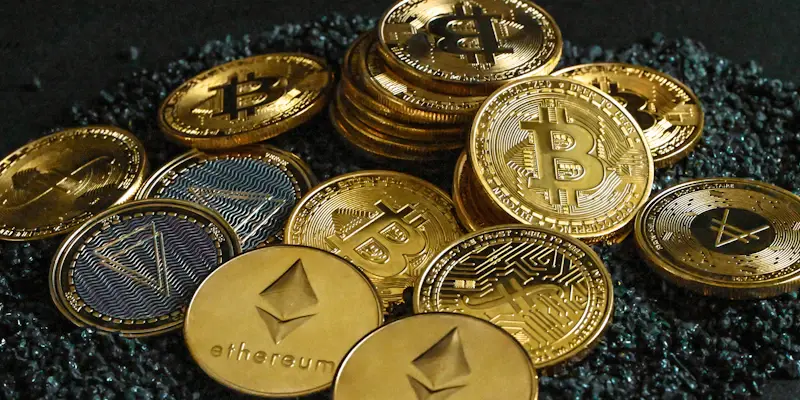
The cryptocurrency market has undergone significant transformations since its inception. What began with Bitcoin as the pioneer primarily valued for its rarity has now evolved to include a diverse range of digital assets. Of particular interest are utility-driven tokens that prioritize functionality and tangible benefits over sheer popularity. This article delves into the rise of such tokens, examining their potential to shape the future of the crypto landscape.
Historical Context and Evolution
Initially, the cryptocurrency market witnessed the proliferation of meme-based tokens like Dogecoin (DOGE). Created as a joke, DOGE quickly gained a massive following thanks to its community and influential endorsements. The success of these meme tokens underscored the power of communal support and the critical role of market timing in the crypto sector. Their popularity demonstrated how community enthusiasm and hype could propel even the most unconventional digital assets into mainstream success. However, the focus has gradually shifted. Investors and developers are now gravitating towards tokens that boast real-world applications and inherent utility. This transition marks a significant maturation of the market, where tangible benefits are given precedence over transient popularity. The emphasis is now on creating sustainable ecosystems that provide functional value, signaling a departure from the speculative frenzy that characterized early cryptocurrency trends. This shift aligns with the growing demand for blockchain technology to offer solutions that extend beyond financial speculation.
Rise of Utility-Driven Tokens
Utility-driven tokens are emerging as the new frontier in the cryptocurrency space. One standout example is Mutuum Finance (MUTM). Unlike its meme-based predecessors, MUTM is designed to create a sustainable ecosystem within the decentralized finance (DeFi) sector. The emphasis on functionality and practical applications places such tokens at the forefront of the crypto revolution. By prioritizing real-world use cases, these tokens aim to become integral components in various financial and technological systems, enhancing their long-term viability and adoption.
Mutuum Finance offers innovative mechanisms for lending and borrowing, allowing users to deposit assets into liquidity pools and earn interest. This model provides borrowers with the flexibility to leverage their assets without the necessity of selling them. Additionally, the platform enables users to generate passive income, adding further value to the ecosystem. By facilitating these financial activities, utility-driven tokens like MUTM can integrate more seamlessly into daily financial operations, reducing the gap between traditional banking systems and decentralized finance.
Sustainable Tokenomics and Mechanisms
A key component of utility-driven tokens like MUTM is their sustainable tokenomics. Mutuum Finance employs a buy-and-redistribute model, where part of the protocol’s earnings is used to purchase MUTM tokens from the market. These tokens are then distributed to holders of mtTokens. This mechanism not only rewards participants but also ensures continuous market demand, fostering long-term growth. Such a model addresses common issues in the crypto market, such as volatility and lack of intrinsic value, by establishing a consistent cycle of demand and reward.
Mutuum Finance also plans to introduce an overcollateralized stablecoin pegged to the U.S. dollar. This development aims to enhance liquidity within the ecosystem and offer additional lending options. By ensuring the stablecoin is overcollateralized, the platform minimizes risk and provides a more secure alternative to traditional volatile cryptocurrencies. Such forward-thinking approaches underscore the functional focus of utility-driven tokens, ensuring they can offer practical solutions while maintaining stability in their ecosystems. This combination of innovation and pragmatism could pave the way for mainstream acceptance of utility tokens.
Market Position and Future Potential
The cryptocurrency market has experienced significant changes since its early days. Initially, Bitcoin led the way, treasured for its scarcity and pioneering role. Today, however, the landscape has broadened dramatically to include a wide variety of digital assets. In particular, utility-driven tokens have gained attention, focusing on practical uses and real-world benefits rather than just their popularity or potential for financial gain. This shift highlights the growing importance of functionality and value in the world of digital currencies. Such tokens are not merely speculative instruments; they offer practical solutions and applications that can genuinely transform industries and everyday transactions. This article explores the emergence of these utility tokens, analyzing their unique attributes and potential to influence the future trajectory of the crypto market. By examining their functionality, we can better understand how these digital assets may redefine various sectors, offering new opportunities and efficiencies in the ever-evolving cryptocurrency space.