

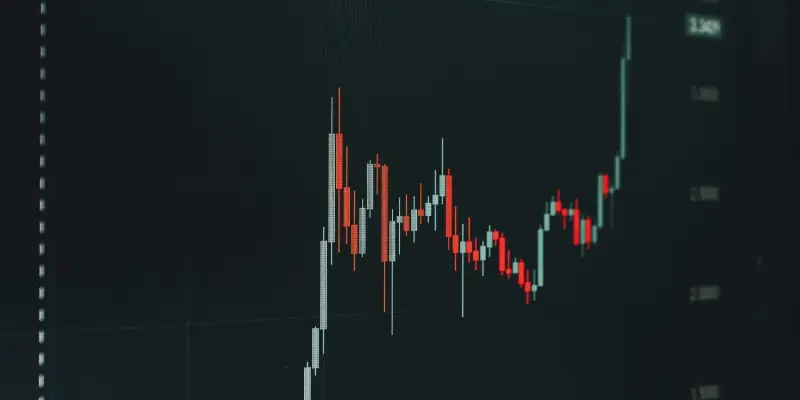
Digital currency market volatility has become a focal point of interest, particularly regarding XRP, which has garnered attention due to its distinct trading behaviors. Observations from within the community suggest that a staggering 75% of XRP trades may be conducted by automated systems rather than individuals. This leads to increased skepticism surrounding the traditional methods of technical analysis, which traders commonly use to guide their strategies. High-frequency trading, coupled with tactics like arbitrage and spoofing, potentially distorts market signals, further complicating traders’ ability to interpret genuine market movements. XRP’s liquidity and volatility make it a prime target for these algorithmic strategies, raising important questions about the authentic influences shaping its price and market behavior.
The Role of Bots in Cryptocurrency Trading
Emergence and Impact of Automated Trading Systems
Automated trading systems, often referred to as bots, have revolutionized the trading landscape, especially in cryptocurrency markets. Their ability to execute trades at lightning speed makes them ideal for capitalizing on the high volatility seen in assets like XRP. These systems are designed to perform complex strategies such as arbitrage and high-frequency trading, often engaging in practices like spoofing or wash trading, which can skew market pricing and volume data. The prevalence of bots has led to significant shifts in trading patterns, raising concerns about fairness and transparency in the market. As these bots execute trades, they can contribute to inflated or erratic price movements, inadvertently affecting human traders who rely on technical chart analysis. This automated approach to trading introduces complexities that individual investors and regulatory bodies struggle to address adequately.
Manipulation Concerns and Regulatory Challenges
The impact of bots in the cryptocurrency market has not escaped scrutiny, particularly in instances of alleged market manipulation. One such significant event was the Operation Token Mirrors case, in which bot activities led to artificially inflated trade volumes on NexFundAI, resulting in substantial losses for investors. This situation underscores the challenges faced by regulatory bodies, including the SEC and FBI, in keeping pace with the rapid evolution and decentralized nature of these trading practices. The difficulty in monitoring and controlling the influence of such algorithmic trading highlights a need for enhanced oversight and advanced regulatory mechanisms. Despite technological advancements, the decentralized characteristics of these practices pose ongoing challenges to maintaining market integrity. As regulators endeavor to adapt, the unpredictability introduced by bot activity continues to be a pressing concern, necessitating a careful examination of current regulatory frameworks and their ability to mitigate such risks.
Navigating the Bot-Driven Market
Exploring Fundamental and Regulatory Insights
Given the dominance of bots in XRP trading and the subsequent impacts on the reliability of technical analysis, experts advocate a shift in focus toward fundamental developments and regulatory changes. These elements may offer more accurate and insightful indicators for market activities and potential investment opportunities. The financial landscape indicates that while technical analysis remains prevalent, investors might benefit from a broader approach, considering macroeconomic influences and legal developments affecting digital assets like XRP. As regulators increasingly scrutinize algorithmic trading and attempt to enforce more stringent operational standards, understanding these broader factors could prove invaluable for investors seeking to navigate a bot-driven market. Ultimately, balancing technical considerations alongside economic and regulatory trends could offer a more comprehensive view of the cryptocurrency market dynamics, allowing for better-informed investment decisions.
Advancing Decentralized Exchange to Enhance Transparency
In response to the challenges posed by bot-dominated trading environments, decentralized platforms like the XRP Ledger’s DEX are gaining traction as viable solutions. Advocates including Vincent Van Code emphasize the benefits of transparency achieved through on-chain data, alongside adaptive fee structures designed to mitigate the impacts of high-frequency trading. For XRP Ledger’s DEX to become a practical alternative for traders seeking greater control over their investments, enhancements such as fiat on-ramps and improved user interfaces are crucial. These upgrades can foster a more accessible and empowering environment for users, potentially shifting the trading paradigm from centralized exchanges to more decentralized, user-centric models. As developments continue, increased user awareness and adoption of such platforms could lead to a more equitable trading ecosystem, with traders gaining more autonomy over their financial activities and decisions.
Considerations Moving Forward
The influence of bots within the cryptocurrency market has been a subject of considerable analysis, especially where market manipulation is suspected. One notable incident was Operation Token Mirrors, where bot actions led to falsely inflated trade volumes on NexFundAI, causing significant financial setbacks for investors. This scenario highlights the complexities faced by regulatory entities like the SEC and FBI in navigating the fast-paced and decentralized nature of these trading activities. The challenge of tracking and regulating such algorithmic trades indicates a pressing need for improved supervision and sophisticated regulatory tools. Despite advances in technology, the innate decentralization of these practices continues to present obstacles to safeguarding market integrity. As regulators strive to keep up, the chaos introduced by bot operations remains an urgent matter, requiring a thorough re-evaluation of existing regulations to effectively address and reduce associated risks.