Talent-Management
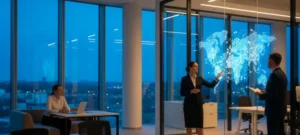
The traditional era of the human handshake is rapidly being replaced by a digital handshake as complex algorithms migrate from the server room directly into the corner office of the executive suite. Once a tool for simple automation, Artificial Intelligence has evolved into a managerial authority, reshaping the power dynamics, psychological contracts, and economic structures of the modern workplace. This