

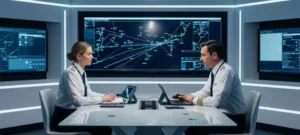
The Evolution of Regional Aviation Safety
Modern aviation safety depends as much on human psychology and communication as it does on mechanical reliability or technical skill. Centrum Air, also known as LLC My Freighter, has recently taken a monumental leap by establishing its own specialized train-the-trainer Crew Resource Management (CRM) program through a partnership with Acron Aviation. This initiative represents a departure from traditional outsourcing, transforming the carrier into the first airline in its region to possess the internal capacity to train flight crews in Human Factors.
By internalizing these critical educational functions, the airline is not just teaching pilots how to fly; it is building a foundational safety culture that permeates every level of the organization. This strategic move ensures that training is tailored to the specific operational environment of the carrier rather than relying on generic third-party modules. Readers can expect to learn how this shift impacts regulatory compliance, long-term cost management, and the overall professional standard of the regional aviation sector.
Key Questions Regarding the CRM Transition
Why Is In-House Training Crucial for Modern Airlines?
Operational independence is a significant competitive advantage in the high-stakes world of commercial aviation. When an airline relies on external vendors for CRM training, it often faces scheduling bottlenecks and a lack of customization that can dilute the effectiveness of safety protocols. By developing a dedicated internal team, Centrum Air can now provide continuous, hands-on workshops that address the unique challenges of their specific routes and fleet, ensuring that instructors are fully aligned with the company’s internal safety values.
Moreover, this autonomy fosters a sustainable environment where senior pilots and instructors pass down institutional knowledge directly to new recruits. This cycle of internal growth upskills the workforce more effectively than sporadic external courses. It also provides the airline with the flexibility to adapt its curriculum instantly as new safety data or operational requirements emerge, keeping the crew at the forefront of aviation excellence.
How Does This Partnership Support International Expansion?
The path toward global recognition requires meeting the most stringent regulatory benchmarks, particularly those set by the European Union Aviation Safety Agency (EASA). For Centrum Air, obtaining EASA approval is a cornerstone of its expansion strategy, and a verifiable CRM framework is a non-negotiable requirement for this accreditation. This program, built with Acron Aviation’s expertise, ensures that the airline’s internal curriculum meets international standards, effectively paving the way for broader operations.
In addition to regulatory alignment, the long-term agreement signed in 2025 provides pilots with access to Level D Full Flight Simulators in major hubs like Bangkok and London. This combination of high-tech simulation and robust internal classroom instruction creates a comprehensive training ecosystem. As the airline moves toward 2027 and beyond, these established systems will be the primary drivers for entering new markets and maintaining a reputation for world-class safety.
What Are the Economic Benefits of Internalizing Safety Programs?
While the initial investment in courseware and trainer development is substantial, the long-term financial implications are highly favorable. By eliminating the recurring fees associated with external training providers, the airline can significantly reduce its operational overhead over time. These savings are then reinvested into further technological upgrades or fleet expansion, creating a more resilient business model that can withstand the economic fluctuations typical of the aviation industry.
Furthermore, internalizing these capabilities reduces the logistical costs associated with sending crews abroad for theoretical training. Streamlining these processes leads to better crew utilization and less downtime, which directly impacts the bottom line. Executives have noted that the efficiency gained from this model serves as a blueprint for other emerging airlines looking to balance rapid commercial growth with uncompromising safety standards.
Summary of Strategic Milestones
The collaboration between Acron Aviation and Centrum Air succeeded in shifting the airline from a dependent entity to a regional leader in training autonomy. The implementation of specialized courseware and the empowerment of internal instructors have created a self-sufficient department capable of maintaining rigorous safety protocols. This transition was essential for streamlining costs and ensuring that the airline remained agile in a competitive market.
This framework also positioned the carrier to meet the heavy demands of international aviation authorities. By securing the tools necessary for EASA compliance and utilizing advanced flight simulators, the organization reinforced its commitment to professional development. The program served as a clear indicator that the airline was prepared for a new era of growth and operational sophistication.
Final Thoughts on Future Readiness
Looking forward, the success of this in-house model suggested that other regional carriers should evaluate their own dependencies on external training providers. Moving toward a self-sustaining educational structure allowed for a more nuanced approach to human factors and crew coordination. Stakeholders should consider how investing in internal human capital today can mitigate the risks of regulatory hurdles and rising operational costs in the future.
As the industry continues to advance, the ability to rapidly update safety training without external permission will become a primary differentiator for successful airlines. The path taken by Centrum Air provided a roadmap for how emerging players could build world-class departments from the ground up. Embracing this level of organizational maturity was the definitive step toward long-term stability and international prestige.