

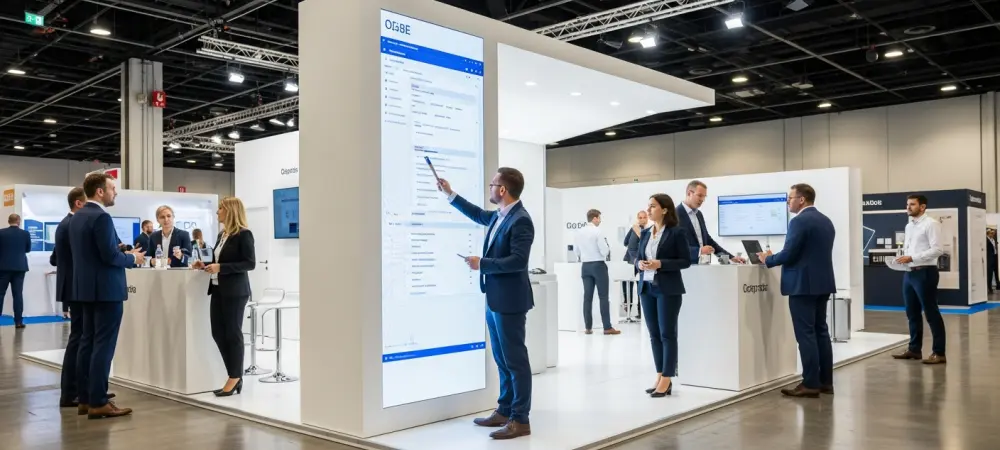
Walking onto a convention floor in Barcelona or Lisbon today feels like entering a multisensory battleground where billion-dollar brands compete for just a few seconds of fleeting attention from distracted decision-makers. In an industry where the annual calendar is punctuated by massive exhibitions, the traditional marketing playbook has reached a point of diminishing returns. Companies frequently pour substantial percentages of their yearly budgets into three-day sprints, hoping that a flashy display will somehow translate into long-term commercial dominance. However, the reality of the modern business-to-business landscape is that physical presence alone no longer guarantees relevance. The true winners in the iGaming space are those who recognize that an event is not an isolated occurrence but a single chapter in a much larger narrative driven by integrated media.
The logic of the “bigger is better” booth has finally collided with the practical limits of human attention. While the scale of these events continues to expand, the window for meaningful connection remains frustratingly narrow. For many executives, the trade show floor has become a place of visual saturation where messages are blurred into a single, indistinguishable hum. This shift necessitates a complete overhaul of how brands approach their exhibition strategies, moving away from reactive presence toward proactive engagement.
The High Stakes: Shouting into the Void at iGaming Summits
The trade show floor presents a fascinating paradox where massive investments often lead to surprisingly minimal engagement. As booths grow larger and digital displays become more blinding, the ability of any single brand to cut through the cacophony decreases. When every vendor on the floor is competing for the same limited pool of operators and partners, the result is often a deafening wall of sound that decision-makers eventually tune out. Relying on a “shouting match” strategy creates a high-stakes environment where a brand’s entire quarterly success hinges on a few hours of chance encounters and brief hallway conversations.
Moving beyond the all-or-nothing mentality of three-day exhibition sprints requires a fundamental change in perspective. Many organizations suffer from a tunnel-vision approach, treating the event as the start and end of their marketing efforts. Relationship-building occurs long before the badges are printed and continues long after the carpets are rolled up. When a brand only speaks during the noise of a summit, it effectively chooses to compete at the most difficult and expensive time possible.
The high cost of silence during the rest of the year becomes painfully evident at major gatherings like ICE or the SBC Summit. Brands that have not maintained a consistent presence in the digital consciousness of their peers find themselves starting from scratch at the very moment they should be closing deals. This lack of continuity means that every minute spent at a booth is wasted on basic introductions rather than strategic negotiations. Without a preceding media strategy, the booth becomes little more than an expensive information desk in a very crowded room.
Why the Traditional Event-Only Model Fails Modern B2B Brands
Recent data from the SBC Media Marketing Buyers Report highlights a significant imbalance in the iGaming sector, where event spending continues to dominate marketing budgets. While the industry remains deeply rooted in face-to-face networking, the reliance on a standalone physical presence has become a precarious strategy. In a world where digital research precedes almost every major purchase, appearing only at a conference is akin to entering a race after the finish line has been crossed. The report suggests that while physical events are vital for closing, they are increasingly ineffective as the sole tool for brand discovery.
The critique of the “standalone vacuum” model rests on the fact that modern decision-makers are more informed and less susceptible to traditional sales pitches. A marketing strategy that exists only within the vacuum of an exhibition hall fails to acknowledge the complex, multi-touchpoint journey that defines B2B procurement today. Relying exclusively on trade shows means a company is absent from the digital platforms where its prospective clients spend the other three hundred and sixty-two days of the year. This absence erodes trust and makes the eventual physical meeting feel cold and transactional.
Furthermore, the wall between digital media and physical networking has completely crumbled. In a relationship-driven industry like iGaming, the most successful firms use media to facilitate networking rather than replace it. Digital engagement serves as the social proof that validates a company’s claims before they are ever voiced at a booth. When the digital and physical realms are disconnected, the brand message loses its cohesion, leading to a fragmented identity that confuses the market rather than compelling it.
Transitioning from Event Sprints: A Content-Driven Marketing Lifecycle
The most significant advantage in the modern market is pre-education. Ensuring that prospects already understand the core value proposition of a product before the first meeting at a conference drastically improves the efficiency of the sales team. This “pre-warming” of the audience transforms the nature of event interactions from introductory pitches to deep-dive commercial discussions. Instead of explaining who they are, sales representatives can spend their time explaining how they can solve the specific problems of the operator sitting across from them. Leveraging independent media and value-based content is the primary mechanism for pre-qualifying leads and shortening the sales cycle. By publishing research, participating in digital panels, and contributing to industry-leading news platforms, a brand establishes a footprint of expertise. This content acts as a silent salesperson that works around the clock to educate the market. When a potential client eventually visits the booth, they are not there to browse; they are there because they have already been convinced of the vendor’s authority through months of consistent, high-quality media exposure.
The strategic use of news platforms and digital research allows a company to sow the seeds of expertise long before the conference doors open. This lifecycle approach ensures that the brand narrative is controlled and consistent across all channels. Digital webinars and white papers provide the data-driven foundation that makes a physical presentation much more persuasive. By the time a summit begins, the brand has already established itself as a thought leader, making its presence at the event a culmination of a successful campaign rather than the desperate beginning of one.
The Fintech Framework: Leveraging Expertise to Establish Market Authority
A highly effective methodology can be borrowed from the financial services sector, which utilizes a three-step hierarchy to drive conversion. This framework begins with macro-understanding, where the brand demonstrates a deep grasp of systemic industry issues. Once authority is established at the industry level, the strategy moves to solution alignment, where the specific product is positioned as the logical answer to those macro-challenges. Only after these two stages are complete does the focus shift to commercial finalization. Applying this to iGaming ensures that the sales process is rooted in logic and expertise rather than just persistence.
A practical example of this authority-building can be seen in the sector of Responsible Gambling. A technology provider that simply lists the features of its player protection software at a trade show is viewed as a commodity vendor. In contrast, a company that spends months releasing independent research on player behavior and participating in regulatory debates becomes a sought-after consultant. This transition from vendor to consultant is the ultimate goal of integrated marketing. It moves the conversation away from price and toward the strategic value of solving a major regulatory pain point.
This approach relies on the power of authoritative listening, where the brand uses its media presence to address the specific anxieties of the market. By focusing on the challenges that operators face—such as compliance, retention, or localization—a provider creates a magnet for high-level decision-makers. The conversation shifts from a product pitch to a strategic dialogue about industry health and operational efficiency. This level of engagement is only possible when a brand has spent the necessary time building a reputation for insight through a continuous media presence.
Strategic Frameworks: Maximizing Post-Show ROI and Conversion
The final piece of the puzzle involves replacing generic follow-up tactics with bespoke commercial roadmaps tailored to the specific goals of the client. The “great meeting you” email has become a relic of a less competitive era. Today, the post-event phase must be as data-driven and personalized as the pre-show phase. By providing a clear, strategic path forward that reflects the nuances discussed during the summit, a brand proves that it was listening, not just waiting for its turn to speak. Amplifying event takeaways through post-show activities is essential for maintaining momentum. The creation of “Market Discovery Reports” or co-authored thought leadership pieces helps to crystallize the value of the meetings that took place. These assets serve as a reminder of the brand’s expertise and provide the client with a tangible piece of value that they can share with their own internal stakeholders. This process ensures that the energy of the event is captured and transformed into long-term commercial interest rather than being allowed to dissipate.
Maintaining top-of-mind authority required the integration of sales, marketing, and executive efforts into a continuous media ecosystem. It was no longer enough to simply attend the major summits; the industry shifted toward a model where events served as the punctuation marks in a year-long sentence of engagement. The successful firms adopted a strategy that prioritized constant visibility over sporadic bursts of noise. This evolution in B2B marketing provided a clear roadmap for organizations that sought to maximize their investments and build partnerships that lasted well beyond the final day of the exhibition floor. By focusing on the entire lifecycle of the client relationship, the most forward-thinking brands secured their positions as the indispensable leaders of the next generation of iGaming.