

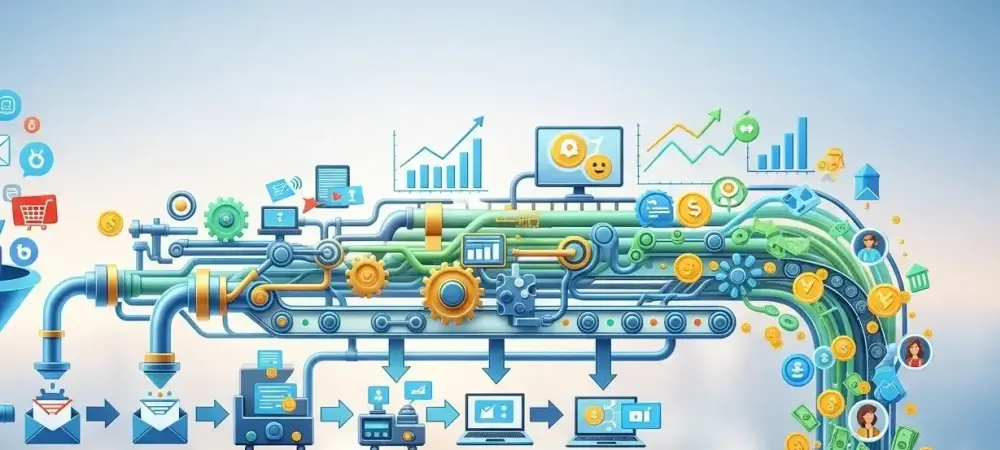
Successful organizations no longer rely on sporadic manual efforts to capture attention but instead deploy sophisticated algorithmic systems that anticipate consumer needs before they are even articulated. The evolution of marketing has moved rapidly from simple batch-and-blast emails to intricate, data-driven frameworks that facilitate scalable growth without sacrificing the personal touch. In a competitive landscape where speed and relevance dictate market share, these systems allow brands to remain present throughout the entire buyer journey.
The current standard for business excellence involves moving beyond basic automation toward intelligent, reactive sequences. These high-impact workflows, which range from initial lead nurturing to strategic revenue recovery, serve as the backbone of modern operations. By focusing on sequences that prioritize the user experience, companies can ensure that every interaction adds value rather than noise, fostering a relationship built on consistency and precision.
Beyond the Buzzword: Why Intelligent Automation is the New Standard for Business Growth
Modern commerce demands a level of agility that human teams cannot maintain manually. As data becomes the primary currency of the digital age, automated systems have transitioned from luxury tools to essential infrastructure. These systems allow businesses to process vast amounts of behavioral information, ensuring that every outreach effort is backed by evidence rather than intuition. This shift has enabled even small enterprises to compete on a global scale by maintaining a constant, relevant presence.
The ability to capture market share now hinges on the synchronization of timing and content. If a brand fails to respond to a prospect’s interest within minutes, the opportunity often evaporates. Therefore, automation serves as a critical competitive advantage, providing the speed necessary to engage users at the peak of their intent. This efficiency does not just save time; it creates a seamless environment where the customer feels understood and prioritized at every touchpoint.
Dissecting the Frameworks of High-Performing Automated Sequences
Building Instant Rapport Through Dynamic Welcome and Onboarding Journeys
An immediate automated welcome sequence is the first opportunity to establish brand authority and set the tone for a long-term relationship. When a user subscribes or signs up, the initial communication serves as a digital handshake that confirms their decision was correct. High engagement rates for these sequences illustrate that consumers are most receptive to brand messaging immediately after an initial interaction, making this the most fertile ground for building trust.
However, the challenge lies in maintaining a human element within these automated workflows to avoid appearing overly transactional. Sophisticated brands use this phase to share values and educational content rather than focusing solely on sales. By providing immediate utility and a clear path forward, onboarding journeys reduce friction and ensure that new users understand the full value of the service or product from the very beginning.
Maximizing Revenue Recovery via Strategic Abandoned Cart and Re-engagement Triggers
Lost revenue often stems from simple distractions or minor hesitations during the checkout process. Behavioral triggers designed to detect abandoned carts act as a gentle nudge, bringing prospects back into the sales funnel with personalized reminders. In industries like e-commerce and SaaS, the timing of these messages is crucial; a well-timed notification can recover a significant percentage of otherwise lost sales by addressing specific concerns or offering a simple path back to the cart.
While incentives can be effective, there is a growing risk of discount fatigue where customers intentionally wait for a price drop. To counter this, effective workflows focus on the value proposition and social proof rather than just lowering the price. Re-engagement triggers for inactive users work similarly by identifying when a customer has become disengaged and providing them with relevant content or updates that remind them of the brand’s ongoing relevance to their needs.
Bridging the Gap: How Lead Scoring and Sales-Ready Triggers Align Internal Teams
Lead scoring models represent the pinnacle of internal alignment by automatically identifying which prospects are ready for a direct sales conversation. By assigning values based on website behavior, email interactions, and demographic data, marketing teams can ensure they only pass high-quality leads to their sales counterparts. This systematic approach eliminates the friction often found between departments and ensures that resources are allocated toward the most promising opportunities.
This precision challenges the traditional assumption that a high volume of leads is always the best outcome. Instead, automated filtering prioritizes quality, reducing the time sales representatives spend on cold or uninterested prospects. When a lead reaches a specific threshold, triggers notify the sales team in real time, allowing them to strike while the interest is highest. This leads to higher conversion rates and a more efficient use of human capital within the organization.
The Shift Toward Hyper-Personalization: Leveraging Behavioral Data for Real-Time Interaction
Generic email blasts have been replaced by sophisticated interactions that adapt to unique user movements across multiple platforms. AI-driven predictive modeling now allows brands to anticipate what a customer might need next based on their past actions, moving the conversation toward true hyper-personalization. This disruption of the traditional linear funnel creates a more fluid experience where the brand responds to the consumer, rather than forcing the consumer through a rigid path.
Different industries tailor this logic to meet specific expectations; for instance, B2B workflows might focus on long-term educational cycles, while retail sequences prioritize immediate behavioral triggers. Regardless of the sector, the goal remains the same: to make the user feel like the communication was crafted specifically for them. This level of detail fosters a sense of loyalty that is difficult for competitors to break, as the brand becomes an integrated part of the consumer’s daily habits.
Blueprint for Success: Best Practices for Implementing and Refining Scalable Workflows
Establishing a successful automation strategy required a focus on the synergy between lead nurturing and the broader customer lifecycle. Organizations that achieved the best results prioritized clean data and established clear conversion goals before launching any sequence. By viewing these workflows as living assets that required regular refinement, businesses ensured that their messaging remained fresh and aligned with changing market conditions.
Actionable recommendations included setting up fundamental sequences first—such as welcome and recovery triggers—before moving into more complex behavioral modeling. Maintaining a checklist of best practices, such as A/B testing subject lines and auditing link functionality, prevented these automated efforts from becoming stagnant. The most effective strategies remained flexible, allowing for quick adjustments as new data revealed shifts in how consumers interacted with the brand.
Future-Proofing Your Strategy: The Lasting Impact of Data-Driven Automation
The integration of advanced automation functioned as a vital bridge between operational efficiency and the creation of individualized customer experiences. Brands that thrived recognized that technology was not a replacement for human connection but a tool to enhance it. This approach allowed companies to remain agile in a shifting environment, ensuring that their outreach stayed relevant even as consumer behaviors evolved. The most successful strategies relied on the principle that automation should simplify the user’s life while providing measurable value to the business. By focusing on data-driven insights, organizations turned every touchpoint into an opportunity for growth. Moving forward, the emphasis shifted toward maintaining the integrity of these connections, proving that the future belonged to those who could balance technological power with a genuine understanding of the human journey.