

Modern buyers navigate a digital landscape so saturated with information that the traditional static whitepaper has effectively become a digital paperweight rather than a conversion tool. In this high-velocity market, the shift from passive consumption toward active participation defines the current experience-driven era. Brands now compete for finite attention spans by utilizing dynamic, platform-native formats that prioritize engagement over simple visibility. This analysis explores the transition from high-volume production to high-value interaction, examining the rise of short-form video and the sophisticated distribution models defining today’s buyer engagement.
The Evolution of B2B Content Consumption
Market Adoption: The Decline of Static Assets
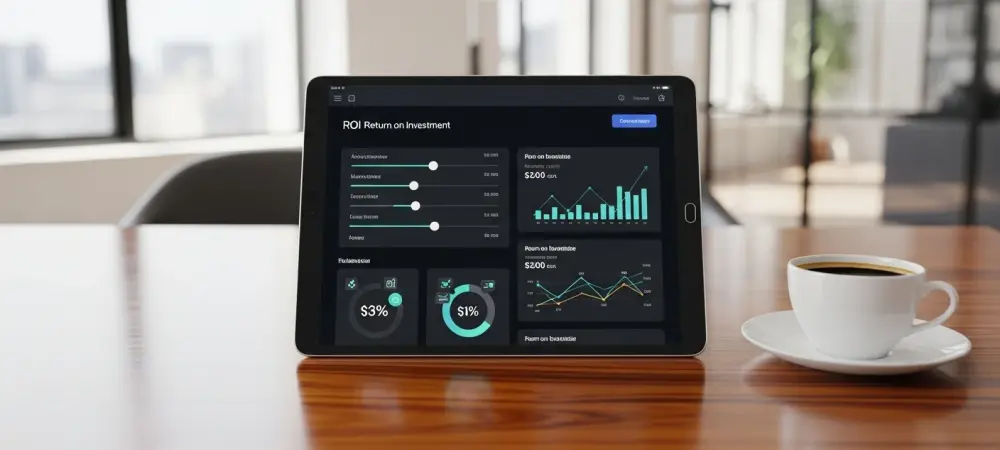
Current market research indicates that 82% of marketers are prioritizing short-form video to meet the specific expectations of buyers who have been conditioned by the rapid pace of social platforms. This shift is not merely a trend but a response to deep-seated content fatigue. Statistics reveal that 68% of marketing leaders are actively increasing budgets for interactive tools like ROI calculators and quizzes. These tools serve as a necessary antidote to the fact that 55% of buyers feel overwhelmed by the sheer volume of traditional, non-responsive materials.
The movement toward brevity and depth allows brands to humanize their professional identity without sacrificing the authority required in high-stakes transactions. By delivering concise yet meaningful interactions, companies respect the buyer’s time while fostering a sense of partnership. This strategic pivot ensures that information is not just delivered but is actively processed and retained by the recipient.
Real-World Applications: Transforming Readers into Participants
Forward-thinking firms are implementing hub-and-spoke models where cornerstone research is atomized into interactive infographics and social-first snippets. This approach ensures that a single high-value asset can drive targeted traffic across multiple channels through various entry points. Instead of a monolithic PDF, modular content hubs allow specific buyer personas to navigate information tailored to their unique pain points, increasing the relevance of every click.
Case studies show that self-assessment tools and ROI calculators provide immediate, personalized value to the prospect while simultaneously gathering intent data for the vendor. These immersive digital experiences replace long-form documents with navigable environments that adapt to the user’s journey. By offering a participatory experience, B2B companies can qualify leads with greater precision before a human sales representative ever enters the conversation.
Expert Perspectives: The Experience-Driven Pivot
Industry leaders emphasize the necessity of moving away from vanity volume toward high-impact, experience-centric content. The consensus among professionals is that a psychological shift has occurred in B2B purchasing; buyers now demand the same level of interactivity in their professional lives that they experience as consumers. Consequently, content that fails to provide a feedback loop or a personalized path is often ignored in favor of more engaging competitors.
However, this transition presents significant challenges for traditional marketing teams. Experts point to the need for entirely new creative skill sets and a fundamental change in how success is measured. The industry is moving away from tracking simple downloads and toward measuring active engagement time and specific interaction points. This shift requires agility and a willingness to abandon outdated production cycles in favor of iterative, data-backed content creation.
The Future of Interactive B2B Engagement
Development in AI-driven personalization suggests that content will soon adapt in real-time based on a user’s inputs and historical behavior. We anticipate that interactive formats will increasingly handle the heavy lifting of early-stage lead nurturing, allowing human reps to focus on high-intent interactions. Technical barriers to entry continue to lower, but the pressure on marketing teams to remain agile in a rapidly changing platform landscape remains a significant hurdle for those slow to adapt.
Navigating the New Era of B2B Interaction
The transition from static, one-dimensional assets to dynamic, participant-led experiences became a baseline requirement for market relevance. Success in this landscape depended on a company’s ability to maintain quality and agility while deeply understanding audience-specific platform habits. Marketers who audited their libraries and pivoted toward formats that captivated rather than just informed found themselves better positioned to secure buyer trust. By prioritizing the user experience, organizations transformed their marketing from a one-way broadcast into a meaningful dialogue.