

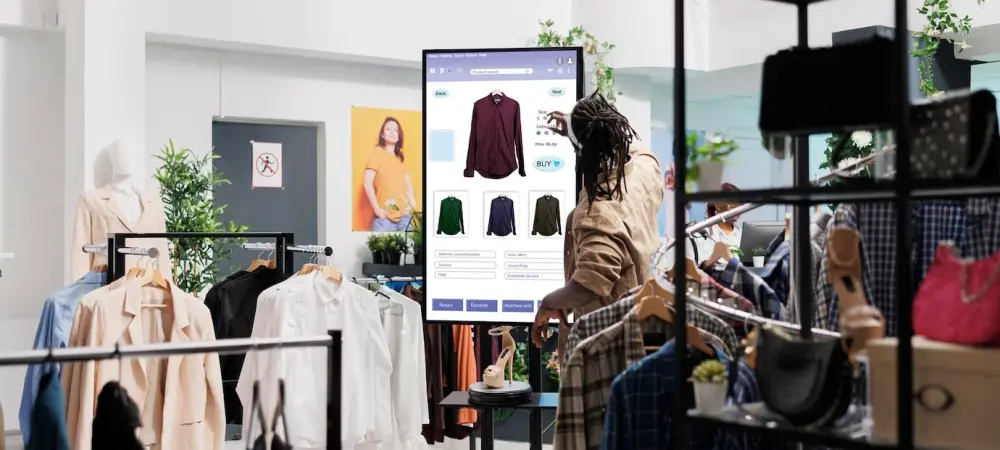
Artificial intelligence has revolutionized the retail and e-commerce landscape, reshaping how consumers interact with brands and make purchasing decisions. As technology becomes more sophisticated, AI-powered shopping features have significantly enhanced the online shopping experience, providing personalized and interactive engagement. In this analysis, we explore how these advancements are redefining consumer behavior and providing retailers with opportunities to innovate.
AI’s Growing Presence in the Shopping Experience
Accelerated Adoption and Growth Metrics
The past few years have seen an exponential rise in the adoption of AI technologies within the shopping arena. Recent reports indicate that AI integration in retail is a priority for many businesses, with adoption rates soaring each year. Industry analyses reveal that AI-powered systems now play a crucial role in retail strategies, enhancing everything from inventory management to customer service.
AI’s impact is evident in the uptick of technology investments by retailers eager to remain competitive. The data shows a steady increase in AI deployment aimed at creating bespoke customer experiences, tailored pricing strategies, and intelligent sales predictions. As e-commerce platforms continue to innovate, the AI trend shows no signs of slowing.
Pioneering Applications and Innovations
Leading companies have made significant strides in utilizing AI to transform their shopping platforms. Google’s recent launch of AI-powered tools, including virtual try-ons and price tracking alerts, has set a new standard. The ability to visualize apparel, receive customized price notifications, and access inspiration for styling and design are reshaping how consumers approach shopping decisions.
From virtual fitting rooms that leverage extensive product databases to advanced vision match technologies for style recommendations, tangible innovations are evident. These tools have increased consumer engagement by offering streamlined, user-driven experiences that cater to individual preferences. Such innovations underscore the role of AI as a catalyst for change in the retail domain.
Insights from Industry Experts
Integrating expert perspectives into the analysis of AI trends in retail elucidates the diverse viewpoints shaping these technologies’ future. Analysts and thought leaders have underscored AI’s transformative potential, spotlighting the benefits and hurdles faced by retailers embracing this technology. There is a consensus about AI’s capacity to enhance efficiency, drive sales, and foster customer loyalty.
However, experts also caution about AI integration’s inherent challenges, including data privacy concerns and technological disruptions within established operations. Balancing innovation with ethical considerations and mitigating risks are crucial steps for sustainable AI adoption. Overall, expert opinions reinforce AI’s significant role in developing a dynamic, consumer-centric retail ecosystem.
Prospects for AI in Retail Shopping
Projected advancements in AI shopping features promise to redefine the industry’s trajectory. Emerging trends include further refining visual search capabilities and developing tools that promote sustainable consumer practices. Anticipated shifts also point toward AI-driven innovations in augmented reality and voice-assisted shopping. Retailers and consumers alike are poised to benefit from AI’s continued evolution, though potential obstacles, such as technological disparities among businesses and ongoing ethical debates, persist. Understanding the implications of these advancements provides insights into evolving consumer expectations and competitive dynamics facing retailers.
Shaping the Future of Retail
AI’s integration into shopping has redefined the retail sector, emphasizing the importance of cutting-edge technology to cater to evolving consumer needs. Google’s recent innovations highlight how dynamic AI applications can be in enhancing user experiences and driving market engagement. To navigate future challenges and capitalize on emerging opportunities, businesses should strategically align themselves with technological advancements.
Becoming adept at leveraging AI’s capabilities not only secures a competitive edge but also positions retailers to deliver superior service. As AI continues to advance, those prepared to embrace change are likely to reap substantial rewards in a rapidly shifting landscape. Understanding this trend underscores the potential for AI to craft a more personalized shopping experience and innovative retail environment.