

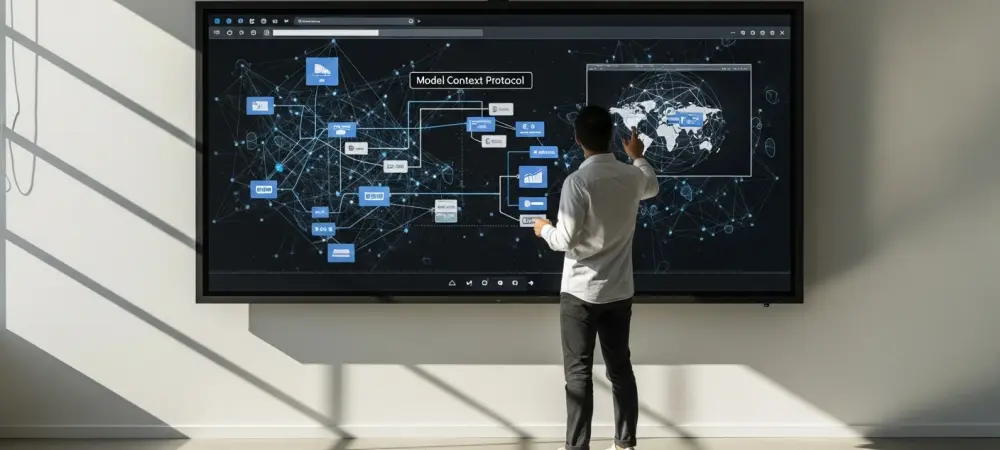
Digital architecture is undergoing a radical metamorphosis as the industry transitions from simple text generators to autonomous entities capable of building and maintaining entire virtual ecosystems. This evolution marks the dawn of the Agentic Web, a paradigm shift where artificial intelligence no longer simply assists with drafting but takes the wheel of content infrastructure. By moving beyond passive suggestions, executive AI is redefining the relationship between creators and Content Management Systems (CMS), transforming static dashboards into dynamic, conversational partners.
The transition from generative to agentic workflows signifies a departure from tools that require constant manual input toward systems that execute complex goals independently. This article explores the rise of standardized bridges like the Model Context Protocol (MCP), the practical implementation of these technologies by industry leaders such as WordPress, and the broader implications for the future of autonomous site management.
The Shift Toward Agentic Content Ecosystems
Market Trajectory: The Adoption of Open Protocols
The rapid maturation of the Model Context Protocol (MCP) has provided a standardized language that allows diverse AI models to interact seamlessly with professional software. This protocol acts as a universal adapter, enabling sophisticated agents to navigate the backend of complex systems without custom, brittle integrations for every tool. As a result, the industry is witnessing a massive migration from simple AI assistants—which focused on grammar and tone—to full-scale AI agents capable of understanding the structural requirements of a professional website.
The scale of this shift is underscored by the immense volume of digital publishing, where platforms powering more than 40% of the web handle approximately 70 million new posts every month. Integrating agentic AI into this massive pipeline suggests that a significant portion of the internet’s future content will be managed, if not entirely orchestrated, by autonomous systems. Data indicates that the move toward these open protocols is reducing the technical friction that previously kept high-level automation reserved for enterprise-level custom builds.
Real-World Application: The WordPress MCP Integration
A pivotal milestone in this trend is the introduction of “write” capabilities for WordPress via its MCP server, which fundamentally changes how users interact with their sites. Instead of navigating through multiple layers of a traditional dashboard, site owners can now use external agents like Claude, ChatGPT, or Cursor to perform direct actions through natural language. This includes everything from drafting and publishing blog posts to adjusting sensitive site settings and managing metadata, all within a unified chat interface.
This integration represents a move toward a conversation-based user experience that consolidates various disparate tools. For example, a user might instruct an agent to update a series of posts to reflect a new brand identity, and the AI would execute the edits across dozens of pages simultaneously. By bridging the gap between external AI intelligence and internal CMS functionality, these platforms are lowering the barrier to sophisticated site management while increasing the speed of content deployment.
Expert Perspectives on Autonomous Management
The transition to autonomous management brings significant questions regarding control and security, leading to a consensus on “Human-in-the-Loop” architecture. Industry experts argue that while AI can handle the execution of tasks, the human user must remain the ultimate authority, providing explicit confirmation before any AI-driven action is finalized. This safeguards against “hallucinations” or unintended site changes that could damage a brand’s reputation or technical SEO standing.
Security remains a top priority, with the implementation of robust standards like OAuth 2.1 to ensure that the connection between AI agents and content repositories is both structured and reliable. Developers emphasize that these agentic features must remain strictly “opt-in” to maintain user trust. This philosophy ensures that the shift toward autonomy does not come at the cost of content integrity, allowing managers to delegate repetitive tasks while keeping a firm hand on the creative and strategic direction of the platform.
The Future Landscape of Agentic Content Management
The role of the webmaster is poised for a significant transformation, shifting from manual execution and technical upkeep to high-level orchestration. Content managers will likely spend less time formatting headers or resizing images and more time refining the prompts and logic that guide their AI agents. This change suggests a future where a single individual can manage a vast network of sites with the same level of precision previously required for a single blog.
Anticipated developments include the rise of fully autonomous content lifecycles that handle everything from initial trend analysis and SEO optimization to automated publishing and maintenance. While these advancements promise unprecedented efficiency and lower barriers to entry, they also present challenges, such as potential content saturation and the need for even more rigorous human oversight. Other CMS providers will likely feel the pressure to adopt similar open standards to remain competitive in an AI-first market that favors interoperability over closed ecosystems.
The integration of agentic AI into content management systems represented a fundamental shift in the digital landscape, moving the technology from a creative consultant to a functional executor. Platforms that successfully implemented these protocols streamlined the publishing process for millions, making sophisticated site management accessible to those without deep technical expertise. This evolution necessitated a careful balance between rapid innovation and the deployment of robust safety protocols to protect the creative future of the web. Professional workflows reached a new level of efficiency as autonomous agents took over the mechanical aspects of digital maintenance. Ultimately, the industry moved toward a more integrated and conversational interface, where the distinction between the user’s intent and the platform’s execution became increasingly seamless.