

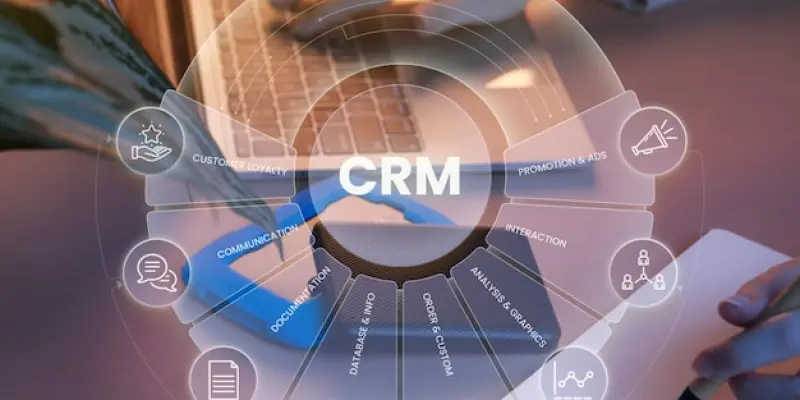
Recent findings illuminate a stark reality within the charity sector: large organizations are grappling with inadequate CRM systems, while smaller charities largely lack these essential tools. This gap suggests a significant opportunity to harness CRM systems to propel charitable operations to new heights, driving enhanced donor engagement, volunteer management, and operational excellence.
Digital Integration’s Role in Charitable Success
The integration of CRM systems represents a pivotal opportunity for charities to transform their operational landscape. For many years, nonprofits relied heavily on manual processes and traditional methods to engage donors and manage volunteers—a strategy that often proved ineffective in the increasingly digitized world. The pandemic underscored the necessity of digital transformation, prompting organizations to reconsider their technological capabilities. Adopting robust CRM solutions can serve as the cornerstone for charities seeking to modernize processes and develop personalized communication strategies that resonate with existing supporters.
Market Trends and Technological Opportunities
Donor Segmentation for Enhanced Engagement
The charity sector is experiencing a notable shift, marked by fewer donors contributing larger sums. This change underscores the imperative for CRM systems that can segment and analyze donor behavior effectively. Such tools enable nonprofits to craft personalized programs that foster loyalty and maximize contributions. Despite these promising prospects, financial barriers remain a prevalent challenge. Large organizations struggle to align their CRM capabilities with their needs, prompting smaller charities to navigate CRM absence and seek innovative solutions.
Transformative Volunteer Management Capabilities
Volunteer engagement is essential to charity operations, with CRM systems offering a groundbreaking approach to volunteer management. Features such as tracking and scheduling elevate engagement levels and volunteer satisfaction, fostering a community of dedicated support. However, the costs and technical challenges of implementation present hurdles, suggesting alternatives like shared platforms or targeted fundraising efforts as viable paths forward.
Security and Scalability in Digital Operations
Security concerns are at the forefront, particularly in managing sensitive data. Adherence to certification standards, such as ISO27001, ensures the protection of donor and volunteer information. As charities expand their footprint, scaling robust CRM systems becomes critical. This growth necessitates careful planning to balance technological advancements with budget constraints, highlighting an ongoing need for educational initiatives that clarify CRM capabilities.
Industry Forecast and Technological Evolution
The charity sector stands on the brink of technological evolution, with the rise of AI integration and advanced data analytics set to reshape CRM functionalities. Predictions point toward these innovations offering profound insights, streamlining operations, and revolutionizing engagement strategies. Regulatory shifts concerning data privacy are anticipated to influence CRM designs, enforcing compliance while delivering operational excellence.
Strategic Implications and CRM System Selection
For charities exploring CRM adoption, the emphasis should be placed on identifying precise needs and objectives prior to making any investments. By categorizing essential CRM features against desirable functionalities, organizations can ensure alignment with their strategic goals. Gaining stakeholder consensus, consulting industry experts, and utilizing evaluation resources like Donorfy can guide nonprofits in choosing systems that enhance operational impact and effectiveness.
Reflections and Strategic Recommendations
Ultimately, CRM systems present charities with an opportunity for profound operational transformation. Effective digital adoption has the potential to optimize donor activities, enhance volunteer engagement, and guarantee robust security—all integral for sustainable growth. By strategically selecting and implementing CRM technologies, organizations could forge a pathway toward greater outreach and long-term mission success. As these digital capabilities come to fruition, charities that embrace the change could be better positioned to navigate the evolving landscape, fostering meaningful connections and driving sustained impact across communities.