

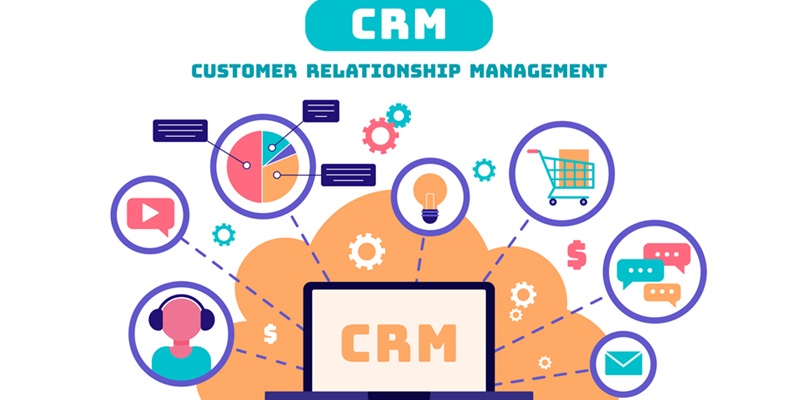
In today’s fast-paced business world, Customer Relationship Management (CRM) has become indispensable for companies aiming to maximize customer satisfaction and drive growth. With the advent of cloud technology, CRM solutions have evolved, providing companies with faster implementations, easier maintenance, and reduced risks. In this article, we will explore the top cloud-based CRM solutions available in the market today and delve into their features and benefits.
Salesforce: Empowering Business Success with AI-Powered Technologies
Salesforce stands out as one of the most comprehensive cloud-based CRM products in the market. With its AI-powered technologies, it not only improves productivity but also creates seamless customer experiences. Using advanced analytics and automation, Salesforce enables companies to automate manual tasks, identify patterns, and make data-driven decisions. Its vast array of features includes lead management, sales forecasting, customer tracking, and powerful integrations, making it a top choice for businesses of all sizes.
HubSpot: A Powerhouse CRM Solution with Core Capabilities
HubSpot has gained immense popularity as a cloud-based CRM provider. Not only does it offer core CRM capabilities for free, but it also provides additional features as add-ons. HubSpot’s CRM solution allows companies to track and manage customer interactions, create personalized marketing campaigns, and streamline sales processes. Through seamless integration with its broader marketing and sales tools, HubSpot enables businesses to foster stronger relationships with customers and drive growth.
ClickUp: Unleashing Productivity with Task and Project Management Integration
ClickUp, primarily known for its task and project management application, also offers a cloud-based CRM feature. This unique combination allows companies to visualize their pipeline, streamline customer workflows, and effectively manage projects along with customer relationships. By integrating CRM elements into a comprehensive project management platform, ClickUp empowers businesses to stay organized, collaborate efficiently, and deliver outstanding customer experiences.
Keap: Elevating Growth-Oriented Companies with CRM and Marketing Automation
Keap focuses on providing CRM and marketing automation solutions specifically tailored for growth-oriented companies. Its CRM platform helps businesses manage their sales pipeline, nurture leads, and track customer interactions. Keap’s marketing automation tools enable personalized campaigns, segmenting customers based on their behavior and preferences. By integrating CRM and marketing automation capabilities, Keap equips companies with the tools needed to drive revenue and fuel growth.
Freshsales: Unifying Customer Data and Optimizing Experiences with AI
Freshsales, developed by Freshworks, is a cloud-based CRM solution powered by artificial intelligence. It helps businesses identify loyal customers, optimize experiences, and unify customer data across various platforms. With advanced features like lead scoring, email tracking, and sales analytics, Freshsales empowers companies to make informed decisions, improve conversion rates, and strengthen customer relationships.
Pipedrive: Simplifying Sales Processes with Intuitive Lead Management
Pipedrive offers a clean and intuitive cloud-based CRM specifically designed for sales professionals. With its user-friendly interface and focus on lead management, Pipedrive enables businesses to streamline sales processes, track performance metrics, and close deals effectively. By providing a visual representation of the sales pipeline, Pipedrive helps sales teams prioritize their efforts and improve overall efficiency.
Monday.com: Scalable Project Management with CRM Integration
Monday.com, a highly scalable project management software, also offers CRM solutions. Its CRM features include sales pipeline visualizations, workflow automation, and customer tracking. By integrating project management and CRM capabilities, Monday.com ensures that customer relationships are seamlessly incorporated into various projects, leading to improved collaboration, increased productivity, and enhanced customer satisfaction.
Zendesk: Enhancing Sales Processes with Conversational Experiences and Analytics
Zendesk offers cloud-based CRM software with robust capabilities for sales automation, pipeline visibility, personalized conversational experiences, and customer analytics. By adopting a customer-centric approach, Zendesk enables businesses to engage with customers across multiple channels, providing personalized support and ensuring consistent experiences. Leveraging its powerful analytics capabilities, Zendesk equips companies with insights to optimize sales processes and drive revenue growth.
Zoho CRM: A Comprehensive Suite for Marketing, Sales, and Customer Service
Zoho CRM is a cloud-based suite that encompasses marketing, sales, and customer service tools. Its comprehensive features include omnichannel engagement, lead nurturing capabilities, and efficient customer service management. Zoho CRM enables businesses to engage with customers across various channels, track interactions, and provide personalized experiences. By centralizing marketing, sales, and customer service efforts, Zoho CRM helps businesses deliver exceptional customer experiences and foster long-term relationships.
Cloud-based CRM solutions have revolutionized the way businesses manage and nurture customer relationships. The top solutions like Salesforce, HubSpot, ClickUp, Keap, Freshsales, Pipedrive, Monday.com, Zendesk, and Zoho CRM offer a range of features and capabilities, catering to businesses of all sizes and industries. By leveraging cloud technology, these solutions empower companies to streamline their operations, optimize sales processes, and deliver exceptional customer experiences. Whether it’s through AI-powered technologies, marketing automation, project management integration, or conversational experiences, these CRM solutions are driving growth and customer satisfaction to new heights.