

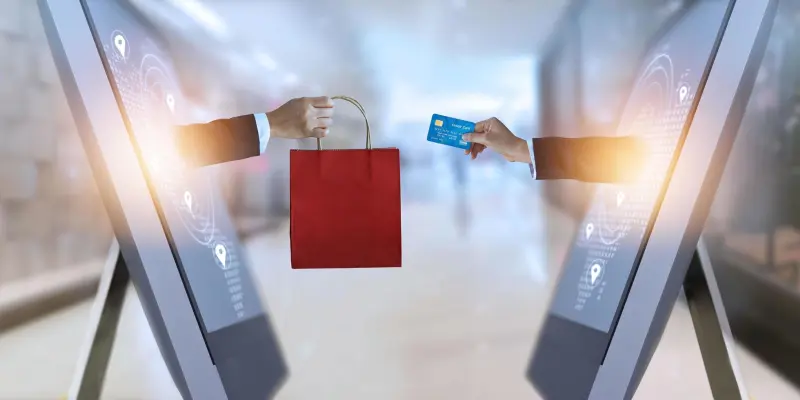
The retail industry has consistently evolved, adapting to shifts in consumer behavior and technological advancements. As the landscape continues to change, it remains crucial to maintain a consumer-centric focus, especially within Brazil’s economic framework. This article explores contemporary retail trends and future expectations, emphasizing the importance of keeping consumers at the forefront of business strategies.
Historical Evolution of Retail
Retail has always prioritized the consumer, an unchanging principle through decades of transformation. The industry has journeyed from colonial warehouses and manual over-the-counter sales to street vendors and digital platforms, with the consumer always at its core. In Brazil, retail is a critical economic contributor, highlighted by the sector’s substantial R$1.31 trillion input to the GDP in 2016. This economic impact underscores the significance of retail in Brazil’s financial landscape, making it imperative to understand consumer demands and preferences thoroughly.
One notable aspect of retail’s historical evolution is the shift from traditional brick-and-mortar stores to online platforms. This transition has redefined the way businesses operate and engage with consumers. Early retail practices were limited to physical interactions, with buyers traveling to stores or markets to make their purchases. The advent of digital technology has expanded the reach of retailers, allowing them to connect with consumers worldwide and offer products and services with unprecedented convenience and efficiency.
The Digital Transformation
Being online is now essential for retailers to maintain visibility and sales, a trend expedited by the COVID-19 pandemic. The pandemic significantly accelerated the digital adoption by companies that initially resisted change, highlighting the urgent need for technological integration. Retail management expert Lélis Espartel emphasizes that the pandemic forced many retail businesses into rapid technological adaptation almost overnight, transforming the industry’s approach to consumer engagement.
The digital transformation encompasses various aspects, from e-commerce platforms to mobile applications and social media marketing. Retailers have utilized these tools to create seamless shopping experiences, enable easy access to products, and foster direct communication with consumers. The ability to shop online has become a fundamental expectation among consumers, making robust digital presence indispensable for retailers aiming to stay competitive. This shift also emphasizes the need for integrated systems that provide consistent and high-quality service across all digital touchpoints.
Attracting Consumers in a Competitive Landscape
Retailers today navigate the challenge of attracting consumers who have numerous options both online and offline. To differentiate themselves, companies are adopting innovative strategies and technologies designed to enhance user engagement. One notable approach is the omnichannel strategy, efficiently integrating digital and physical retail experiences. Through omnichannel methods, consumers can start their shopping journey in-store, continue online, and complete the purchase with the flexibility of picking up in-store or requesting exchanges through either channel.
The success of the omnichannel strategy hinges on the seamless integration of systems, ensuring that the quality of service remains consistent across all platforms. This approach not only enhances consumer satisfaction but also fosters loyalty by offering a fluid shopping experience. Furthermore, omnichannel strategies enable retailers to collect valuable data on consumer behavior and preferences, allowing for the personalization of marketing efforts and targeted promotions.
In the competitive retail landscape, companies must also focus on building strong brand identities that resonate with their target audience. Effective branding reinforces the company’s values and mission, establishing a connection with consumers that goes beyond transactional interactions. This emotional bond can be a powerful driver of consumer loyalty, potentially influencing purchasing decisions and differentiating a brand from its competitors.
Innovative Technologies in Retail
To thrive in the future, retailers must effectively leverage both physical and digital realms. Technologies such as Virtual Reality (VR) and Augmented Reality (AR) play crucial roles in replicating and enhancing physical store experiences online. VR allows for virtual store exploration, enabling consumers to immerse themselves in a digital environment that mirrors a physical store. This technology provides an engaging way for consumers to interact with products, participate in sales events, or attend brand experiences without geographic limitations. Augmented Reality (AR), on the other hand, integrates virtual elements into the physical world. It allows consumers to visualize products within their environments, significantly enhancing the shopping experience. For instance, consumers can use AR to see how furniture would look in their homes before making a purchase. This interactive capability boosts consumer confidence in their buying decisions and increases the likelihood of sales conversion. AR’s appeal is particularly strong among younger demographics, as evidenced by its popularity in applications like Pokémon Go.
Additionally, retailers are exploring other innovative technologies to enhance consumer engagement and streamline operations. RFID (Radio Frequency Identification) tags exemplify efficient data capture techniques, simplifying processes such as bulk purchase counts at checkouts. The concept of truck stores introduces mobile and versatile sales environments ideal for product demonstrations or pre-launch events. These mobile stores offer flexibility and reach, making them a valuable asset for retailers looking to connect with consumers in diverse locations.
Efficient Data Capture and Mobility
Retail efficiency is greatly enhanced by these technological advancements, which streamline operations and improve consumer experiences. Technologies such as RFID tags facilitate quick and accurate bulk purchase counts at checkouts, reducing wait times and increasing customer satisfaction. By automating these processes, retailers can focus on providing quality service and addressing consumer needs.
The rise of the Internet of Things (IoT) has further contributed to retail efficiency, particularly in inventory management and delivery processes. IoT enables real-time tracking and monitoring of stock levels, ensuring that retailers can maintain optimal inventory without manual intervention. This technology paves the way for unmanned stores where transactions are automated without employee involvement, creating a seamless and efficient shopping experience. Truck stores represent another innovative concept in the retail sector, offering mobile and versatile sales environments perfect for product demonstrations or pre-launch events. These stores allow retailers to reach consumers where they are, making it easier to showcase new products and generate interest. The flexibility of truck stores ensures that retailers can adapt to changing consumer preferences and market conditions, providing a dynamic and responsive sales strategy.
Enhancing User Journeys
Understanding the user journey is essential to improving consumer experiences and fostering repeat business. By mapping out the entire purchasing path, retailers gain valuable insights into consumer behaviors that inform their strategies. Heatmapping tools analyze website interactions, showing areas of high consumer engagement. This practice extends to physical stores, where layout influence on purchase decisions is assessed to optimize store design and product placement. Accurate user journey mapping helps identify pain points in the shopping experience, allowing retailers to make data-driven improvements. By addressing these issues, companies can provide smoother and more enjoyable experiences, increasing the likelihood of repeat business. Personalized marketing efforts emerge from understanding consumer behavior, delivering tailored promotions and recommendations based on individual preferences and history.
Furthermore, targeted in-store technology, such as Beacon Technology, enhances interactions through short-range Bluetooth. This technology sends personalized notifications and promotions to consumers’ mobile devices, catering to their specific interests and preferences. This level of personalization adds value to the shopping experience, making consumers feel recognized and appreciated.
Personalized and Targeted In-Store Experiences
In-store experiences are becoming increasingly personalized and targeted to cater to consumer preferences. Technologies like Beacon Technology play a significant role in this transformation, using short-range Bluetooth to send targeted notifications and promotions directly to consumers’ mobile devices. These personalized interactions create a sense of exclusivity and connection, enhancing consumer loyalty and satisfaction. Offering personalized products is another effective strategy to cater to unique consumer preferences. Customization options in color, size, style, or functionality add value to products, making them more appealing to consumers. This level of personalization creates an emotional bond between the consumer and the product, promoting loyalty and repeat business. Retailers must also focus on creating engaging and interactive in-store experiences that differentiate them from competitors. This involves leveraging technologies and innovative concepts to make shopping enjoyable and memorable. For instance, interactive displays, virtual fitting rooms, and product demonstrations can transform a regular shopping trip into an exciting experience.
Supporting Local Businesses and Values-Driven Retail
The retail industry has always been dynamic, evolving in response to changing consumer behaviors and technological innovations. As this landscape continues to transform, it becomes increasingly important to maintain a consumer-centric focus, especially within the context of Brazil’s economy. This article delves into the latest retail trends and future predictions, stressing the necessity of keeping the consumer’s needs and preferences at the core of business strategies. Emerging technologies, such as artificial intelligence, big data analytics, and mobile commerce, are significantly shaping the way retailers interact with their customers, offering personalized experiences and convenience. Additionally, sustainability and ethical sourcing have become critical factors that resonate with today’s consumers, driving retailers to adopt greener practices and transparent supply chains. By prioritizing these elements, retailers can ensure they remain relevant and competitive in an ever-changing market. Ultimately, understanding and anticipating consumer demands will be key to success in the future of retail, especially in vibrant markets like Brazil’s.