

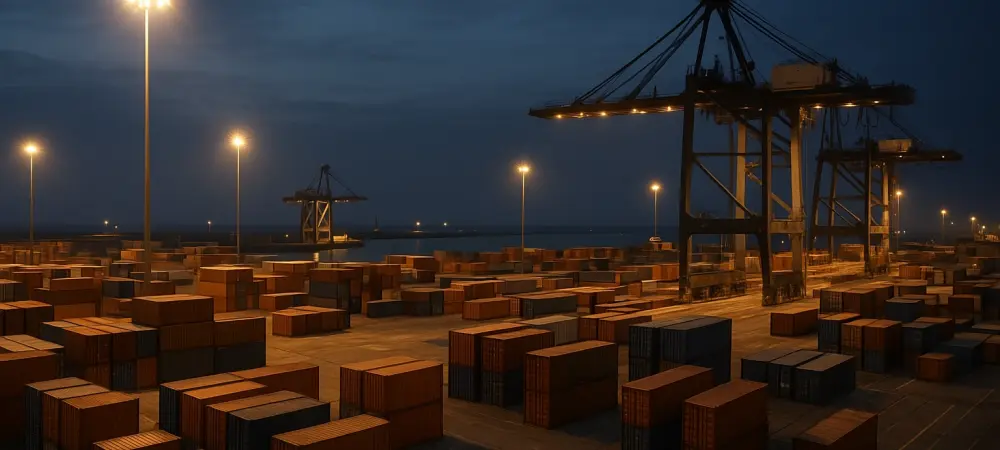
Corporate reputation is increasingly tied to environmental stewardship as 89.9 percent of survey participants recognized Pelindo’s commitment to sustainable and responsible port operations. This realization is part of a broader transformation within PT Pelabuhan Indonesia (Persero), which has successfully evolved from a traditional infrastructure provider into a customer-centric service organization. According to a national study conducted in late 2026 by Indonesia Development Monitoring, this shift has fundamentally altered how maritime stakeholders perceive port efficiency and corporate reliability. By utilizing the Stimulus-Organism-Response framework, the research demonstrated that Pelindo’s operational refinements are not merely cosmetic but are deeply integrated into its corporate DNA. The survey, which captured insights from 470 valid respondents across various shipping and logistics sectors, achieved an impressive 91.7 percent response rate, providing a definitive benchmark for excellence in the Indonesian maritime gateway.
Operational Excellence and Digital Transformation
Service Quality: Reliability and Safety
Operational precision serves as the primary stimulus for customer satisfaction, and Pelindo has hit high marks by delivering on the fundamental promises of speed and reliability. The 2026 survey revealed an 88.1 percent satisfaction rating in these categories, reflecting a significant reduction in vessel idle times and more efficient cargo throughput. This efficiency is mirrored in the organization’s safety and security protocols, where cargo integrity and documentation accuracy have become standard expectations rather than aspirational goals.
Furthermore, the port operator has maintained a delicate balance between high-quality service and competitive pricing, garnering an 89.1 percent approval rating for its cost structures. This flexibility in pricing and service availability allows logistics providers to navigate the often-unpredictable fluctuations of global trade without sacrificing their margins. By providing a stable and secure environment for cargo movement, Pelindo has effectively reduced the operational risks for its diverse clientele.
Workforce Development: Human Capital and Technology
The human element remains central to the successful execution of port services, and the professionalism of the staff at Pelindo has been identified as a critical driver of user loyalty. Survey data indicated that 89.3 percent of stakeholders were highly satisfied with the responsiveness and competence of port personnel during daily interactions. This professionalism is particularly evident in how the staff manages complex documentation and cargo handling tasks, ensuring that bottlenecks are minimized even during peak operational periods.
Moreover, the workforce has shown exceptional proficiency in navigating modern digital systems, which is essential for the smooth operation of contemporary maritime hubs. This alignment between human skill sets and technological infrastructure allows for a more seamless experience for freight forwarders and transportation firms. By investing in continuous training and soft-skill development, Pelindo has ensured that its employees are capable of meeting the rigorous demands of international trade partners while maintaining a high standard of interpersonal communication.
Smart Infrastructure: Advancing Port Integration
The transition toward “smart port” operations has revolutionized how information is managed and shared across the logistics chain. Pelindo’s application of Information and Communication Technology (ICT) received an 89.1 percent satisfaction rating, underscoring the organization’s commitment to transparency and real-time data flow. This digital transformation enables exporters and importers to access critical information regarding their shipments instantaneously, which significantly enhances their ability to plan and execute downstream logistics activities.
In addition to improving visibility, these digital platforms have streamlined administrative processes, reducing the time required for permit approvals and customs clearances. The integration of these technologies has created a more cohesive environment where data movement is as prioritized as the physical movement of goods. By fostering a digitally-integrated ecosystem, Pelindo has set a new regional standard for how technology can be leveraged to drive operational efficiency and enhance the overall customer experience in the maritime sector.
Strategic Management and Long-Term Viability
Continuous Improvement: Management and Feedback
Strategic leadership and a commitment to “Continuous Improvement” have emerged as the highest-rated aspects of Pelindo’s organizational performance, according to the 2026 data. This specific category achieved a peak satisfaction score of 89.9 percent, reflecting the port operator’s proactive stance on soliciting and implementing feedback from its user base. Management is widely regarded as competent and prepared to handle the intricacies of modern logistics, including the management of unforeseen incidents that could otherwise disrupt the flow of goods.
This culture of iterative progress ensures that the organization remains agile in the face of changing market conditions and technological advancements. By maintaining an open dialogue with stakeholders, the leadership team has been able to identify pain points and address them before they escalate into systemic issues. This responsiveness not only improves operational outcomes but also strengthens the psychological bond between the service provider and its users, creating a sense of shared purpose and long-term partnership.
Corporate Reputation: Sustainability and Networking
Environmental, social, and governance standards are no longer peripheral concerns but are central to Pelindo’s identity as a modern port operator. Beyond the impressive 89.9 percent recognition for environmental stewardship, the organization has excelled in building robust networking capabilities with other logistics nodes. This collaborative approach, which was praised by 89.3 percent of respondents, involves forming strategic relationships with land transport providers and other regional ports to create a more integrated and fluid transportation network.
These efforts have significantly enhanced Pelindo’s corporate reputation, positioning it as a responsible leader that values sustainability as much as profitability. By focusing on green port initiatives and social responsibility, the company has aligned itself with the ethical expectations of global trade entities. This holistic approach to port management demonstrates that long-term success is contingent upon the ability to harmonize economic goals with the broader interests of society and the environment, ensuring the sustainability of the maritime sector for years to come.
Future Roadmap: Actionable Strategies for Growth
The IDM survey established that Pelindo’s high satisfaction ratings were the direct result of a transition toward a resilient and digitally-integrated operational model. To maintain this leadership position, the organization focused on stabilizing vessel berthing schedules and reducing port stay durations through enhanced technical reliability. Strategic investments were prioritized for the modernization of loading equipment and the expansion of warehouse capacities to preemptively address potential congestion. Management also emphasized the importance of specialized training for personnel to further improve problem-solving capabilities and international service standards.
Furthermore, the establishment of more responsive feedback mechanisms, such as dedicated communication channels for grievances, allowed the operator to resolve issues with greater speed. The implementation of performance-based metrics ensured that service quality remained consistent across all terminals. Ultimately, the port operator successfully converted its strong brand image into deep-rooted customer loyalty by consistently delivering on its operational promises. These steps solidified the foundation for continued growth and set a benchmark for maritime excellence in the region.