

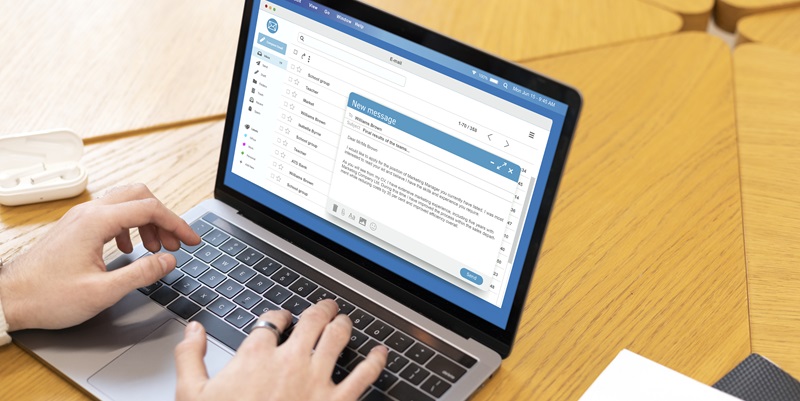
In today’s digital age, effective communication with customers is crucial for any business looking to thrive. One powerful tool that has emerged in the marketing realm is triggered emails. By definition, a triggered email is a direct email that is sent automatically once specified conditions are met. This proactive approach brings immense benefits to businesses, allowing them to increase engagement rates and build stronger relationships with their customers and prospects.
Increased Engagement Rates with Customers and Prospects
Triggered emails provide an excellent opportunity to connect with customers on a personalized level. By sending targeted messages triggered by specific actions, businesses can deliver tailored content that resonates with individuals. This personalized approach leads to higher engagement rates, as customers feel seen, understood, and valued. It also increases the likelihood of conversion, making triggered emails a valuable marketing tactic.
Utilization of Marketing Automation and Personalization
Triggered emails seamlessly blend marketing automation and personalization. Automation streamlines the process, ensuring the timely delivery of relevant content to the right audience. Simultaneously, personalization allows businesses to tailor their messages based on individual preferences, behaviors, and needs. When used in conjunction, marketing automation and personalization make triggered emails a powerful tool for driving customer engagement and boosting conversion rates.
How Triggered Emails Create a Personalized and Direct Experience
When a triggered email is sent based on a specific action, it elicits a sense of direct communication, akin to receiving a personalized reply. This personal touch enhances the customer experience by making them feel valued and important. Whether it is a welcome email after signing up for a newsletter or an abandoned cart reminder, triggered emails make customers feel understood and catered to. The result is a deeper connection with the brand and increased loyalty.
Importance of understanding customer behavior
To effectively implement triggered email campaigns, businesses must first gain a comprehensive understanding of their customers’ behaviors. Creating a customer avatar, which involves brainstorming all the potential behaviors and actions customers might engage in, is an essential step. Identifying these triggers allows businesses to develop personalized and relevant messages that align with their customers’ needs and interests.
Identifying the Triggering Action
Once customer behaviors have been identified, businesses must pinpoint specific triggering actions that will initiate the email campaign. This could range from completing a purchase, abandoning a cart, subscribing to a service, or even visiting a particular webpage. By defining the trigger, businesses can ensure that the right message reaches the right people at the right time.
Creating Relevant Email Content
With the trigger identified, it’s time to create compelling email content that addresses and acknowledges the trigger. The tone, messaging, and design of the email should resonate with the customer’s specific action, offering relevant information or incentives. By tailoring the content to the trigger, businesses can drive customer engagement and increase the likelihood of conversion.
Utilizing Email Marketing Software for Automation
The implementation of triggered emails is surprisingly easy with professional email marketing software. These tools offer automation capabilities that streamline the process, ensuring that emails are sent promptly and accurately based on the specified triggers. Businesses can take advantage of features like segmentation, A/B testing, and scheduling to optimize their triggered email campaigns and improve overall efficiency.
Testing and Evaluating the Effectiveness of Triggered Email Campaigns
Before launching a triggered email campaign, thorough testing is essential. Perform the triggering action and observe if the emails are delivered and function as intended. Fine-tune any issues or inconsistencies to ensure a smooth customer experience. By monitoring and analyzing metrics such as open rates, click-through rates, and conversions, businesses can measure the success of their triggered email campaigns and make necessary adjustments for maximum effectiveness.
In conclusion, triggered emails offer businesses a powerful tool for increasing customer engagement, loyalty, and retention. By employing marketing automation and personalization, businesses can create a personalized and direct experience that resonates with customers. Understanding customer behaviors and crafting relevant and timely email content further enhance the effectiveness of these campaigns. When implemented and tested using email marketing software, triggered emails yield impressive results. Embrace the potential of triggered emails to connect with your customers on a deeper level, foster brand loyalty, and secure long-term success.