

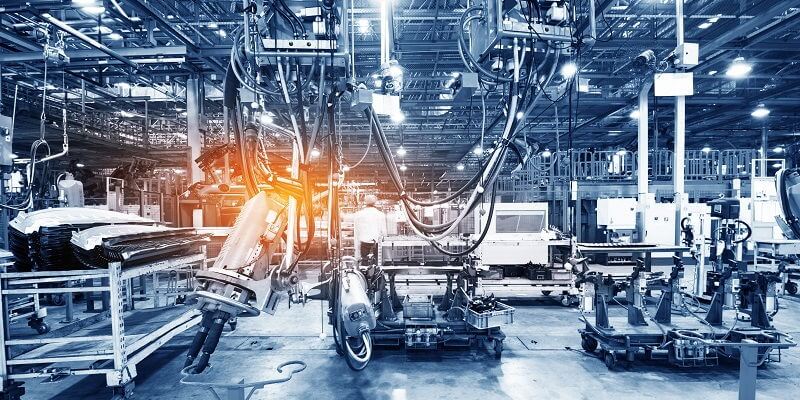
In the manufacturing industry, the quality of the product was once the sole focus of the company. However, manufacturers have realized that prioritizing customer experience (CX) is just as important. In today’s competitive market, providing exceptional CX is a crucial factor in gaining customer loyalty. Delivering a positive CX not only enhances the brand’s reputation but also increases customer satisfaction. In this article, we will discuss why prioritizing CX in manufacturing matters and the challenges manufacturers face in delivering exceptional CX.
Why prioritizing customer experience (CX) matters in manufacturing?
In the manufacturing industry today, customers expect more than just a high-quality product; they expect a high-quality experience. The industry has recognized that it is not only competing on the quality of the product but also on the quality of the customer experience (CX). Manufacturers realize that customers are in control now more than ever, and CX can significantly impact their purchasing decisions.
Finding a balance that maintains high-quality standards is challenging
Maintaining high-quality standards is imperative in the manufacturing industry; however, finding a balance between product quality and customer experience (CX) is challenging. Manufacturers need to ensure they are providing top-tier products while meeting customer needs and expectations for a more personalized experience. However, the challenge arises when providing a personalized experience conflicts with maintaining consistent quality standards.
Recovering costs lost in the supply chain through operational efficiencies
Manufacturing companies are looking to recover costs lost in the supply chain by implementing operational efficiencies. Improving supply chain management can aid in reducing costs and boosting efficiency, which can, in turn, enhance the overall customer experience (CX) offered by the manufacturer. It enables the manufacturer to provide products to the customer on time, with fewer defects, and at a lower cost. By improving supply chain management, manufacturers can keep production efficient, and costs low, ultimately allowing them to prioritize CX.
Customers want to be treated like people, not tickets
Customers want to interact with manufacturers as if they’re dealing with someone they know, rather than just a ticket number. They value a personalized and genuine experience. Manufacturers need to treat customers as individuals and tailor their experience according to their needs. This involves effectively training employees on how to build a relationship with customers and providing them with the tools they need to do so.
Delivering great customer experience (CX) is essential to achieving goals
Manufacturing companies realize that delivering a great customer experience (CX) can help them achieve their goals. By providing high-quality experiences to customers, they can build customer loyalty, resulting in repeat business, referrals, and positive feedback. CX also plays a crucial role in enhancing the brand’s reputation, which can lead to increased revenue and a competitive advantage.
Integrating exceptional customer experience (CX) and engagement software into the tech stack
To achieve great customer experience (CX), manufacturers must integrate exceptional CX and engagement software into their tech stack. The software can utilize data to analyze customer behavior and preferences in order to provide a personalized experience. The tech stack can also help manufacturers manage customer interactions and respond to inquiries in real-time. Additionally, it can help maintain a consistent brand message across all channels and provide a seamless, hassle-free CX.
The power of compiling data from multiple sources
Manufacturers have access to an extensive amount of data from multiple sources that can aid in delivering proactive CX. By compiling data from various sources such as email, social media, and website traffic, manufacturers can develop an informed understanding of customer needs and preferences. Utilizing this data, manufacturers can provide proactive CX, anticipating and addressing customer needs before they arise.
Unlocks proactive service opportunities
Data compilation enables manufacturers to uncover opportunities for proactive service. By analyzing trends and patterns, manufacturers can identify areas where customers may encounter difficulties or have questions. They can then proactively provide the necessary information to customers before they encounter those problems, thereby increasing customer satisfaction.
The wealth of data and information available
There is a wealth of data and information available in the manufacturing industry that can aid in delivering quick support to customers. Manufacturers can utilize various resources to ensure they provide customers with the correct information in real-time. This includes maintaining a comprehensive knowledge base, frequently asked questions, support forums, and customer support via telephone, email or chat.
Enables customers to receive the support they need quickly
Access to this information enables customers to get the support they need quickly. Additionally, manufacturers can provide proactive customer support by anticipating customer issues before they arise. By providing prompt support and addressing issues before they become evident, manufacturers enhance the customer experience and increase customer loyalty.
Innovating to Improve Lives in Manufacturing
Manufacturing companies are in a unique position to drive innovation and improve the lives of everyday consumers. They can utilize technological advancements to enhance the quality of their products and customer experience (CX). This can include implementing automation and artificial intelligence to increase efficiency and provide a personalized experience.
Improve the lives of everyday consumers
By driving innovation, manufacturing companies can improve the lives of everyday consumers. They can provide products that are safer, more durable, and more technologically advanced. Manufacturers can also implement sustainable practices to reduce negative environmental impacts, ultimately enhancing customer perception and reputation.
In conclusion, manufacturers are prioritizing CX for the reasons mentioned above. While it remains challenging to find the balance between product quality and CX, successful companies find a way to deliver both. The manufacturing industry recognizes that great CX aids in achieving their goals, but proactive CX, quick support, data compilation, and integrating exceptional CX and engagement software into their tech stack are vital aspects. Additionally, driving innovation to enhance the quality of the product and CX is crucial to improving the lives of consumers and enhancing a company’s reputation.