

In an era where customer expectations are higher than ever, businesses need a powerful strategy to not only meet these expectations but also to stay ahead of the competition. Omnichannel personalization, which involves tailoring the shopping experience based on data collected from various customer interaction touchpoints, has emerged as a crucial strategy for boosting customer engagement and ensuring sustainable growth. By harnessing data from online, offline, and mobile platforms, companies can create a seamless, consistent, and highly personalized customer experience across all channels.
However, implementing an effective omnichannel personalization strategy is not a simple task. It requires a deep understanding of customer behavior, strategic integration of various technological tools, and a commitment to continuous optimization based on measurable outcomes. The following sections delve into the essential elements of mastering omnichannel personalization, beginning with a comprehensive understanding of customer journeys, and moving through building an effective strategy, leveraging unified customer data, integrating key components, addressing challenges, and ultimately measuring and optimizing efforts.
Understanding Customer Journeys
To effectively personalize the customer experience, it’s essential first to understand the complete customer journey. A customer journey map is a critical tool in this process as it helps define each touchpoint, identify behaviors at each stage, and pinpoint commonly used channels. This mapping is the foundational step in crafting a personalization strategy as it allows businesses to comprehend how consumers engage with their brand across different platforms. For example, customer journey maps can reveal how shoppers interact with a brand online, in-store, through mobile devices, or via social media.
Mapping the customer journey also helps identify pain points and conversion opportunities. For instance, data might show that customers tend to spend significantly more when shopping in-store than online. By leveraging this information, businesses can use marketing automation to guide customers toward retail locations using collected data, such as loyalty points and in-store sales. Additionally, journey maps can highlight areas where customers may be experiencing frustration, such as complicated checkout processes or insufficient product information, allowing companies to address these issues proactively and enhance the overall shopping experience.
Moreover, understanding customer journeys aids in crafting personalized marketing messages that resonate with customers at different stages. By knowing where a customer is in their journey—whether they are discovering products, considering a purchase, or ready to check out—businesses can tailor their messaging to be relevant and timely. For instance, a customer exploring product pages might appreciate personalized recommendations based on their browsing history, whereas a customer who has abandoned their cart could be enticed with a special offer to complete their purchase.
Building an Effective Personalization Strategy
A well-designed personalization strategy delivers experiences that drive engagement and loyalty consistently across all customer interaction points. The key elements of a robust omnichannel personalization strategy include clearly defined goals, targeted personas, and a streamlined toolstack. Setting clear goals is the first step, whether it’s reducing acquisition costs, improving conversions, or increasing return on ad spend (ROAS). Establishing precise goals aligns team efforts and focuses resources effectively, ensuring that every action taken contributes to the overarching business objectives.
Creating targeted personas is another essential component. Personas help businesses understand key demographics, behaviors, and motivations of their customers, enabling them to address specific needs and preferences. For example, guiding users who abandon carts due to high shipping costs toward locations offering free pickup can significantly improve conversion rates. Personas also allow for more personalized marketing efforts, such as sending tailored product recommendations based on past purchasing behavior or engagement history.
Furthermore, an effective personalization strategy should incorporate marketing automation tools. Automation assists in real-time personalization across vast customer bases, enabling businesses to deliver relevant content and offers based on user behavior without manual input. Examples include SMS and email marketing, social media retargeting, and chatbot integrations, which can trigger personalized actions such as product recommendations, abandoned cart reminders, or special promotions.
Importance of Unified Customer Data
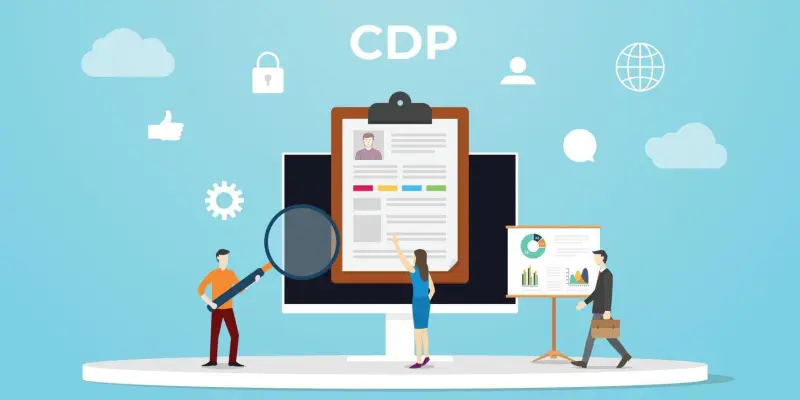
A Customer Data Platform (CDP) consolidates customer information from various sources into a single view, enabling retailers to tailor experiences to individual needs and preferences. However, many businesses struggle with siloed data, making manual data piecing laborious and hindering effective personalization. By unifying customer data, companies can overcome these challenges and gain a comprehensive understanding of their audience, leading to more informed decision-making and better-targeted marketing efforts.
The benefits of unified customer data extend beyond personalized marketing. By having a single source of truth for customer information, businesses can enhance operations, streamline customer support, and improve inventory management. For instance, understanding customer preferences and purchase history allows for more accurate demand forecasting and inventory planning, reducing the risk of stockouts or overstock situations. Additionally, customer support teams can provide more efficient and personalized assistance by having access to comprehensive customer profiles, leading to higher customer satisfaction and retention rates.
Moreover, unified customer data supports advanced analytics and insights. By analyzing consolidated data, businesses can uncover trends, identify high-value customer segments, and predict future behaviors. These insights inform marketing strategies, product development, and overall business planning, ultimately driving growth and profitability. With a robust CDP, companies can leverage data-driven insights to stay agile in a rapidly changing market, continuously adapting to meet evolving customer needs and preferences.
Key Components of Omnichannel Personalization
Delivering personalized experiences across multiple channels requires the integration of several key components. Data collection is the first step, especially with limitations on cookie tracking making first-party data invaluable. Customers are more willing to share personal data if it enhances their shopping experience. Businesses like omnichannel retailer Jenni Kayne use this data to build lasting relationships with customers by offering personalized product recommendations, tailored promotions, and relevant content.
Marketing automation plays a crucial role in real-time personalization. Automation tools enable businesses to deliver consistent, relevant experiences without manual intervention, even across vast customer bases. Examples include SMS and email marketing campaigns, social media retargeting, and chatbot integrations. These tools can trigger personalized actions such as abandoned cart reminders, special offers, and product recommendations based on user behavior, driving engagement and conversions.
Omnichannel ordering systems further enhance personalization efforts by seamlessly integrating order data from various sales points, such as marketplaces, online stores, and physical stores. This holistic view of customer purchasing behaviors allows for more tailored future outreach. For instance, understanding a customer’s past purchases and preferences can inform personalized product recommendations and targeted marketing campaigns, ultimately driving repeat business and customer loyalty.
Overcoming Barriers to Omnichannel Personalization
Common challenges to omnichannel personalization include budget constraints, accessing and interpreting data, and internal company silos where teams do not share vital data. Overcoming these barriers is essential for successful personalization efforts. Investing in proper technology, such as a robust CDP and marketing automation tools, is a crucial first step. By allocating resources to the right technologies, businesses can streamline data collection, integration, and analysis, enabling more effective personalization.
Creating a unified data strategy is another key factor in overcoming barriers. A unified data strategy ensures that all customer data is consolidated and accessible across departments, facilitating collaboration and informed decision-making. Encouraging collaboration between teams, such as marketing, sales, and customer support, helps break down silos and fosters a more cohesive approach to personalization. Sharing insights and data across teams allows for a more comprehensive understanding of customer needs and preferences, driving more effective personalized experiences.
Moreover, addressing organizational barriers requires a cultural shift toward a customer-centric approach. Businesses must prioritize customer experience and invest in training and development to equip their teams with the skills and knowledge needed to implement effective personalization strategies. By fostering a culture that values data-driven decision-making and continuous improvement, companies can overcome internal challenges and drive successful omnichannel personalization efforts.
Measuring and Optimizing Personalization
A well-crafted personalization strategy consistently drives engagement and loyalty across all customer interactions. Key elements of a strong omnichannel personalization strategy include clear goals, targeted personas, and a streamlined toolset. Establishing clear goals—whether reducing acquisition costs, increasing conversions, or boosting return on ad spend (ROAS)—is crucial. These goals align team efforts and optimize resource allocation, ensuring every action supports the business’s main objectives.
Developing targeted personas is another vital aspect. Personas give businesses insight into their customers’ key demographics, behaviors, and motivations, allowing them to meet specific needs and preferences more effectively. For instance, guiding customers who abandon their carts due to high shipping costs to local pickup options can significantly improve conversion rates. Personas also enable more customized marketing strategies, like sending personalized product recommendations based on previous purchases or engagement patterns.
An effective personalization strategy should also include marketing automation tools. Automation enables real-time personalization for large customer bases, allowing businesses to deliver relevant content and offers based on user behavior without manual effort. Examples include SMS and email marketing, social media retargeting, and chatbot integrations that trigger personalized actions such as product recommendations, abandoned cart reminders, or special promotions.