

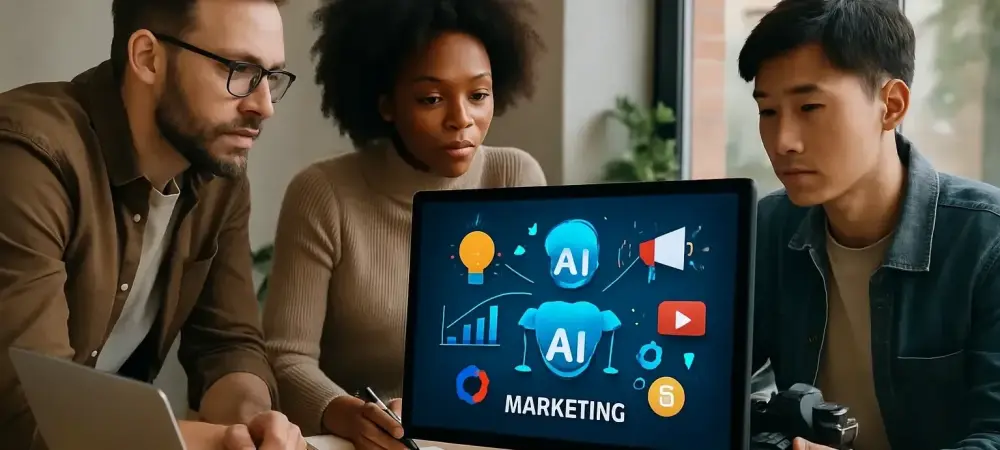
Welcome to an insightful conversation with Aisha Amaira, a renowned MarTech expert with a deep passion for merging technology with marketing. With her extensive background in CRM marketing technology and customer data platforms, Aisha has a unique perspective on how businesses can harness innovation to uncover critical customer insights. In this interview, we dive into the transformative shifts happening in digital marketing for 2025, exploring the growing influence of creators, the integration of AI in the creator economy, the rise of micro-influencers, and the push toward community-driven, value-focused content strategies. Join us as we unpack how brands are adapting to an ever-changing social media landscape with Aisha’s expert guidance.
How do you see the role of creators evolving in digital marketing as we head into 2025?
I think creators are becoming the heart of digital marketing strategies for many brands. They’re no longer just faces for a campaign; they’re storytellers, producers, and even strategists. Brands are recognizing that giving creators more autonomy in content production leads to more authentic and relatable material, which is critical in cutting through the noise on social platforms. It’s about trusting their deep connection with their audiences to craft messages that resonate on a personal level.
What unique benefits do brands gain when they allow creators more freedom in producing content?
When creators have creative freedom, brands often see content that feels less like an ad and more like a genuine recommendation. This builds trust with audiences who are tired of overly polished campaigns. Plus, creators know their followers’ preferences inside out, so they can tailor content in ways that traditional marketing teams might miss. It also saves time and resources since creators often handle scripting, filming, and editing themselves, streamlining the process while maintaining a high level of quality.
How does creator-generated content help address challenges like content fatigue on platforms like TikTok and Instagram?
Content fatigue is a real issue with users scrolling past repetitive or overly promotional posts. Creator-generated content helps because it often feels fresh and personal. Creators bring their unique style and voice, which keeps things dynamic and engaging. They’re also quick to adapt to trends on platforms like TikTok and Instagram, ensuring the content stays relevant. This approach cuts through the monotony and grabs attention in a way that traditional ads often can’t.
Why are brands increasingly focusing on long-term partnerships with creators instead of short-term campaigns?
Long-term partnerships are becoming a priority because they foster consistency and deeper trust with audiences. When a creator works with a brand over an extended period, their endorsements feel more credible, almost like a friend’s recommendation. It also allows for richer storytelling, as creators can weave a brand’s message into their content naturally over time, rather than forcing it into a one-off post that might feel out of place.
What specific advantages do these sustained collaborations offer over one-off campaigns?
Sustained collaborations build a stronger emotional connection with the audience. Over time, followers start associating the creator with the brand, which boosts loyalty and recall. They also give brands a chance to co-create with creators on bigger projects, like product launches or community initiatives. From a practical standpoint, long-term partnerships can be more cost-effective, as they reduce the constant need to onboard new creators for every campaign.
How is AI currently shaping the creator economy, especially in terms of content creation?
AI is a game-changer in the creator economy right now. It’s empowering creators and brands to brainstorm ideas, generate captions, and even edit videos at an unprecedented scale. Tools powered by AI can analyze trends and suggest content formats that are likely to perform well, saving hours of guesswork. It’s also helping personalize content for different audience segments, making campaigns more targeted while maintaining that human touch creators bring.
What challenges does AI introduce to the creator space, particularly around attribution or platform dynamics?
One big challenge with AI is attribution—figuring out who or what deserves credit for a campaign’s success. When AI tools are heavily involved, it can be tricky to measure whether the results came from the creator’s authenticity or the tech’s optimization. There’s also the issue of platform volatility; AI might optimize content for an algorithm that changes overnight, leaving brands and creators scrambling. Plus, there’s a risk of over-reliance on AI, which could dilute the unique, human element that makes creator content so special.
Why are micro-influencers and nano-influencers gaining so much traction with marketers lately?
Micro- and nano-influencers are winning over marketers because they often have incredibly loyal, niche audiences. Unlike mega-influencers, their followers feel like a tight-knit community, which translates to higher trust and engagement. Brands are realizing that these smaller creators can drive meaningful conversations and conversions, especially for products or services that cater to specific interests or demographics, often at a fraction of the cost of larger influencers.
How does the engagement from micro-influencers compare to bigger influencers, and why is that significant for brands?
Engagement rates for micro-influencers are typically much higher than for larger influencers. While a big influencer might have millions of followers, only a small percentage might interact with their content. Micro-influencers, on the other hand, often see double-digit engagement percentages because their audience feels a personal connection. For brands, this matters because engagement drives action—whether it’s likes, comments, or purchases—and that’s where real ROI comes from, not just reach.
What’s behind the growing demand for practical, value-driven content over highly stylized or aesthetic posts?
Consumers today are looking for content that adds value to their lives, especially with economic pressures like inflation influencing their priorities. People want tips, tutorials, or insights they can use—think skill-building videos or budget-friendly hacks—over purely aspirational or flashy posts. There’s a shift toward authenticity and utility on social media, where users are seeking content that feels relevant to their day-to-day challenges rather than just looking pretty.
How can brands strike a balance between creating useful content and keeping it captivating for their audiences?
It’s all about blending value with storytelling. Brands can create content that solves a problem or teaches something while still being visually appealing or emotionally engaging. For instance, a tutorial video can have a relatable narrative or a fun twist that keeps viewers hooked. Working closely with creators helps here—they know how to package practical content in a way that fits their style and keeps their audience entertained, ensuring it doesn’t feel dry or overly instructional.
What strategies are proving effective for brands to stay visible amidst the constant changes in social media algorithms?
Brands are getting smarter about diversifying their approach. They’re focusing on creating content that sparks genuine interaction, like polls or challenges, because engagement often trumps algorithmic changes. Collaborating with creators who understand platform nuances is also key—they can pivot quickly to trending formats. Additionally, investing in user-generated content encourages organic sharing, which can boost visibility even when algorithms shift, as it’s seen as more authentic by platforms and users alike.
Looking ahead, what is your forecast for the role of creators and technology in shaping digital marketing over the next few years?
I believe creators will continue to be central to digital marketing, evolving into even more integral partners for brands, perhaps as co-founders or long-term ambassadors. Technology, especially AI, will further amplify their impact by personalizing content at scale and uncovering deeper audience insights. However, the challenge will be maintaining authenticity as tech becomes more pervasive. I think we’ll see a stronger focus on community-building and interactive content, with brands and creators working together to create experiences that feel less transactional and more meaningful, setting the stage for a truly connected marketing future.