

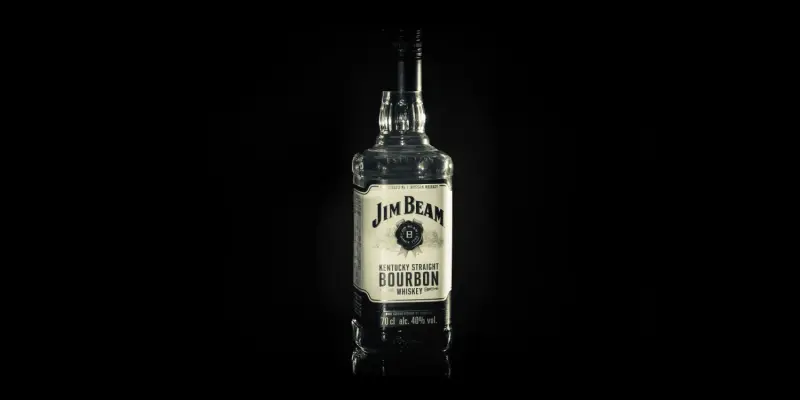
In an era marked by economic struggles, Jim Beam has strategically adapted to appeal to budget-conscious consumers by leveraging Jim Beam Black, a 7-year-aged bourbon, as an accessible luxury. Instead of attempting to rebrand this distinguished product exclusively, the company aspires to expand its customer base, thereby enhancing the brand’s versatility. As part of its 2024 marketing approach, the focus lies on music, sports, and novel offerings, building upon the “People are Good For You” campaign.
Marketing Strategy Emphasizing Affordability and Luxury
The Marriage of Luxury and Accessibility
Jim Beam Black is priced at roughly $30, nearly double the cost of its standard offering. However, it delivers a premium experience that doesn’t break the bank. The 2024 relaunch of Jim Beam Black captured significant attention through a National Football League (NFL)-centric campaign featuring Keegan-Michael Key, boosting the brand’s visibility. The campaign’s impact was evident with the swift sell-out of the 7 Stages of Defeat care packages. John Alvarado, the U.S. chief brands officer at Suntory, underscored the company’s focus on enhancing marketing efforts targeting individuals celebrating special occasions with loved ones. This strategy underscores the balance between offering an elevated product while maintaining accessibility, reinforcing the brand’s commitment to inclusivity rather than exclusivity.
Broadening Consumer Engagement Through Campaigns
Jim Beam’s strategic institutional focus is evident in its innovative approach to broadening consumer engagement, especially visible in targeted campaigns. The partnership with the NFL and the use of celebrity endorsements illustrate a calculated effort to appeal to a diverse audience. By aligning with widely followed sports events and figures such as Keegan-Michael Key, Jim Beam Black has been able to resonate with consumers across different demographics. This approach not only increases brand recognition but also positions Jim Beam Black as a versatile choice for celebrations of all scales. The emphasis on shared experiences and connections—whether through sports, music, or personal milestones—strengthens the emotional bond between the consumer and the brand, reinforcing the perception of Jim Beam Black as a go-to option for quality and enjoyment.
Adapting to Industry Shifts and Economic Uncertainties
Navigating Sales Declines and Economic Pressures
The American whiskey industry has witnessed notable shifts, particularly a decline in sales following the COVID-19 pandemic, coupled with economic uncertainties. These challenges have been exacerbated by potential retaliatory tariffs from other nations, such as Canada. Albert Schmid, a seasoned chef-instructor, has voiced concerns that continued sales declines could result in workforce reductions, highlighting the precarious outlook for the industry. Despite these pressures, Jim Beam is actively investing in strategies that aim to buffer these challenges, focusing on adapting to a shifting economic environment while maintaining consumer loyalty. By addressing the broader economic landscape and its impact on consumption patterns, the brand seeks to implement resilient strategies to weather these turbulent times.
Investing in Digital and E-commerce Innovations
Despite these market challenges, Jim Beam’s commitment to digital and e-commerce channels remains unwavering, as these avenues form the cornerstone of its strategic approach. The brand’s innovative engagement strategies have been notably successful, such as the QR code activation during an NFL game, which resulted in a significant 7.5% boost in sales year-over-year. This digital acceleration enables Jim Beam to connect with consumers more personally and dynamically, tailoring experiences to suit evolving consumer preferences. John Alvarado emphasizes the brand’s digital-centric focus, establishing that investing in these technologies is crucial not only for current engagement but also for paving the way for future growth. By prioritizing digital initiatives, Jim Beam solidifies its commitment to staying ahead in an ever-evolving marketplace characterized by rapid technological advancements and shifting consumer behaviors.
Future Trajectories for Jim Beam
During a time when economic challenges are prevalent, Jim Beam has adeptly adjusted its strategies to attract budget-minded consumers by promoting its Jim Beam Black, a bourbon aged for seven years, as an affordable luxury. Rather than solely repackaging this prestigious spirit, the company aims to widen its appeal and diversify its customer base. This broader approach seeks to enhance the brand’s flexibility and reach beyond its traditional audience. The strategy for 2024 centers on emphasizing music, sports, and introducing innovative products, all while building on the successful “People are Good For You” campaign. This campaign has resonated with consumers by highlighting the positive experiences that come from connecting with others over a fine glass of bourbon. By integrating these elements, Jim Beam strives to solidify its position in the market, balancing between tradition and modern consumer desires, making luxury more approachable without compromising the quality that the brand is known for.