

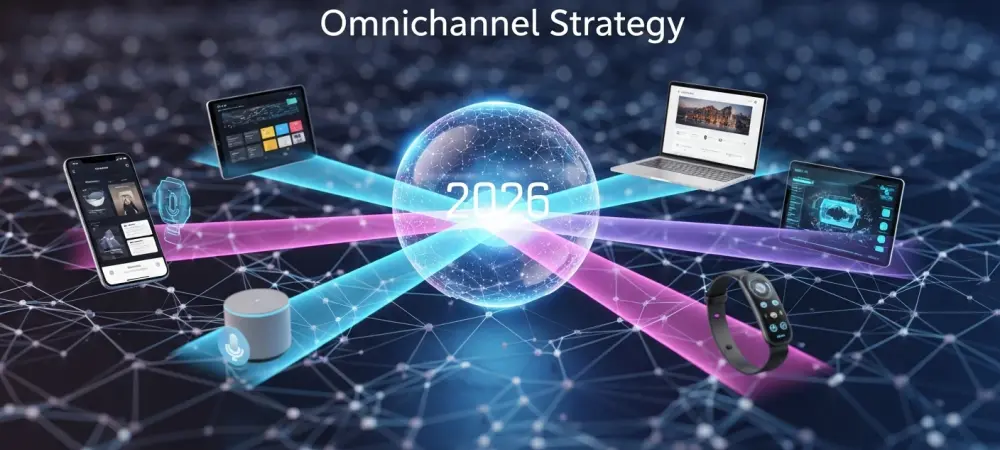
The current retail environment in 2026 demands more than just a presence on multiple platforms; it requires a sophisticated synchronization of every customer touchpoint to ensure that brand interactions remain fluid regardless of the physical or digital medium chosen by the shopper. Consumer behavior has shifted toward a non-linear path where discovery often happens on a social media algorithm, research continues on a dedicated mobile application, and the final transaction might occur within a physical storefront or through a voice-activated assistant. This fragmentation makes it increasingly difficult for brands to maintain a single, cohesive narrative without a robust underlying framework that connects inventory, customer data, and marketing efforts in real time. Businesses that fail to bridge these gaps find themselves struggling with dissatisfied customers who encounter mismatched pricing, unavailable stock, or fragmented loyalty rewards that do not translate across different buying environments. Establishing a seamless strategy is no longer a luxury for high-end retailers but a baseline expectation for any organization seeking to maintain relevance in a market where convenience and consistency are the primary drivers of brand loyalty.
1. The Evolution: From Disconnected Sales to Unified Commerce
A modern omnichannel strategy is fundamentally a method for linking every sales, marketing, and service platform into a single, smooth experience for the buyer, ensuring that the brand identity remains identical across all interactions. In the past, retailers often operated in a multichannel capacity, where they sold products in different places, such as a website and a physical store, but failed to link the backend data effectively. This resulted in silos where the online team had no visibility into what was happening on the warehouse floor or in the retail locations, leading to operational inefficiencies and customer frustration. Omnichannel moved the needle further by coordinating the experience so it felt the same across all platforms, yet it often relied on fragile connectors between separate systems. Today, the industry has moved toward unified commerce, which utilizes a single platform to manage all backend data, stock, and customer information, creating a definitive source of truth that powers every interaction from a single hub.
Unified commerce represents the pinnacle of this evolutionary path by ensuring that there is no distinction between digital and physical data streams, allowing for a level of agility that was previously impossible. When a retailer employs a unified architecture, every transaction—whether it occurs through a marketplace, a social media “buy” button, or a point-of-sale terminal—updates the same central ledger instantly. This prevents the common pitfall of overselling items that are already out of stock or failing to recognize a high-value customer because they chose to shop through a different medium than their previous visit. Furthermore, this architectural shift allows for more advanced analytics, as businesses can track the entire lifecycle of a customer across every possible touchpoint. By moving away from fragmented legacy systems and toward a centralized model, companies can reduce the total cost of ownership for their technology stacks while simultaneously increasing the speed at which they can deploy new features or expand into emerging digital territories.
2. Strategic Importance: Why Holistic Integration Is Essential Today
Modern shoppers, particularly those within the Gen Z demographic, have perfected the art of blending social media discovery with in-person shopping, making the distinction between “online” and “offline” almost entirely irrelevant. Recent market data indicates that a significant majority of consumers research products on platforms like TikTok or Instagram and then visit a physical store to interact with the product before making a final decision. If the transition between these environments is not handled with precision, the brand risks losing the sale to a competitor who offers a more integrated experience. Friction points such as incorrect stock levels shown on a website or the inability to return an online purchase at a local retail branch are major deterrents that damage consumer trust. In an era where the cost of customer acquisition continues to rise, retaining existing buyers through a frictionless experience is the most effective way to ensure long-term profitability and sustainable business growth.
Beyond mere customer satisfaction, connected systems lead to significantly better cost management and faster organizational growth by eliminating the manual labor associated with reconciling disparate data sets. When inventory is managed in real-time across all warehouses and storefronts, businesses can optimize their fulfillment strategies, reducing shipping distances and minimizing the need for deep discounts on overstocked items. Furthermore, a unified approach to loyalty rewards ensures that customers feel valued regardless of how they choose to interact with the brand, which directly correlates with higher lifetime value. The ability to provide a consistent promotional strategy is another critical advantage, as disjointed sales events across different channels often lead to confusion and a perceived lack of brand integrity. By prioritizing a holistic integration, retailers can create a resilient operational foundation that is capable of adapting to the rapid shifts in consumer technology and shopping habits that define the current marketplace.
3. Core Pillars: Essential Elements of a Connected Strategy
The first essential element of a successful omnichannel strategy involves the total linking of sales platforms, including online stores, physical shops, social media commerce hubs, and third-party marketplaces. This connectivity ensures that the product information, pricing, and brand messaging remain uniform, regardless of where the customer chooses to browse. Centralized stock tracking serves as the second pillar, providing real-time visibility of inventory across the entire supply chain to prevent the disaster of overselling or missing a potential sale due to localized stockouts. By having a clear view of where every unit is located, retailers can leverage their physical stores as mini-distribution centers, offering flexible fulfillment options such as “buy online, pick up in-store” or “ship from store” to meet the demand for rapid delivery. This operational flexibility is only possible when the backend systems are fully integrated and capable of processing complex fulfillment logic without manual intervention. The third and fourth pillars focus on the human element and the hardware that facilitates these interactions, specifically single customer records and modern in-store technology. Sharing purchase history and preferences across all channels allows staff members to provide a level of personalized service that was once reserved for boutique luxury environments. When a retail associate can see a customer’s online wish list or previous return history, they can make more informed recommendations and resolve issues with greater efficiency. This requires the use of modern Point of Sale (POS) systems that talk directly to the online store and central database, rather than functioning as isolated cash registers. These systems allow for a seamless flow of data that powers everything from personalized marketing emails to automated replenishment orders. When these pillars are firmly in place, the retailer can move away from reactive management and toward a proactive strategy that anticipates customer needs before they are even articulated.
4. Operational Foundations: Mapping the Journey and Evaluating Silos
The initial phase of building an omnichannel strategy requires a comprehensive mapping of the full path of the buyer to identify every task a customer performs, from the moment they discover a product to the final return process. This exercise involves looking at the brand through the eyes of the consumer and pinpointing areas where the process feels slow, difficult, or disconnected. By identifying these specific friction points, the organization can prioritize its resources to fix the issues that have the greatest impact on the customer experience. This mapping should not only include the successful purchase path but also the “edge cases,” such as how a customer handles a warranty claim or how they interact with customer support across different time zones and platforms. Following the journey mapping, it is necessary to conduct a rigorous evaluation of existing tools and information silos to determine where data is getting stuck within the organization. Many businesses are surprised to find that their e-commerce platform, POS system, and inventory management software operate on different data standards, making real-time synchronization nearly impossible without significant manual effort. This audit should check whether stock levels and customer details update everywhere at once or if there is a lag that could lead to operational errors. Identifying these silos is the first step toward breaking them down, as it highlights the specific software gaps that need to be addressed through integration or replacement. Without a clear understanding of where the data flow is interrupted, any attempt to build an omnichannel experience will be built on a shaky foundation, leading to inconsistent results and ongoing technical debt that hampers future innovation.
5. Tactical Execution: Prioritizing Scenarios and Unifying Data
Retailers must avoid the temptation to change everything at once and should instead focus on the most valuable shopping scenarios that offer the highest return on investment and the greatest benefit to the customer. For many brands, this means prioritizing features like in-store returns for online orders or shared loyalty points that can be earned and redeemed across all physical and digital locations. By selecting a few high-impact use cases, the organization can demonstrate the value of the omnichannel approach to stakeholders and build momentum for more complex integrations later on. This phased approach allows for a more manageable implementation schedule and ensures that the most critical customer needs are met first. Once these primary scenarios are functioning smoothly, the business can then expand into more advanced offerings, such as personalized in-store appointments based on online browsing behavior or augmented reality experiences that bridge the gap between digital discovery and physical trial. The success of these scenarios depends entirely on the integration of stock, sales systems, and buyer records into a “single source of truth” where all data lives together in a unified environment. This ensures that a sale made on a marketplace at midnight is immediately reflected in the inventory counts seen by a store manager opening the retail location the following morning. Establishing this centralized data hub allows for the automation of complex workflows, such as routing an order to the warehouse closest to the customer or triggering a specific follow-up email based on an in-store interaction. Beyond operational efficiency, this unification provides a much clearer picture of the business’s overall health, as leaders can view consolidated reports that show performance across all channels in one dashboard. This level of visibility is essential for making informed decisions about product development, marketing spend, and physical expansion, as it removes the guesswork often associated with fragmented reporting structures and manual data reconciliation.
6. Implementation and Scaling: Training Staff and Iterative Testing
Creating a seamless omnichannel strategy is as much about people and processes as it is about technology, which makes it vital to educate staff and establish clear local procedures for the new workflows. Employees at every level of the organization need to understand how to handle tasks that cross traditional channel boundaries, such as processing a “ship-from-store” package or looking up a customer’s online order history to facilitate a quick exchange. Without proper training and documentation, even the most advanced technical systems will fail to deliver the desired results if the staff is unable to use them effectively. Creating clear guides and providing hands-on training sessions helps to build confidence among the frontline teams, ensuring they can provide the high level of service that the omnichannel strategy is designed to enable. Furthermore, staff feedback should be encouraged, as those on the ground often have the best insights into how new processes are working in practice and where further refinements may be needed. Before rolling out the strategy to the entire business, it is prudent to test the model in a controlled environment, such as a single store or a specific geographic region, to track results and make necessary adjustments. This testing phase allows the organization to measure success through concrete metrics like sales growth, customer satisfaction scores, and operational efficiency gains while identifying any unforeseen technical or procedural hurdles. By analyzing the data from this pilot program, the business can refine its approach and ensure that the full-scale rollout is as much as possible. This iterative process of testing, learning, and expanding reduces the risk associated with large-scale organizational change and allows for the continuous improvement of the omnichannel experience. Success in the pilot phase provides the evidence needed to justify further investment and serves as a blueprint for the rest of the company to follow as the strategy is implemented across all locations and digital platforms.
7. Infrastructure Requirements: The Tech Stack for Seamless Operations
To succeed in the current competitive landscape, retailers need a robust tech stack that includes connected e-commerce and POS software as its primary foundation. These two systems must be able to communicate flawlessly, sharing data on products, pricing, and transactions in real time to ensure that there is no discrepancy between the online and physical storefronts. When the POS system is an extension of the e-commerce platform, it eliminates the need for complex third-party integrations and reduces the likelihood of data corruption or synchronization errors. This connectivity allows for a more agile response to market changes, such as the ability to launch a flash sale across all channels simultaneously or to update product descriptions in one place and have them reflected everywhere. The goal is to create a technology environment where the boundaries between different sales channels are invisible to both the customer and the internal team managing the operations. In addition to sales software, real-time inventory management and centralized customer relationship tools are non-negotiable requirements for a high-performing omnichannel strategy. An advanced inventory system provides the granular visibility needed to manage stock across multiple warehouses, retail stores, and even transit points, ensuring that every unit is accounted for and available for sale. Meanwhile, a centralized customer relationship management (CRM) tool aggregates data from every interaction, allowing the brand to build a comprehensive profile of each shopper. This information can then be used to power personalized marketing campaigns, loyalty programs, and customer service interactions that feel relevant and timely. Finally, shared fulfillment and return systems ensure that the logistics of the business are as flexible as the sales channels themselves, allowing customers to choose the delivery and return methods that best suit their lifestyles. Together, these technologies form the infrastructure necessary to support a truly seamless customer journey that drives long-term success.
8. Strategic Realization: Actionable Steps for Lasting Impact
Establishing a seamless omnichannel strategy in 2026 required a fundamental shift in how organizations viewed the relationship between their digital and physical assets. Successful implementation was achieved by those who prioritized the unification of data streams and the elimination of operational silos early in the process. Leaders focused on creating a “single source of truth” for inventory and customer information, which allowed them to respond to shifting consumer demands with unprecedented speed and precision. By integrating Point of Sale systems directly with e-commerce platforms, these businesses removed the technical barriers that previously hindered a cohesive brand experience. Furthermore, the emphasis on training and empowering frontline staff ensured that the human element of the retail journey remained a competitive advantage, even as automated systems handled the bulk of the data processing and logistical coordination.
The transition to this model was facilitated by a disciplined approach to testing and iteration, where high-value scenarios were perfected in pilot programs before being expanded across the enterprise. This allowed for the identification of potential friction points in a controlled setting, minimizing the impact on the broader customer base and ensuring a more stable rollout. Moving forward, the focus shifted toward maintaining this agility by continuously auditing the tech stack and remaining open to the integration of new sales channels as they emerged. The most effective strategies were those that viewed omnichannel not as a static destination, but as a dynamic framework capable of evolving alongside the consumer. By staying committed to the principles of consistency, convenience, and connectivity, retailers were able to secure a loyal customer base and drive sustainable growth in an increasingly complex and interconnected global marketplace.