

Strategic marketing in 2026 requires formalizing campaign objectives and negotiating legal usage rights for all creator-produced digital assets. This shift marks the definitive end of the “wild west” era of social media promotion, where brands once relied on haphazard posts and uncoordinated influencer shout-outs. Today, the digital marketplace is so saturated with sponsored content that a franchise can no longer survive on organic visibility alone. The sheer volume of “white noise” generated by competing messages means that every piece of content must be part of a larger, more sophisticated infrastructure. Franchise systems are now bridging the gap between broad national brand identity and granular, hyper-local execution by treating digital presence as a meticulously managed asset. This evolution has moved from chasing viral moments toward building a scalable framework where influence is measured by physical foot traffic. By 2026, the industry has recognized that a storefront is only as strong as its local digital footprint, necessitating a total transformation in how marketing budgets are managed.
The Professionalization of Creator Partnerships
Treating Influencers as Strategic Paid Media
The distinction between a casual influencer mention and a professional brand sponsorship has become absolute in the current franchise landscape. Leading organizations have completely moved away from the outdated practice of “product gifting,” realizing that sending free samples in exchange for the hope of a post is no longer a viable business model. Instead, franchise brands are now approaching these partnerships with the same rigor applied to television or radio buys. This professionalization involves the implementation of comprehensive legal agreements that secure long-term usage rights, allowing corporate teams to repurpose creator content across multiple platforms and advertisements. By 2026, influencer collaborations are treated as standardized advertising investments, integrated into the core of the digital media strategy. This methodical approach ensures that every partnership is aligned with specific, pre-defined campaign objectives and performance benchmarks that justify the expenditure of corporate resources.
Legal Frameworks: Ensuring Content Ownership
The shift toward professionalization has also introduced a critical focus on legal frameworks and content ownership within the franchise sector. In 2026, it is no longer sufficient to merely appear in a creator’s feed; brands must ensure they have the contractual right to utilize that content across their entire marketing ecosystem. Negotiating these usage rights has become a primary responsibility for corporate marketing departments, as they seek to build robust digital asset libraries that can be shared across hundreds of locations. This legal rigor protects the brand from potential copyright disputes while maximizing the value of every partnership. By securing the rights to repurpose high-quality creator content in targeted ads, email campaigns, and website banners, franchises can maintain a consistent and professional image. This approach transforms a single social media post into a versatile marketing asset that can be used to drive conversions long after the original content was first published.
Localization and the New Community Pillar
Neighborly Marketing: The Local Pillar
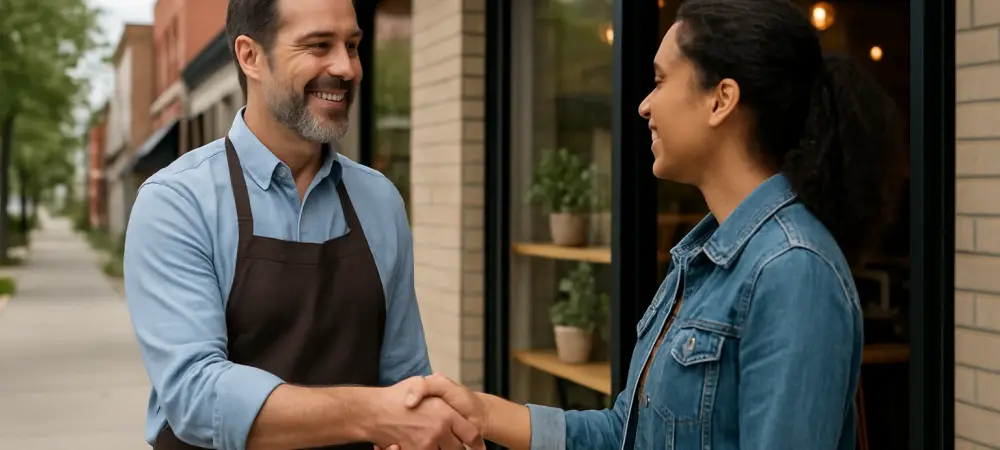
While broad national awareness campaigns provide a necessary foundation for brand recognition, the primary competitive battlefield has shifted to a much smaller scale. Success now hinges on the ability of a franchise to dominate the immediate one-to-two-mile radius surrounding its physical location. This “neighborly” marketing mandate prioritizes direct human connection and local relevance over broad digital reach. In 2026, the goal for any individual franchisee is to become a recognized pillar of the community, much like a local high school coach or a small business owner of the past. This requires moving beyond the digital screen to establish a physical presence at community events, local charities, and regional gatherings. By focusing on hyper-local engagement, franchises can foster a sense of loyalty that national advertisements simply cannot replicate. This strategy treats the local population not just as potential customers, but as neighbors whose trust must be earned.
Paid Engines: Beyond Organic Reach
The romanticized notion that micro-influencers can drive significant results through purely organic reach has been largely debunked by the realities of current social media algorithms. In 2026, the digital environment has transitioned into a strictly “pay-to-play” landscape where organic visibility is severely limited for business-related content. Even the most engaging and authentic post from a creator with a small, dedicated following often fails to reach more than a tiny fraction of its intended audience without financial backing. Consequently, the strategic focus has shifted toward identifying high-performing content from a few select local creators and amplifying it through hyper-targeted advertising. This “paid engine” approach allows brands to use the authentic voice of a local influencer while ensuring the content reaches potential customers within a specific proximity. This methodology turns small-scale content into a major driver of store traffic by prioritizing geographic relevance over raw follower counts.
Systematizing Content and Measuring Success
Scalable Management of User-Generated Content
User-generated content remains the most potent form of social proof available, as authentic reviews and photos from real customers carry more weight than any corporate advertisement. However, the sheer scale of a franchise network creates significant logistical hurdles when it comes to capturing and utilizing this content effectively. In 2026, corporate marketing teams have taken on the role of central curators to manage this influx of material from hundreds of locations. Many franchise systems have implemented “shared content libraries” that act as a central repository for approved digital assets. Corporate teams review customer-submitted content, verify its quality, and secure all necessary rights before making it available to the entire network. This collaborative model significantly reduces the burden of content creation for local owners, allowing them to focus on running their businesses while still maintaining a professional and engaging digital presence.
Strategic Quantification: Measuring Real Impact
The era of valuing “vanity metrics” such as likes, comments, and general engagement has come to an end, as franchise brands now demand concrete evidence of bottom-line impact. By 2026, marketing professionals are focused exclusively on metrics that can be directly tied to revenue and physical foot traffic. This shift toward strategic quantification has led to the widespread adoption of trackable links, location-specific promotional codes, and digital offers that can only be redeemed in-store. These tools allow brands to follow the customer journey from the initial digital interaction to the final point of sale with unprecedented accuracy. By analyzing this data, franchise systems can determine exactly which influencers, creators, and content types are delivering the highest return on investment. This focus on measurable outcomes ensures that marketing budgets are no longer spent on broad awareness campaigns that fail to result in tangible business growth or verifiable customer acquisition.
The Strategic Path Forward
The transformation of franchise marketing reached a critical juncture where the integration of professional creator strategies and hyper-local engagement became the standard for survival. It was no longer enough to simply participate in social media; brands had to master the complex interplay between national identity and neighborhood relevance. The shift away from organic reliance toward a “paid engine” model provided a clear framework for driving measurable store traffic, while centralized content libraries ensured that brand consistency remained intact across vast networks. For franchises looking to maintain their momentum, the path forward required a commitment to data-driven decision-making and a rejection of vanity metrics. The successful organizations were those that treated their marketing budgets as strategic investments, prioritizing legal transparency and localized authenticity. These steps established a foundation for sustainable growth and a deeper connection with the modern consumer through precision-targeted digital campaigns.