

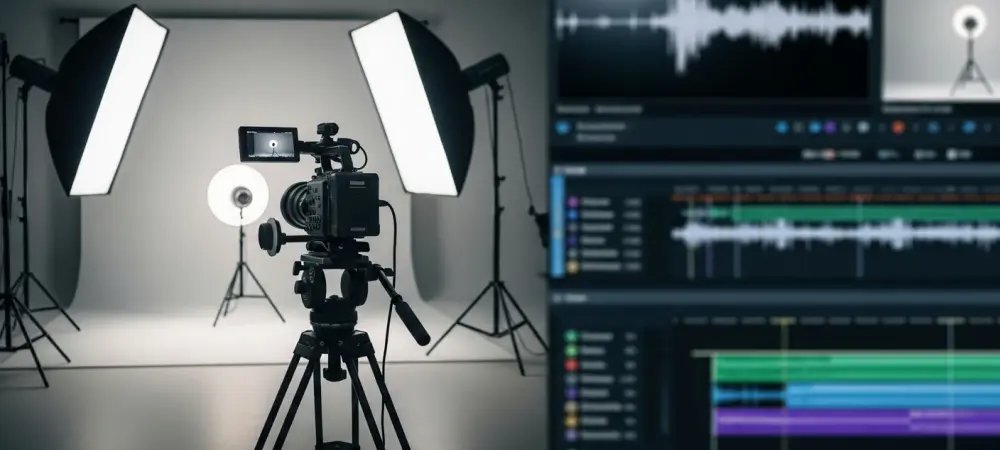
The rapid convergence of high-speed connectivity and sophisticated display technology has fundamentally altered how recipients interact with their digital correspondence today. As attention spans continue to fragment under the weight of an ever-expanding digital ecosystem, the reliance on static imagery and lengthy text blocks has become a liability for brands seeking to maintain relevance. The modern inbox is no longer a simple repository for text-based information; it has evolved into a dynamic portal where visual storytelling dictates the success or failure of a marketing campaign. Consequently, the integration of video within email strategies serves as a vital bridge between a brand’s message and a consumer’s desire for immediate, engaging, and digestible content.
This shift represents a significant departure from traditional methodologies, moving toward a model where motion is the primary driver of engagement. The current year has solidified the role of video as the most effective tool for capturing the fleeting focus of a subscriber, providing a sense of depth and personality that words alone struggle to convey. For those looking to master the complexities of modern outreach, understanding the nuances of video email marketing is essential. This guide provides a comprehensive framework for navigating this landscape, ensuring that every sent message resonates with the technical and aesthetic expectations of a contemporary audience.
The Evolution of Inbox Engagement Through Motion
The digital landscape of 2026 marks a turning point where static communication no longer suffices to capture consumer attention. As inboxes become increasingly crowded with competing offers and automated notifications, the strategic integration of video content has emerged as the premier method for brands to cut through the noise. This trend is driven by the realization that motion naturally draws the human eye, creating an instinctive pause in the scrolling behavior of most users. By replacing or supplementing traditional layouts with dynamic video elements, marketers are finding that they can communicate complex value propositions in a fraction of the time required by text.
The transition of video email marketing from a high-end luxury to a fundamental necessity reflects a broader change in how information is prioritized by recipients. Historically, video was viewed as a heavy, difficult-to-implement feature that often hindered deliverability or user experience. However, current technological standards and streamlined hosting solutions have removed these barriers, allowing brands of all sizes to enhance their outreach. The primary objective today is to improve click-through rates and foster deeper emotional connections with subscribers, turning a standard promotional message into a memorable brand experience.
Furthermore, the rise of interactive elements has redefined what it means to be an engaged subscriber. In the current market, users expect a seamless transition from the email body to a rich media environment without experiencing lag or technical glitches. Brands that successfully incorporate motion into their campaigns are not just following a trend; they are responding to a fundamental shift in consumer behavior. This evolution demonstrates that the future of digital communication lies in the ability to merge the directness of email with the persuasive power of visual media, creating a hybrid format that is both efficient and highly impactful.
Why Visual Storytelling Is the New Standard for Email
The shift toward video-centric emails is not merely a creative trend but a response to shifting consumer psychology and technical maturation. In an era dominated by short-form social media, users now expect the same dynamic, immersive experiences within their professional and personal inboxes. This psychological shift means that the barrier to entry for text-heavy emails has risen significantly, as consumers are conditioned to process information through rapid visual sequences. By leveraging video, brands move beyond the limitations of text, allowing for a multifaceted transmission of brand personality, tone, and value propositions that static imagery simply cannot replicate.
This evolution reflects a broader industry movement toward humanizing digital interactions through sight and sound. When a subscriber sees a face or hears a voice within an email, the perceived distance between the brand and the consumer shrinks, fostering a sense of authenticity and trust. In 2026, the competitive advantage belongs to those who can articulate their mission through compelling narratives rather than just bulleted lists of features. Visual storytelling provides a canvas for brands to demonstrate their values in real-time, making the communication feel less like a transaction and more like a conversation.
Moreover, the technical infrastructure supporting email has reached a level of stability that makes high-quality video integration feasible for a global audience. Improvements in mobile processing power and network speeds ensure that video elements load almost instantaneously, removing the friction that once plagued early attempts at rich media marketing. As a result, the standard for a professional email campaign has been elevated; a lack of motion is now often interpreted as a lack of innovation. This creates a powerful incentive for marketers to adopt video as a core component of their communication strategy to remain competitive in a saturated market.
Strategic Implementation: A Step-by-Step Guide to Video Email Integration
1. Planning Your Video Content Format: Establishing Creative Goals
Before hitting record, marketers must determine which video style aligns with their specific campaign goals. Success in 2026 depends on a clear understanding of the intended audience and the specific action that the video is designed to provoke. A mismatch between the video format and the campaign objective can lead to confusion and high bounce rates. Therefore, the first step in any successful strategy involves a rigorous evaluation of the content’s purpose, whether it is to inform, entertain, or drive immediate sales.
Selecting Between High-Production and Authentic UGC
Marketers should decide whether a campaign requires a polished brand film or the relatable, high-trust appeal of user-generated content. High-production videos are ideal for major product launches or brand identity overhauls where visual excellence is paramount to establishing authority. These films often use professional lighting, scripted narratives, and high-fidelity sound to create a premium feel. Conversely, user-generated content (UGC) provides a raw and authentic perspective that often resonates more deeply with younger demographics who value transparency over perfection.
Matching Video Length to Subscriber Attention Spans
Optimizing the message involves a careful calibration of video length, ensuring that the content respects the recipient’s time while delivering a complete thought. Promotional clips intended to spark interest should ideally remain under 30 seconds to maximize completion rates within the inbox environment. In contrast, educational content or deep-dive tutorials can afford to be longer, provided the value is clearly stated at the outset. Balancing brevity with substance is a critical skill that determines whether a subscriber stays engaged or moves on to the next email.
2. Executing Technical Best Practices for Maximum Deliverability: Ensuring Seamless Access
Ensuring your video actually reaches the inbox requires navigating the technical constraints of various email clients. Despite the advancements of 2026, different platforms still handle video files with varying degrees of success, making a universal approach difficult. The goal is to provide a consistent experience that looks professional regardless of whether the recipient is using a desktop client or a mobile application. Technical discipline in this stage prevents the email from being flagged as spam or appearing broken upon delivery.
Using the Thumbnail-to-Link Model
One of the most effective ways to avoid spam filters is by using high-quality static images or animated GIFs with a Play button overlay that links to external hosting. This model simulates the appearance of an embedded video without the heavy file size or security risks associated with scripts. When a user clicks the thumbnail, they are instantly directed to a landing page where the video plays automatically. This approach ensures 100% deliverability while still providing the visual cues that encourage users to engage with the video content.
Hosting on Reliable Third-Party Platforms
Leveraging professional platforms such as YouTube, Vimeo, or specialized commerce messaging services ensures fast loading speeds and high-quality playback for the end user. These platforms provide the necessary bandwidth and global content delivery networks to handle large volumes of traffic without lag. Furthermore, using external hosting allows marketers to gather detailed analytics on viewer behavior that are not typically available within a standard email platform. This separation of the email body and the video file is essential for maintaining the performance and integrity of the overall campaign.
3. Optimizing for Mobile and Accessibility Standards: Reaching Every User
With mobile opens dominating the market, video content must be inclusive and technically responsive to accommodate a diverse range of devices and user needs. A video that looks great on a 27-inch monitor may be completely illegible on a smartphone screen if not properly optimized. Additionally, accessibility is no longer an afterthought; it is a legal and ethical requirement for modern brands. Ensuring that everyone can consume the content is vital for maximizing the reach and impact of any email marketing initiative.
Designing for Vertical and Small-Screen Viewing
Since the vast majority of subscribers consume email on their phones, all visual elements and text overlays must remain legible and impactful on smartphone screens. This often means adopting a vertical or square aspect ratio that maximizes the available real-time screen space. Marketers should focus on clear, bold visuals and avoid cluttered compositions that might lose their detail when scaled down. Testing video content across multiple mobile devices is an essential step in ensuring that the creative vision translates effectively to the palm of the user’s hand.
Incorporating Captions for Silent Playback and Inclusion
Adding subtitles or captions is a non-negotiable step to cater to users browsing in public spaces or those with hearing impairments. Many users keep their devices on silent mode while scrolling through emails, meaning the message will be lost entirely if it relies solely on audio. Clear, well-timed captions allow the viewer to follow the narrative even without sound, increasing the overall engagement time. This commitment to inclusion not only broadens the potential audience but also demonstrates a brand’s dedication to providing a high-quality experience for all subscribers.
4. Refining Campaigns Through Data-Driven Iteration: Measuring Success
The final step involves analyzing performance metrics to understand what resonates with a specific audience. In 2026, data is the primary tool for moving beyond guesswork and toward a predictable, high-ROI strategy. Without constant monitoring and adjustment, even the most creative video campaigns can become stagnant. By looking at how users interact with the content, marketers can identify patterns that inform future creative decisions, ensuring that every subsequent video is more effective than the last.
Monitoring Lift in Open and Click-Through Rates
Marketers must track the performance of subject lines containing the word video versus those without to quantify initial engagement. This simple A/B test provides immediate feedback on how much the promise of video content influences a subscriber’s decision to open an email. Beyond open rates, monitoring the click-through rate (CTR) on the video thumbnail reveals whether the visual presentation was compelling enough to drive action. These metrics serve as the baseline for evaluating the overall health and effectiveness of the video-integrated campaign.
Analyzing Conversion Patterns and Viewer Retention
Using heatmaps and watch-time data allows marketers to see exactly where users drop off, providing insights for refining future video scripts and placements. If a significant percentage of viewers stop watching after ten seconds, it suggests that the hook was not strong enough or the video was too slow to get to the point. Conversely, high retention rates indicate that the content is highly relevant to the audience’s interests. Analyzing these patterns helps in fine-tuning the balance between entertainment and information, leading to more efficient and persuasive marketing messages.
Core Pillars of a Successful 2026 Video Email Strategy
A successful video email strategy is built upon four essential pillars that ensure the content serves a strategic purpose beyond mere visual flair. The first pillar is engagement, which focuses on using video to boost open rates and sustain interest throughout the message. By providing dynamic content, brands can keep their audience’s attention longer than they could with static elements, creating a more fertile ground for the marketing message to take root. Engagement is the engine that drives the entire campaign forward.
The second and third pillars are conversion and trust. Conversion involves utilizing how-to guides and product teasers to turn initial interest into immediate purchase action. Video is particularly effective at demonstrating product functionality, which reduces consumer hesitation and speeds up the decision-making process. Trust is built by leveraging video testimonials and behind-the-scenes footage to create a sense of authenticity. When customers see real people and real processes, they feel more confident in their decision to support a brand, leading to higher long-term loyalty.
The final pillar is accessibility, which ensures that the message reaches 100% of the target audience regardless of their physical abilities or viewing environment. Prioritizing captions and responsive design is not just about compliance; it is about respecting the user’s context. A strategy that ignores these factors is effectively excluding a significant portion of its potential market. By anchoring every campaign in these four pillars, marketers can create a robust framework that delivers consistent results in an increasingly complex digital world.
Broader Implications for the Future of Digital Communication
The integration of video into email is a precursor to more interactive, AI-driven marketing experiences that will soon dominate the digital landscape. As the industry moves beyond the current standards, the focus will shift toward shoppable videos that allow users to make purchases directly within the email body. This level of frictionless commerce represents the next frontier of digital sales, where the gap between discovery and acquisition is virtually eliminated. Marketers who have already mastered basic video integration will be best positioned to take advantage of these emerging technologies.
Additionally, the rise of personalized video messages generated in real-time for individual subscribers will redefine the concept of 1-to-1 marketing. Using AI to insert a customer’s name or purchase history into a video clip creates a level of personalization that was previously impossible at scale. This tailored approach makes the communication feel unique and highly relevant, significantly increasing the likelihood of conversion. For industries ranging from e-commerce to SaaS, the challenge will lie in balancing this high-tech delivery with the authentic, human storytelling that consumers continue to crave.
Ultimately, the mastery of video email marketing is a requirement for any brand that wishes to define the next generation of customer loyalty. The ability to combine technical precision with creative empathy will be the deciding factor in which companies thrive in a motion-first economy. As digital tools become more sophisticated, the focus must remain on the human element of communication. Brands that use video to tell genuine stories while utilizing the latest delivery methods will not only see higher ROI but will also build lasting relationships with their audiences.
Final Recommendations for the Modern Marketer
Transforming email marketing through video was a journey that required a blend of creative vision and technical discipline throughout the preceding months. Marketers began by implementing small changes, such as adding animated GIFs to standard newsletters, which allowed them to gather initial data on subscriber preferences. This iterative approach proved essential, as it enabled teams to scale up to full video testimonials and product launches without overwhelming their technical resources. The primary goal throughout this process remained the ability to show rather than tell, ensuring that every message provided genuine value to the recipient.
Strategic planning and a focus on mobile optimization emerged as the most critical factors for success in this dynamic environment. Brands that prioritized the thumbnail-to-link model found that they could maintain high deliverability while still offering a rich media experience. Furthermore, the consistent use of captions and vertical design ensured that the content was accessible to the widest possible audience. These steps did not just improve performance metrics; they set a new standard for how brands interact with their customers in a professional and respectful manner.
In the end, those who successfully integrated video into their email strategy positioned themselves as leaders in the current market. They moved beyond the limitations of static communication and embraced a more vibrant, interactive form of engagement. By adopting these strategies, marketers turned every email sent into a dynamic opportunity for growth, fostering a deeper sense of trust and affinity with their subscribers. The transition to a video-first approach provided a clear roadmap for future success, proving that the most effective way to lead in a crowded digital space was through innovation and authentic storytelling.