

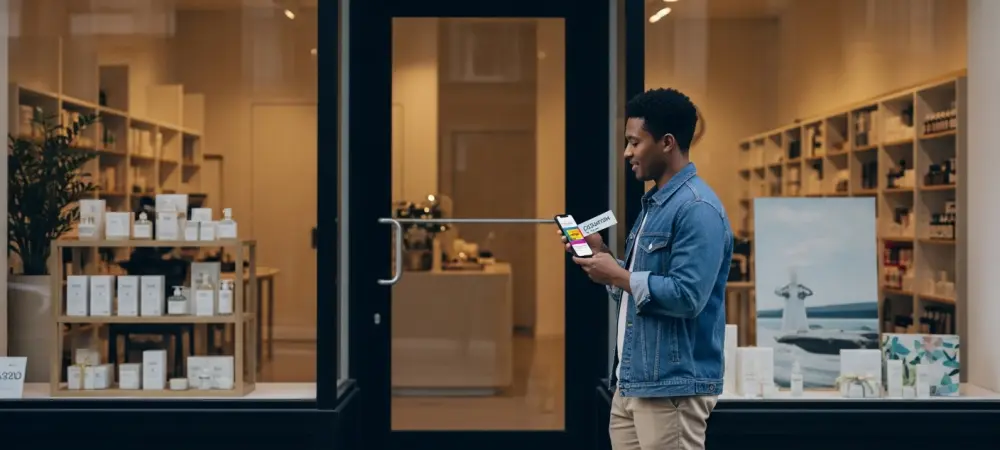
A silent notification vibrating in a shopper’s pocket currently holds more power to influence a physical detour than a sprawling highway billboard or a neon-lit storefront display. In a world dominated by global e-commerce giants, local retailers often overlook the most powerful tool in their digital arsenal: the simple email. While many view the inbox as a place for digital-only transactions, a well-crafted local campaign acts as a digital GPS, guiding customers directly from their smartphones to a physical front door. With an average return of $36 for every dollar spent, the question is not whether a business should use email, but how effectively it is being used to bridge the gap between the screen and the sidewalk.
Success in this arena requires a fundamental shift in how digital communication is perceived by the modern business owner. Email is no longer just a catalog of products; it is a mechanism for building foot traffic and reinforcing the physical presence of a brand within a specific community. By treating each message as a tactical guide for the local consumer, retailers can turn a crowded inbox into a clear map that leads straight to their register. This strategy leverages the convenience of digital browsing while capitalizing on the immediate gratification that only an in-person visit can provide.
Is Your Inbox the Secret Map to Your Physical Storefront?
The modern consumer landscape is defined by an overwhelming amount of choice, yet the desire for local connection has never been stronger. Local email marketing functions as a critical link in the omnichannel journey, serving as the initial spark that ignites a customer’s decision to leave their home and visit a shop. Unlike generic mass-market blasts, localized emails provide a sense of place and belonging. They remind the recipient that a solution to their need is just a few blocks away, rather than a shipping warehouse across the country. This proximity creates a psychological advantage that national retailers struggle to match, turning a simple message into a compelling invitation to explore the neighborhood.
To maximize this potential, retailers must understand that the inbox is a high-trust environment. When a customer signs up for a local list, they are granting permission for a business to enter their personal digital space. This trust is best honored by providing information that is physically relevant. Whether it is a notice about a limited-time in-store exclusive or an announcement of a neighborhood event, the content must reinforce the idea that the storefront is a destination. By consistently positioning the physical shop as the primary site of value, the email campaign builds a habit of visitation that transcends the transactional nature of online shopping.
Furthermore, the data surrounding email ROI proves that it remains the most cost-effective way to drive local growth. While social media algorithms may hide a business’s updates from its most loyal followers, email provides a direct, unfiltered line of communication. For a local boutique or a specialty hardware store, this means the ability to trigger immediate foot traffic during slow periods. A well-timed email sent on a Tuesday morning can fill a store by Tuesday afternoon, provided the content offers a clear and localized reason to visit. This level of control over physical traffic flow is a unique benefit of the email medium that few other digital channels can replicate.
The Shift: Why Proximity is the New Premium
As the digital marketplace becomes increasingly crowded, the value of physical community has experienced a massive resurgence. Local email marketing differs from traditional strategies by prioritizing geographic relevance over broad demographic reach. While national brands blast generic offers to millions, local businesses have the unique advantage of offering “phygital” experiences—blending digital precision with physical presence. By focusing on a specific neighborhood or city radius, retailers can address the immediate needs and interests of their community, turning a global communication tool into a localized engine for foot traffic. This strategy acknowledges that even in a digitized economy, the human desire for tactile experience and local interaction remains a primary driver of commerce.
The premium on proximity is also driven by a growing consumer fatigue with the complexities of modern shipping and returns. The “buy online, pick up in-store” (BOPIS) model has become a staple of the retail diet, and email is the perfect vehicle to facilitate this behavior. When a retailer uses email to highlight the ease of a physical visit—mentioning ample parking, personalized styling sessions, or the ability to try a product before purchasing—they are addressing the specific pain points of the digital-only shopper. This shift toward localism is not just a trend but a structural change in how people interact with their surroundings, placing the local shop at the center of a more sustainable and connected lifestyle.
Moreover, the localized approach allows for a level of storytelling that is impossible on a national scale. A neighborhood store can reference local landmarks, participate in town-wide festivals, and react to regional weather patterns in real time. If a sudden heatwave hits a city, a local fan shop can send a targeted email promoting cooling systems or summer apparel that can be picked up immediately. This agility is a competitive edge. By leaning into the specifics of the local environment, businesses transform from faceless entities into active participants in the daily lives of their customers. This deep integration into the local fabric is what makes proximity a premium feature in the modern economy.
From Digital Clicks to Physical Bricks: Strategies for Engagement
Local email marketing success is built on more than just sending an update; it requires a strategic approach to how content is delivered and perceived. To stand out in a cluttered inbox, a subject line must act as a local handshake. Using specific neighborhood names or city identifiers immediately signals relevance to the recipient. Beyond the subject line, successful brands frame their storefront as a community hub rather than just a place of commerce. Treating an email like a social invitation—using language that encourages mingling or visiting—repositions the act of shopping as a rewarding local experience that cannot be replicated online. This transformation of the retail space into a social destination is a key tactic for driving repeat visits.
A primary barrier to in-store visits is the effort required for a customer to plan their trip. This can be overcome by providing clear, scannable itineraries for in-store events or sales. By outlining specific time slots, location details, and event schedules, a business reduces the mental work for its audience. When a customer can see exactly how a visit fits into their daily schedule, the likelihood of a digital lead turning into a physical visitor increases significantly. For example, a pop-up event email that includes a timeline of activities and a map link removes friction, making the decision to attend almost effortless. The goal is to make the journey from the inbox to the store as seamless as possible.
High-engagement emails do not always require high-end production. For local audiences, transparency and utility often trump flashy design. Providing raw information—such as specific in-store-only pricing, inventory availability, and clear dates—creates a sense of immediate value. This approach builds trust with local subscribers who are looking for practical reasons to make a trip to a shop. For instance, a simple, text-heavy email that lists the specific items available at a sample sale can be more effective than a high-resolution gallery that lacks concrete details. By prioritizing utility, a brand demonstrates that it respects the customer’s time and is committed to providing a worthwhile in-person experience.
The Science of Presence: Insights from the Retail Frontline
Expert analysis of modern retail trends suggests that the most successful local campaigns balance promotional content with genuine value. Industry consensus highlights the “60-40 rule” as a framework for long-term retention: ensuring 60% of content is value-driven—such as community news, educational tips, or local rewards—and only 40% is direct sales promotion. This balance fosters a deeper emotional connection with the local customer base, ensuring that when a promotional email is sent, it is received with interest rather than annoyance.
Leading retailers are now using “phygital” data to refine their messaging and strengthen the science of presence. Tagging customers based on their past in-store pickup preferences or specific physical purchases allows for hyper-relevant follow-ups. If a customer bought a specific local product last year, a timely reminder this year proves that the business understands their personal habits and local needs, significantly increasing the chances of a repeat visit. This level of personalization makes the customer feel seen and valued, which is the cornerstone of brand loyalty in a local context. It moves the relationship beyond the screen and into a space of mutual understanding and community support.
Furthermore, the integration of digital behavior with physical outcomes provides a wealth of insights that can optimize future campaigns. Monitoring which local events generate the most email opens and subsequent store visits allows a retailer to double down on what works for their specific community. For example, if data shows that customers are more likely to visit for a “meet the maker” event than a 10% discount, the retailer can adjust their strategy toward experiential marketing. This data-driven approach ensures that every email sent is contributing to a more vibrant and active physical storefront. The science of presence is ultimately about using digital tools to enhance, rather than replace, the physical human experience.
A Practical Framework for Driving Foot Traffic
To transform an email list into a consistent stream of in-store customers, a business must implement a structured workflow that emphasizes urgency and trackable action. The first step is moving beyond the general blast and implementing advanced geographic segmentation based on ZIP codes or a specific travel radius from the store. Once segmented, layering this with behavioral data ensures that the local message is also a relevant message. This precision ensures a business is not sending in-store-only offers to customers who live too far away to redeem them, which preserves the integrity of the list and prevents subscriber fatigue.
Every local email should have a singular, clear call to action that requires physical movement. Use direct language like “Visit us today,” “Claim your in-store exclusive,” or “See it in person” tied to limited-time offers to create a concrete reason for the customer to leave their home immediately. The architecture of urgency is about more than just a countdown timer; it is about providing a compelling “why” for the visit. Whether it is the limited availability of a popular local item or a one-day-only workshop, the incentive must be strong enough to overcome the convenience of staying on the couch.
Finally, to understand the true impact of these efforts, a business must connect the dots between an opened email and a rung-up sale. Utilizing unique promo codes that are “in-store only” allows for tracking exactly which campaigns are driving the most traffic. Additionally, using tracking parameters for event registrations can show which messaging styles resonate most with a local audience, allowing for constant iteration and improvement. The most successful retailers did not just send emails; they built a measurable system that rewarded physical presence. They recognized that the future of commerce was found in the synergy between digital outreach and the physical sidewalk, ensuring that their storefront remained a vital part of the community fabric. These steps provided a clear path toward sustainable growth through localized engagement.