

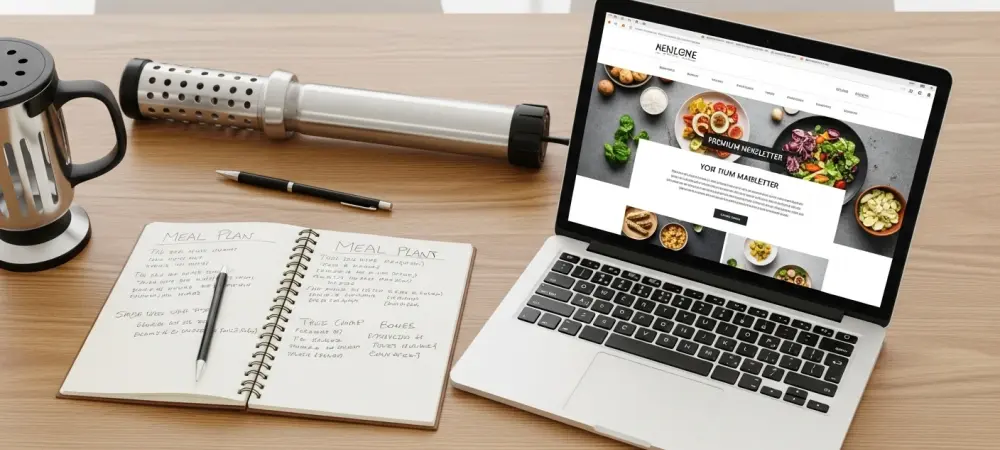
Digital marketing strategies in the current year often drown in a sea of automated notifications and aggressive sales pitches that consumers have learned to ignore almost instinctively. While many retail brands struggle to maintain even a twenty percent open rate, the kitchenware industry has seen a remarkable shift in performance through the implementation of curated, high-value newsletters. The success of the Cestari TableTalk series demonstrates that doubling industry engagement rates is not a matter of increasing frequency but of refining the editorial substance provided to the subscriber. By maintaining a consistent open rate between forty and fifty-five percent, this initiative has challenged the prevailing notion that more emails lead to more revenue. Instead, it highlights a growing consumer preference for meaningful connection over transactional noise. This performance metric serves as a significant benchmark for any organization looking to reclaim the attention of an increasingly selective digital audience through superior content quality.
Strategies for Sustainable Engagement
Prioritizing Editorial Value over Sales
The shift toward a minimalist approach in email marketing marks a departure from the high-frequency blast strategies that dominated the early part of the decade. By delivering a single, concise issue each week, Cestari respects the time of its audience, which effectively mitigates the risk of the dreaded inbox fatigue. This philosophy of quality over quantity ensures that every piece of content serves a specific purpose, whether it is teaching a new skill or sharing a seasonal recipe. Because the newsletter avoids the cluttered layouts and aggressive calls to action typical of modern retail marketing, it builds a sense of trust that translates into long-term retention. Subscribers are more likely to engage when they perceive the communication as a valuable resource rather than a persistent demand for their attention. This focus on editorial integrity creates a sustainable cycle where the brand becomes a welcome guest in the consumer’s digital life rather than a nuisance. Understanding the specific nuances of a target demographic is essential for crafting messages that resonate deeply and drive consistent engagement. The strategy employed for TableTalk focuses on educated women aged forty-five and older who take pride in hosting family gatherings and maintaining traditional culinary values. These individuals are typically experienced home cooks who do not require basic instruction but rather seek sophisticated ways to enhance their existing routines through seasonal insights and efficient kitchen techniques. By tailoring content to this specific expertise, the brand avoids the pitfall of patronizing its audience or chasing fleeting social media trends that may not align with their lifestyle. Instead, it provides practical tool recommendations and time-saving methods that complement the user’s expertise. This alignment between the brand’s voice and the subscriber’s identity ensures that the content remains relevant, fostering a deep psychological connection that generic, mass-market campaigns can never achieve.
Cross-Platform Integration and Visual Media
Modern consumer behavior dictates that information should be accessible across multiple formats to accommodate different learning styles and situational preferences. To meet this demand, the weekly newsletter integrates written content with high-quality visual media distributed via platforms like YouTube and TikTok. This cohesive, multi-platform narrative allows readers to transition seamlessly from reading a recipe to watching a demonstration of a specific technique, such as the proper use of a ceramic peeler or a garlic press. By synthesizing these diverse media types, the brand provides a comprehensive educational experience that feels both modern and professional. This integration does not merely serve as an advertisement for the video channels but acts as a functional extension of the email itself, providing depth without cluttering the subscriber’s inbox with excessive text. This method acknowledges the importance of visual storytelling in the kitchenware sector, where seeing a product in action is often more persuasive.
Reliability serves as the cornerstone of brand loyalty in an era where digital content is often fragmented and unpredictable. The consistent format and predictable delivery schedule of this weekly publication allow the thousands of active subscribers to integrate the content into their regular meal planning and household routines. When a brand becomes a dependable part of a consumer’s weekly schedule, it moves beyond the status of a mere vendor and enters the realm of a trusted community resource. This transition is vital for long-term growth, as it encourages word-of-mouth recommendations and organic community building. Each issue reinforces the brand’s commitment to quality and longevity, mirroring the lifetime guarantees offered on its physical products. By maintaining this high standard of curation over time, the brand ensures that its marketing efforts are not just temporary spikes in activity but are building a foundation of lasting customer relationships. This stability is increasingly rare in a market characterized by rapid shifts and experimental tactics.
Future-Proofing Digital Communication
Impact of Data-Driven Personalization
The evolution of digital marketing in 2026 suggests that personalized, value-driven communication is reclaiming the ground once lost to generic, automated systems. Data analysis shows that consumers are increasingly responsive to content that reflects their personal values and lifestyle choices rather than broad demographic assumptions. In the case of successful kitchenware marketing, this involves moving away from blast emails that treat every customer the same and toward a model that respects the intelligence of the recipient. By analyzing engagement patterns, brands can identify which topics—such as seasonal canning or holiday preparation—resonate most with their core audience. This data-driven approach allows for the creation of content that feels bespoke even when delivered to a large subscriber base. The shift toward this level of sophistication is a direct response to the oversaturation of the digital marketplace, where only the most relevant messages survive. Organizations that prioritize this level of detail are finding that their engagement metrics far exceed those using traditional methods.
Addressing the psychological components of consumer engagement is necessary to overcome the barriers created by modern digital saturation. Inbox fatigue is a real phenomenon that can lead to mass unsubscribing or, worse, a complete lack of attention to a brand’s presence. The success of a minimalist strategy lies in its ability to bypass these mental filters by offering something of genuine substance. When readers know that an email contains useful information rather than just a sales pitch, the psychological barrier to opening that message is significantly lowered. This creates a positive feedback loop where each successful interaction reinforces the desire to engage with future content. Furthermore, by avoiding the use of manipulative subject lines or clickbait tactics, the brand maintains a professional reputation that encourages long-term interaction. This respectful approach to the consumer’s psychological space is becoming a standard for brands that aim to maintain a premium position in their respective industries. It emphasizes the importance of the human element in digital strategy.
Actionable Frameworks for Brand Growth
The transition to a service-oriented marketing model proved to be the most effective way to cut through the digital noise of the mid-twenties. Brands that successfully adopted this framework focused on curation over volume, ensuring that every touchpoint provided tangible value to the consumer. This required a deep investment in high-quality editorial content and a willingness to step back from the constant pressure of daily promotional cycles. By treating the newsletter as a product in itself, organizations were able to cultivate a dedicated following that viewed the brand as an authority in its field. The integration of traditional wisdom with modern technology, such as lifetime-guaranteed products paired with short-form video tutorials, created a comprehensive ecosystem of support for the end-user. This approach did not just increase open rates; it fundamentally altered the relationship between the company and its customers, turning passive buyers into active brand advocates. The strategy demonstrated that empathy and respect for the audience were the primary drivers of sustainable digital success.
Looking forward from the current progress seen in 2026, the next steps for digital engagement involved the further refinement of specialized content niches. It became clear that broad-spectrum marketing was no longer sufficient for maintaining high engagement levels in a competitive environment. Future considerations focused on how brands could leverage their unique expertise to solve specific problems for their users, such as meal efficiency or sustainable household management. The successful models established that a deep understanding of primary consumer bases was more valuable than any automated tool or broad-reach campaign. Organizations were encouraged to audit their existing communication channels to identify areas where promotional clutter could be replaced with curated insights. By focusing on these specialized pillars of knowledge, companies built resilient digital communities that were less susceptible to market fluctuations. The lessons learned from this period emphasized that the most powerful marketing tool was a genuine commitment to serving the needs and interests of the community above all else.