

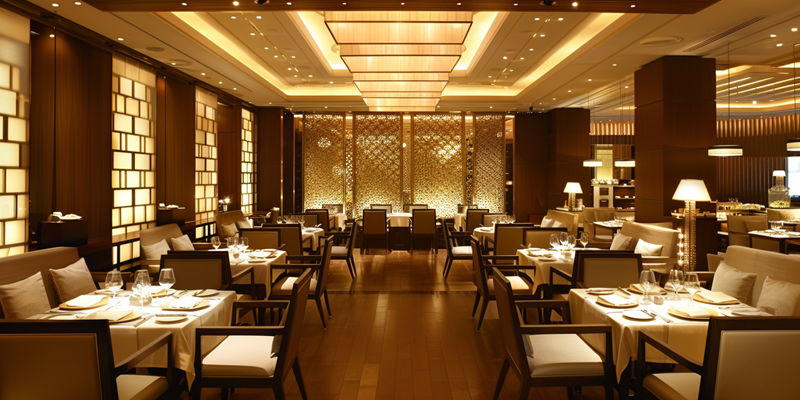
The restaurant industry is undergoing a transformation, driven by consumer preferences for memorable experiences over mere transactions. In the backdrop of this shift, technology is playing a pivotal role in reshaping dining by creating seamless, personalized, and engaging interactions. Integrated technology platforms present opportunities for restaurant operators to not only enhance the customer experience but also to achieve operational excellence.
The Rise of the Experience Economy in the Restaurant Industry
Customer Experience as a Competitive Edge
As consumers increasingly choose experiences over things, dining establishments must evolve to stay relevant. The key to survival in this fiercely competitive landscape is to offer not just food but an unforgettable experience that resonates with customers long after they’ve left the table. Technology plays a critical part in this; from reservation systems that remember your favorite table to apps that recommend dishes based on past dining history, each touchpoint is an opportunity for personalization.
Moreover, integrating technologies such as loyalty programs with point-of-sale systems helps create a seamless interaction at every visit, making customers feel valued and understood. By observing and responding to customers’ preferences and behaviors, restaurants can give them the sense of a customized dining journey, thus building loyalty in an industry where repeat patronage is gold.
Anticipating Intensified Competition
As the stakes get higher, anticipating the wave of competition is vital. Market trends suggest that restaurants will face an even more crowded marketplace in the coming years. To stand out, savvy operators are embracing technology that allows them to adapt swiftly and deliver exceptional service consistently. Integrated solutions offer real-time insights, enabling businesses to fine-tune their offerings and operations in tune with customers’ evolving tastes and expectations, ensuring they’re always a step ahead of the competition.
In today’s world, it’s not just about serving a meal but crafting an experience tailored to individual preferences. Technologies that enhance meal customization, facilitate easier payment methods, and ensure timely service will set industry leaders apart. Data-driven approaches enable restaurants to predict trends and adjust accordingly, ensuring they meet customers right where their desires manifest.
The Challenges of Disjointed Technological Systems
Operational Inefficiencies of Isolated Platforms
Using a patchwork of non-integrated systems can lead to considerable operational inefficiencies for restaurants. Each platform, functioning in silos, creates complexity and hampers the ability to synchronize critical business operations. This not only results in increased labor and time costs but can also lead to critical errors—such as inventory discrepancies and complications in order tracking—that directly impact the restaurant’s bottom line.
Through a more holistic viewpoint, a clear picture emerges of how these inefficiencies trickle down and affect every aspect of the restaurant’s operations. With managers and staff splitting their efforts across multiple platforms, there’s a significant hit to productivity. This fragmented approach can impede the ability to make informed, rapid decisions that are crucial in the fast-paced foodservice industry.
The Impact on Customer Experience
The disjointedness of technologies cuts deeper than operational hurdles—it strikes at the heart of the customer experience. In a world where diners expect swift and precise service, any slip-up due to technological misalignment can leave a bitter taste. For example, order inaccuracies that stem from poorly integrated POS and kitchen management systems not only disappoint customers but can also damage the reputation of the business over time.
Furthermore, when customer loyalty programs fail to sync with POS systems, it tarnishes the perceived value of joining such initiatives. Customers seek rewards and recognition that are seamlessly delivered, not convoluted by systemic inefficiencies. The inability of discrete systems to communicate leads to a fragmented narrative of the customer journey, rupturing the promise of a connected, engaging dining experience.
Unified Commerce Cloud Platforms as a Solution
Streamlining Operations through Integration
Unified commerce cloud platforms emerge as the beacon in the storm for restaurateurs. These integrated systems consolidate various aspects of operations, such as order management, payment processing, and inventory tracking, into a single, coherent network. This pivotal move can reduce errors, save time, and improve overall operational efficiency. Thus, staff can focus more on customer service rather than grappling with system inconsistencies.
The impact of a unified system on inventory management alone can be transformative. Imagine having a real-time view of stock levels, leading to better-informed purchasing decisions, and reduced waste. Integrated platforms also streamline order processing—orders from various channels funnel into a central system, ensuring accuracy and quick turnarounds, which are critical for customer satisfaction and boosting throughput in busy dining periods.
Enhancing Customer Relationship Management
With a single, unified platform, restaurants can engage with their customers on a deeper level. Leveraging customer data becomes straightforward when such data is consistently collected and easily accessible from a central point. This enables marketing teams to craft personalized campaigns and individualized service propositions that resonate with each diner, fostering a sense of belonging and loyalty.
Personalized marketing, when executed well, can be a powerful tool for customer retention. It’s about recognizing the importance of every customer’s journey and nurturing it—sending out a birthday discount code, suggesting a favorite dish, or simply greeting a returning customer by name. Such thoughtful touches, facilitated by integrated technology, help restaurants transition from just a place to eat to a cherished part of their customers’ lives.
Real-World Application: Case Example of Hooters of America (HOA)
Automating Store Operations and Simplifying Processes
Hooters of America provides a pertinent example of the positive transformation that integrated tech can drive. They’re in the process of implementing a unified platform aimed at automating store operations and streamlining order entry and payment processing. This integration brings forth the potential to cut down on service times significantly, lessen the strain on staff, and ensure smoother operations across the board.
By automating routine tasks, the staff of HOA can devote more attention to guests, refining the quality of service. Optimal inventory management through this technology helps in curbing wastage and ensuring that popular items are always in stock, adding to customer satisfaction. Ultimately, it’s about achieving a synergistic workflow where each component of the restaurant’s operations supports one another, culminating in superior service delivery.
The Pursuit of an Optimized Customer Experience
The ultimate goal for HOA, and many others venturing into integrated solutions, is to optimize the customer experience. With technology that serves up the ability to swiftly process orders with accuracy, customers enjoy shorter wait times and precisely what they ordered. A more efficient back-end operation allows for a customer-facing approach that’s focused, friendly, and attuned to the unique needs of each guest.
HOA’s pursuit of advanced integrated technologies also extends to how they interact and retain customers. By using unified systems, the restaurant chain envisions a future where they can offer personalized incentives and experiences that make a lasting impression. It’s about recognizing each customer’s value and delivering on the promise of a delightful dining experience every single time.
The Competitive Advantage of Integrated Technologies
Single Source of Truth for Customer Data
In the quest for competitive advantage, restaurants are finding that a unified approach to customer data collection and management is invaluable. A single, comprehensive repository ensures that every team member, from marketing to service, has access to the same updated data. This eliminates any inconsistencies in the customer experience and ensures that each interaction with the brand is part of a cohesive narrative.
Having a consolidated data system simplifies the process of tracking customer preferences and behavior, providing an opportunity to tailor each engagement to the individual’s tastes and history with the establishment. It’s the kind of attention to detail that elevates a restaurant from a mere eatery to a dining destination, establishing a unique bond with each customer and fostering brand loyalty.
Leveraging Insights for Continuous Optimization
The evolution of the restaurant sector is characterized by a significant shift towards the provision of unforgettable experiences rather than just basic service. As patron preferences push this change, technology emerges as a cornerstone, revolutionizing how eateries provide service and interactivity that’s both personalized and engaging. These technologies are not just revolutionizing customer interactions; they are also critical tools for restaurants striving for operational efficiency and excellence. Through innovative tech platforms, restaurateurs now have the means to elevate both the dining experience and their business performance in tandem, meeting modern diners’ expectations for efficiency, enjoyment, and personal touch. As a result, the dining landscape is being dynamically redefined, blending the art of hospitality with the science of cutting-edge technology to create industry-leading service models.