

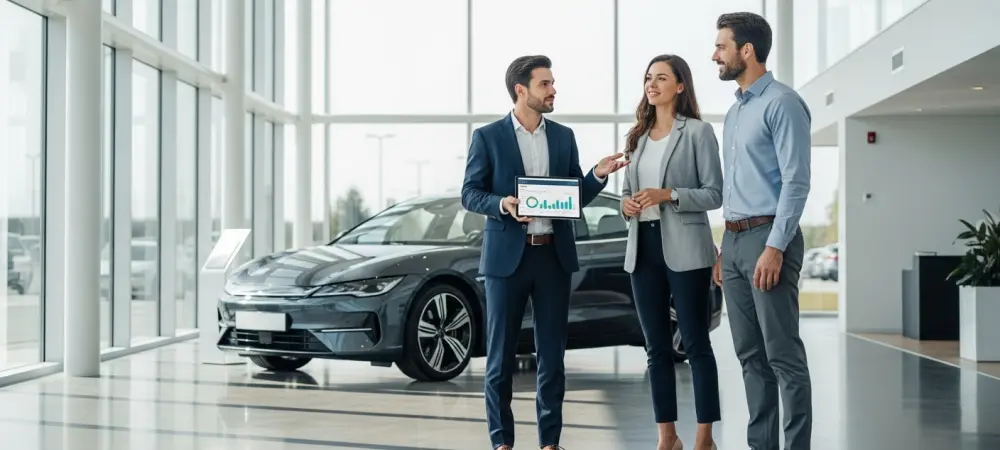
The modern car buyer has shifted from browsing physical lots to spending over fifteen hours researching online before ever stepping foot into a dealership showroom. This transition has rendered traditional broadcast advertisements nearly obsolete as consumers demand a seamless, data-driven journey that prioritizes transparency and speed. Today, the competitive edge in the automotive industry is no longer defined solely by the horsepower under the hood but by the precision of a brand’s digital infrastructure. Dealerships that fail to integrate sophisticated tracking and personalized outreach find themselves losing market share to tech-savvy competitors who understand that every click is a signal of intent. The automotive landscape is currently navigating a period where digital touchpoints influence ninety-five percent of all vehicle purchases, making it imperative for retailers to master the art of the virtual handshake. Success requires a departure from generic messaging in favor of hyper-targeted campaigns that meet the buyer exactly where they are.
Transforming the Customer Journey through Personalized Data
Harnessing Predictive Analytics for Precision Targeting
Current market dynamics rely heavily on the utilization of big data to anticipate consumer behavior long before a lead form is even submitted to a local dealership. By analyzing billions of data points including browsing history, socioeconomic shifts, and even local weather patterns, automotive marketers can now deploy predictive lead scoring models that identify high-intent buyers with startling accuracy. These systems allow sales teams to prioritize individuals who are statistically most likely to close a deal within the next forty-eight hours, rather than wasting resources on cold calls to uninterested prospects. Furthermore, the integration of customer relationship management software with third-party behavioral data ensures that every interaction is informed by the user’s specific preferences, such as trim levels or financing requirements. This level of foresight transforms the sales process from a reactive numbers game into a proactive strategy where every marketing dollar is spent on high-intent consumers.
Synchronizing Communication Channels with Automated Workflows
Beyond simple identification, the real power of predictive modeling lies in its ability to synchronize across multiple communication channels to create a unified brand voice. When a potential buyer interacts with an online configurator, that specific data must immediately populate the dealer’s internal systems to trigger a tailored follow-up sequence. Automated workflows now ensure that if a customer explores electric vehicle options at midnight, they receive a personalized video walkthrough of that specific model in their inbox by the next morning. This seamless handoff between automated digital tools and human sales representatives minimizes the information gap that often leads to consumer frustration. By maintaining a single source of truth for every prospect, dealerships can avoid redundant questions and provide a concierge-level experience that feels both personal and efficient. This operational excellence not only drives immediate sales but also establishes a foundation of trust that is critical for long-term brand loyalty.
Enhancing Virtual Presence and Transactional Transparency
Deploying Augmented Reality for Immersive Showroom Experiences
The traditional barriers of distance and time have been dismantled by the rapid adoption of high-fidelity augmented reality and virtual reality tools that bring the showroom directly into the consumer’s living room. Prospective buyers can now utilize mobile applications to project a full-scale, three-dimensional model of a vehicle into their own driveway, allowing them to inspect every interior detail without leaving their homes. This immersive technology goes far beyond static images, offering interactive features like changing paint colors, swapping wheel designs, or virtually sitting in the cockpit to test the infotainment interface. By providing these high-touch experiences digitally, dealerships can qualify leads more effectively, as customers who schedule an in-person visit have already experienced the car and are much closer to a final decision. This reduction in physical friction is particularly vital for urban dwellers or busy professionals who view traditional car shopping as a chore.
Scaling for the Future through Life-Cycle Digital Integration
The evolution of digital marketing in the automotive sector proved that the separation between the virtual and physical worlds was a relic of the past. Industry leaders who prioritized the integration of artificial intelligence and immersive technologies successfully captured a new generation of buyers who valued convenience and transparency above all else. Moving forward, the focus shifted toward the total lifecycle of the vehicle, where digital engagement did not end at the point of sale but continued through automated service scheduling and personalized trade-in offers. Dealerships that viewed their website as a secondary tool were quickly outpaced by those who treated their digital storefront as their primary point of contact. The most successful organizations focused on refining their attribution models to understand the exact value of every digital touchpoint, ensuring that future investments were directed toward the most impactful technologies. This transition provided the agility needed to navigate market shifts with confidence.