

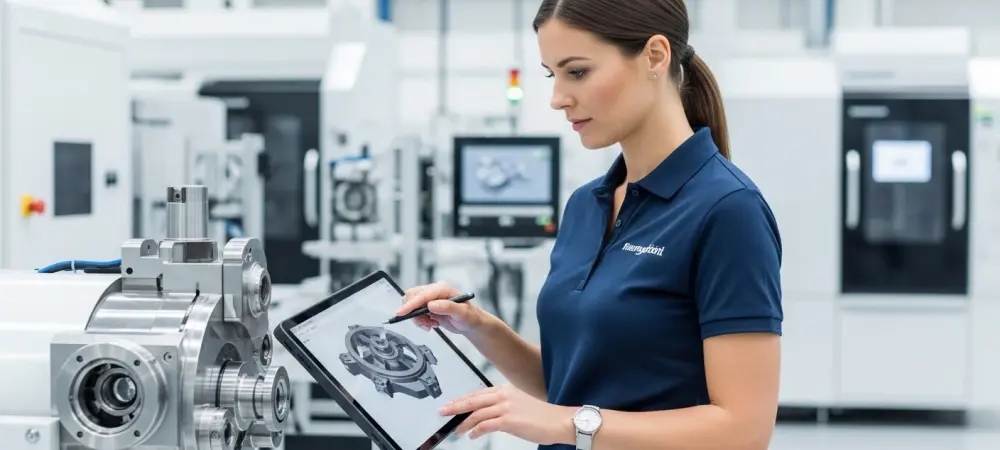
Today, we’re joined by Aisha Amaira, a MarTech expert who has built a career at the intersection of marketing technology and customer data. With a deep understanding of CRM platforms and a passion for leveraging innovation, Aisha helps businesses, particularly in the industrial space, decode complex customer behaviors to drive growth. In our conversation, we’ll explore the digital transformation sweeping the manufacturing sector. Aisha will share her insights on how manufacturers can move beyond traditional sales tactics to build technical trust with online-savvy engineers, the critical role of a manufacturer’s website in lead generation, and effective strategies for nurturing leads through long B2B sales cycles. We’ll also delve into the nuanced use of social media and paid advertising for highly specialized industrial products, discuss how to authentically communicate sustainability efforts, and identify the most impactful starting points for smaller businesses with limited resources.
With engineers and procurement managers now conducting most of their research online, how must a manufacturer’s content strategy evolve beyond traditional sales messaging? Could you share a step-by-step approach for creating content that builds technical trust with this self-educating audience?
It’s a fundamental shift from “selling” to “solving.” The modern industrial buyer, who conducts nearly 80% of their research independently, isn’t looking for a sales pitch; they’re diagnosing a problem. The first step is to deeply understand their world. What are the specific operational headaches, compliance issues, or efficiency gaps they’re trying to fix? Your content must address these directly. Secondly, create a library of high-value, educational assets. This isn’t just a blog post; it’s a downloadable engineering guide, a detailed maintenance manual, or a whitepaper on industry-specific process improvements. You’re giving them the tools to do their job better. Finally, the delivery has to be consistent and authoritative. This is where tools like an AI Blog Writer can be invaluable, helping a small marketing team produce a steady stream of technical articles and case studies that establish your company as a credible, indispensable resource long before they’re ready to request a quote.
A manufacturer’s website is often their digital front door. Beyond just having product catalogs and technical specs, what specific interactive elements or SEO tactics are crucial for converting a visiting engineer into a qualified lead? Please provide some concrete examples you have seen work.
A manufacturer’s website must be an active workshop, not a static brochure. For an engineer, trust is built on detail and clarity. I’ve seen incredible success with interactive 3D models that allow a visitor to rotate, zoom in on, and virtually inspect a piece of machinery from their desktop. This immediately answers questions about build quality and component placement that a flat image never could. Another crucial element is focusing SEO on technical, long-tail keywords. Think about what an engineer would actually type into Google: not just “industrial pump,” but “high-viscosity chemical transfer pump with ATEX certification.” Optimizing your product and blog pages for these specific phrases ensures you appear at the exact moment of need. Finally, don’t underestimate local SEO. If you serve specific regions, ensuring you’re visible for “CNC machining services near [city]” can be a game-changer for capturing local business.
Given that B2B sales cycles in manufacturing can span several months, how can a company use gated content like whitepapers and automated email campaigns to nurture leads effectively? Can you walk me through the key stages of a successful lead-nurturing sequence?
This is where marketing automation truly shines, turning a single point of interest into a sustained conversation. It starts the moment a prospect downloads a gated asset, like a technical whitepaper. That’s stage one. Immediately, an automated email should deliver the asset and thank them. But the magic is in stage two, which happens a few days later: a follow-up email that doesn’t ask for a sale but offers a related case study, showing how a similar company solved a problem using the information from that whitepaper. Stage three, perhaps a week after that, could be an email sharing a video demonstration of the relevant product in action. You’re layering value, not pressure. By the time you get to the final stage, which might be an invitation to a live webinar or a personalized note from a technical specialist, you’ve built a foundation of trust and demonstrated your expertise, making the eventual sales conversation feel like a natural next step.
Many manufacturers are hesitant about social media. For a company making complex industrial machinery, how can platforms like LinkedIn and YouTube be used to demonstrate value and build credibility? Could you share an example of a video or post that successfully drove qualified engagement?
The key is to reframe social media from a “branding” tool to an “education” platform. For manufacturers, LinkedIn and YouTube are the top choices. On LinkedIn, it’s not about flashy ads; it’s about participating in industry-specific groups, sharing insightful articles on new manufacturing processes, and positioning your key people as thought leaders. YouTube is your virtual factory floor. I saw a brilliant example from a company that makes specialized robotic arms. They didn’t just post a slick marketing video. Instead, they uploaded a simple, well-lit, two-minute video showing the arm performing a complex assembly task, with on-screen text highlighting its precision and speed. The engagement from engineers and operations managers was phenomenal because it wasn’t selling; it was demonstrating a solution to a real-world production challenge. It’s that kind of authentic, value-driven content that builds immense credibility.
Paid advertising can be expensive if not done correctly. For a manufacturer targeting a niche B2B audience, what are the key differences between running a Google Ads campaign versus a LinkedIn Ads campaign? Please detail how you would approach targeting and messaging for each.
The difference is all about intent versus identity. Google Ads is brilliant for capturing active, high-intent searches. Someone typing “5-axis CNC machine for aerospace components” is looking to solve a problem right now. For that campaign, the ad copy needs to be direct and solution-focused, linking to an optimized landing page with technical specs and a clear “Request a Quote” CTA—never the homepage. LinkedIn Ads, on the other hand, is about targeting a specific person. You’re not waiting for them to search; you’re proactively reaching them based on their job title, industry, and company size. For a LinkedIn campaign, the messaging should be more educational. I would target “Production Managers” at “Automotive Companies with 500+ employees” with an ad promoting a downloadable guide on “Improving Production Line Efficiency,” building awareness and capturing them as a lead for long-term nurturing.
Sustainability and innovation are becoming key differentiators. How can a manufacturer effectively communicate its ESG initiatives and technological advancements through digital marketing without it sounding like a gimmick? What metrics should they track to measure the impact of this messaging?
Authenticity is everything here. It can’t be a tagline; it has to be woven into your story with tangible proof. The best way to communicate this is through detailed case studies and data. Instead of saying “we’re eco-friendly,” publish a case study titled “How Our New Process Reduced Client X’s Energy Consumption by 15%.” Feature your sustainability certifications prominently on your website and in marketing materials. Create blog content that explains the technology behind your energy-efficient products. To measure impact, you’re not just looking at likes. Key metrics would include tracking downloads of your sustainability reports, monitoring engagement rates on content specifically about innovation, and even adding a question to your lead forms like, “Is sustainability a key factor in your purchasing decision?” This provides direct feedback on whether your messaging is resonating with your target buyers.
For small manufacturers with limited budgets, implementing a dozen new strategies can feel overwhelming. If a small job shop could only focus on three of these digital marketing areas to start, which would you recommend for the highest ROI, and what would be the first practical steps to take?
This is a critical question because paralysis by analysis is a real threat. For the highest immediate and long-term ROI, I would recommend focusing on three pillars: first, a strong, SEO-optimized website. This is your digital foundation. The first step is to perform a keyword analysis to understand what your potential customers are searching for and ensure your product and service pages are aligned with those terms. Second, content marketing focused on one or two high-value downloadable assets, like a technical guide or a case study. The first step here is to simply talk to your best customers and ask what information they wish they had when they started their project. Third, video marketing, specifically product demonstrations on YouTube. Your first step doesn’t need a professional film crew; a smartphone on a tripod with good lighting can create a powerful video showing your machinery in action. These three strategies work together to attract, educate, and convert, forming a powerful engine for growth.
What is your forecast for digital marketing in the manufacturing sector?
I believe we are moving from “digital as a channel” to “digital as the entire customer experience.” The future isn’t just about having a website or a LinkedIn profile; it’s about creating a seamless, data-driven journey for the buyer. We’ll see a deeper integration of AI, not just for writing blogs, but for predictive lead scoring that tells sales teams which prospect is most likely to convert next. Interactive tools like 3D configurators and virtual factory tours will become standard, allowing engineers to fully vet a solution without ever leaving their office. Ultimately, the manufacturers who win will be those who use technology not just to sell, but to become an invaluable, always-on technical partner for their customers, providing expertise and solutions at every single touchpoint. The line between marketing, sales, and customer service will blur into one cohesive, trust-building experience.