

Traveling today often feels like navigating a digital assembly line where every interaction is perfectly timed but utterly devoid of actual warmth or personal recognition. While technology promised to bring hosts and guests closer together, it frequently serves as a barrier that reduces a human being to a single confirmation number. The hospitality industry currently grapples with a confusing paradox: properties possess more information about their visitors than at any other point in history, yet the typical stay feels increasingly robotic. The era of winning loyalty through simple automated confirmation emails ended years ago, replaced by a demand for a level of recognition that feels intuitive rather than programmed. Redefining the guest experience today requires a fundamental shift from automation for the sake of efficiency to intelligence for the sake of connection.
This transition involves rethinking the entire lifecycle of a stay. Modern travelers are no longer satisfied with being a data point in a generic database; they seek a relationship that mirrors the golden age of hospitality, where a concierge knew a name and a preference by heart. However, achieving this at scale in a high-volume environment necessitates a sophisticated layer of Customer Relationship Management (CRM) intelligence. It is about moving beyond the superficial and using the vast mountains of available data to craft a narrative that resonates with the individual. When a hotel treats a guest as a known entity rather than a stranger, it transforms a commodity room night into a personalized event.
Moving Beyond the Generic “Dear Guest” Greeting
The standard template for digital guest interaction has become a source of friction rather than a point of convenience. In an environment saturated with digital noise, receiving a generic “Dear Guest” email serves as a reminder that the property sees the traveler as a transaction. This impersonal approach fails to capitalize on the unique opportunity to build a rapport before the traveler even arrives. As travelers become more tech-savvy, their tolerance for irrelevant marketing and robotic communication has plummeted. They expect the digital components of their journey to be as thoughtful and curated as the physical amenities in their room. True intelligence in CRM means shifting the focus away from mass communication toward hyper-relevant engagement. This requires a move from “automation for the sake of efficiency” to “intelligence for the sake of connection.” Efficiency might get an email sent on time, but intelligence ensures that the content of that email reflects the guest’s previous requests, their preferred floor level, or their penchant for a specific type of coffee. By stripping away the generic templates and replacing them with data-informed dialogue, hotels begin to bridge the gap between digital convenience and human hospitality.
The Critical Shift: From Reactive Service to Predictive Hospitality
The transition from basic CRM functions to true CRM intelligence marks a pivotal moment in the evolution of the industry. Historically, technology was viewed as a tool to streamline operations—processing check-ins faster or sending out reminders for checkout. However, as guest expectations continue to skyrocket, this one-size-fits-all approach has become a liability. Basic automation is no longer a competitive advantage; it is the bare minimum. To stand out, properties must evolve toward predictive hospitality, where the system anticipates needs before the guest even has to voice them.
Personalization is now the primary differentiator in a crowded market. It serves as the essential bridge between a transactional stay and a memorable experience that justifies a return visit. In this new framework, data is treated as a strategic asset rather than a byproduct of a booking. Every interaction, from a spa booking to a late-night room service request, provides a detail that should inform future engagements. When the industry moves toward a model where every touchpoint is dictated by actionable insights rather than rigid, pre-set schedules, it creates a sense of effortless service that leaves a lasting impression on the traveler.
Breaking Down Silos to Create a Unified Guest Journey
The most significant barrier to a redefined guest experience is rarely a lack of information, but rather the fragmented nature of where that data lives. When guest information is trapped in disconnected systems, the view of the traveler remains blurry and incomplete. Many properties continue to struggle with significant infrastructure gaps where the Property Management System (PMS), loyalty databases, and third-party booking channels fail to communicate. This fragmentation creates a broken narrative where the left hand of the hotel does not know what the right hand has promised.
Without a unified profile, a hotel risks making inaccurate assumptions that can alienate high-value visitors. A repeat guest who spends thousands annually might be treated like a first-time traveler simply because they booked through a different channel, or a corporate traveler might be peppered with family-oriented promotions that hold no relevance to their current trip. Centering CRM intelligence within an integrated PMS allows guest history, spending patterns, and preferences to be accessible across every department. When the front desk, the housekeeping team, and the restaurant staff all have access to the same unified profile, the guest experiences a seamless journey that feels cohesive and professional.
The Revenue Impact: Intelligence-Led Personalization
While the primary goal of CRM intelligence is to delight the guest, the byproduct is a significantly more robust bottom line. Leading hoteliers have begun to treat their CRM as a central revenue engine rather than a peripheral marketing tool. By offering a superior, personalized experience, hotels can entice guests to book directly on their own websites, effectively reducing the heavy commission fees paid to Online Travel Agencies (OTAs). This direct relationship is built on the promise that the hotel knows the guest better than any third-party aggregator ever could.
Predictive intelligence also plays a crucial role in maximizing ancillary spend. Instead of offering generic upgrades to everyone, an intelligent system identifies the “golden moment” to suggest a specific room type, a dinner reservation, or a wellness treatment based on the guest’s demonstrated behavior. Industry experts, including those from Maestro PMS, emphasize that this recognition fosters the emotional connection necessary to secure long-term loyalty. High lifetime value is not achieved through discounts, but through the consistent delivery of an experience that makes the guest feel seen and valued.
Strategies for Activating CRM Intelligence in Your Property
To truly redefine the guest experience, hotels must move beyond simple software installation and focus on strategic execution. This involves a fundamental shift in how staff interact with technology and how data is leveraged in day-to-day operations. Implementing advanced segmentation is the first step; properties must move away from blanket email blasts and categorize guests into specific personas. A corporate traveler needing a fast checkout and a quiet room requires a completely different communication strategy than a leisure guest seeking local hidden gems and late-morning breakfast options.
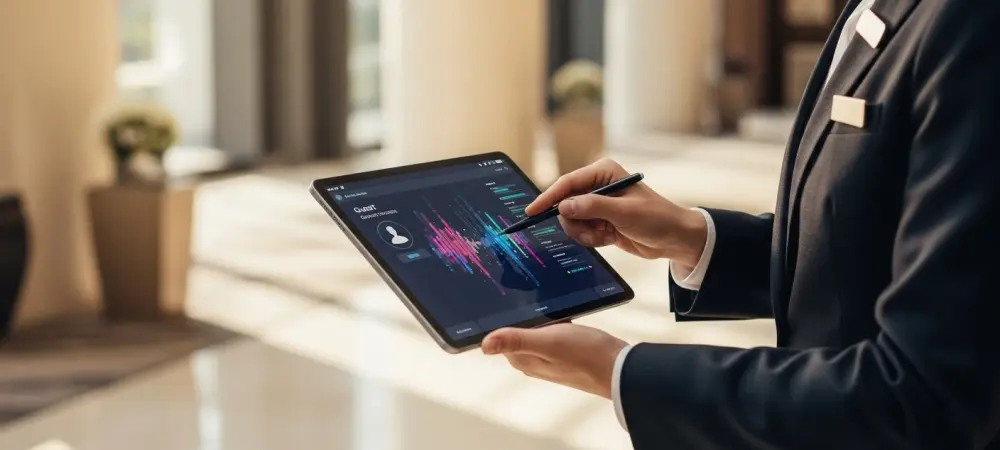
Empowering on-property staff is equally vital to the success of an intelligence-led strategy. The insights gathered by the CRM must be visible to the people on the floor, allowing them to provide personalized greetings and anticipate needs in real-time. Furthermore, there must be a renewed focus on the pre-arrival phase, using intelligence to curate the stay before the guest even sets foot on the property. Success should be measured not just through occupancy rates, but through guest recognition scores and the frequency of repeat visits. When technology is used to enhance the human element of service, the result is a future-proof hospitality model that thrives on genuine connection.
The hospitality sector realized that the path forward required a total rejection of the “Dear Guest” philosophy. Organizations that successfully integrated their systems discovered that data, when used with intent, acted as a catalyst for deeper human engagement. Hoteliers moved toward a reality where every interaction was informed by a unified history, ensuring that no guest felt like a stranger. The focus shifted to empowering staff with real-time insights, which allowed them to deliver service that was both predictive and personal. These strategies ultimately transformed the CRM from a static database into a living part of the guest journey. Decision-makers prioritized the emotional metrics of recognition, which secured the long-term loyalty necessary to thrive in an evolving market. This evolution ensured that technology served the host, and the host, in turn, better served the traveler.