

Introduction to AI in Visual Content Creation
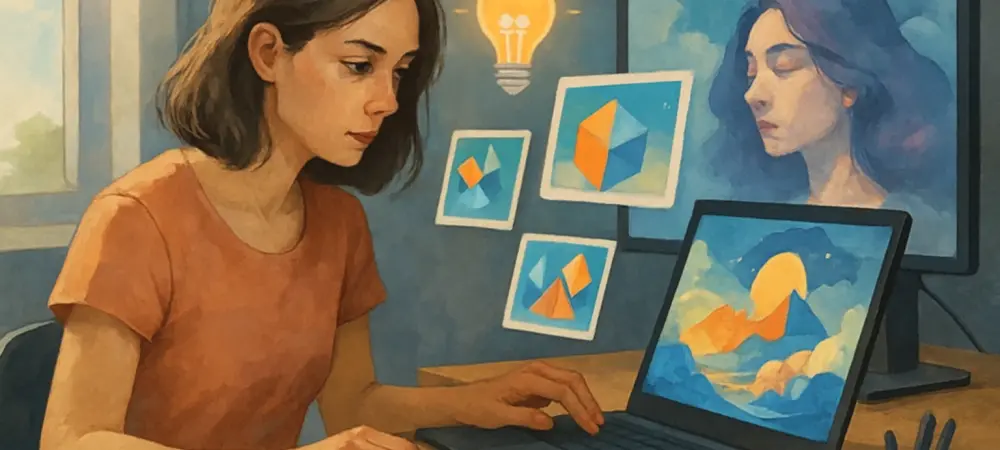
Imagine a world where a single sentence can paint a breathtaking image, no brush or design software required. A small business owner types “a vibrant marketplace at dusk” and watches as a stunning visual emerges in seconds, ready for an ad campaign. This is no longer a dream but a reality, thanks to free AI tools transforming visual content creation. These innovative technologies, particularly in text-to-photo generation and photo editing, are rewriting the rules of creativity. They empower everyone—students, entrepreneurs, and hobbyists alike—to craft professional-grade visuals without the burden of cost or complex skills.
The significance of these tools lies in their ability to democratize artistic expression. Barriers that once stood firm, such as expensive software subscriptions or years of technical training, are crumbling. Now, anyone with an idea can bring it to life, saving time and resources in the process. This accessibility is reshaping how visual storytelling unfolds across industries. The discussion ahead will explore key aspects of this revolution: how these tools make creativity accessible to all, enhance imaginative output, offer practical applications in daily tasks, and hint at exciting future possibilities.
The Importance and Benefits of Using Free AI Tools
In today’s fast-paced digital landscape, standing out visually is more crucial than ever, and free AI tools are becoming indispensable for content creators. They level the playing field, ensuring that high-quality design isn’t reserved for those with deep pockets or elite training. Whether it’s a freelancer building a portfolio or a teacher preparing engaging materials, these platforms offer a gateway to professional results without the traditional hurdles.
Moreover, the benefits extend far beyond mere access. Cost-effectiveness is a major draw—why spend hundreds on software when powerful alternatives come at no charge? Time efficiency follows close behind, as tasks that once took hours, like editing a photo’s background, now complete in moments. Additionally, the creative output is often enhanced, with AI suggesting styles or compositions a user might not have considered. Perhaps most striking is how these tools cater to all skill levels, allowing novices to produce work rivaling that of seasoned designers.
The impact is clear in both personal and professional spheres. A hobbyist can experiment with surreal art for fun, while a startup can craft polished branding materials on a shoestring budget. Embracing these tools isn’t just smart—it’s a strategic move to stay competitive in a visually driven world. As adoption grows, their role in shaping content creation only becomes more vital.
Key Ways Free AI Tools Are Revolutionizing Visual Content
The transformation brought by free AI tools isn’t a subtle shift; it’s a seismic change reshaping how visuals are conceived and refined. These technologies are not merely conveniences but powerful engines driving innovation across diverse fields. From crafting images out of mere words to perfecting photographs with a click, their influence touches every corner of digital expression.
What sets these tools apart is their ability to simplify complex processes while delivering stunning results. Their applications span personal projects to professional endeavors, making them versatile allies for anyone with a creative spark. Let’s delve into specific ways this revolution manifests, with tangible examples illustrating their real-world impact.
Simplifying Image Generation from Text Prompts
One of the most awe-inspiring advancements is how AI turns written prompts into detailed imagery. Picture typing “a serene beach at sunrise” and seeing a lifelike scene materialize instantly—no drawing skills needed. This text-to-photo capability opens doors for anyone to become a visual storyteller, bypassing traditional artistic constraints with ease.
The process is as straightforward as it sounds. Users input descriptive text, and the AI, trained on vast image datasets, interprets the prompt to generate a polished result. This isn’t just convenient; it’s transformative for those who’ve never held a paintbrush or navigated design software. Within seconds, an idea transforms into a visual asset, ready for presentations, social media, or personal use.
Take, for instance, a student tasked with a history project. Lacking artistic talent, they turn to a free AI tool, typing “a medieval castle under siege” to create a vivid illustration for their slides. This not only saves hours but also elevates the project’s impact, proving how accessible creativity has become. Such examples highlight why this technology is a game-changer for education and beyond.
Enhancing Photo Editing with Intelligent Automation
Beyond generating new images, AI is redefining photo editing with a level of automation that feels almost magical. Adjustments like optimizing lighting, erasing unwanted objects, or restoring faded pictures—tasks once reserved for experts—are now handled with precision by free tools. The results look natural, not overdone, preserving the essence of the original image.
This automation offers a stark contrast to manual editing, where hours could be spent tweaking a single photo. AI analyzes the composition, suggests improvements, and applies them in moments, freeing up time for other priorities. For businesses or individuals under tight deadlines, this speed is invaluable, ensuring quality doesn’t suffer in the rush.
Consider a small business owner preparing product shots for an online store. Using a free AI editor, they remove cluttered backgrounds and enhance colors in minutes, achieving a professional look without hiring a photographer. This not only cuts costs but also boosts the store’s appeal, showing how accessible tools can directly impact success. The efficiency and quality combined make AI an essential partner in visual refinement.
Conclusion and Practical Recommendations for Adoption
Reflecting on the journey through this exploration, it became evident that free AI tools had carved a profound niche as creative partners rather than mere replacements for human ingenuity. Their ability to transform ideas into visuals and refine images with effortless precision had reshaped the landscape for countless users. From students to small business owners, the barriers of skill and expense had been dismantled, ushering in an era of inclusive innovation.
Looking ahead, the next steps for those intrigued by this revolution involve thoughtful integration. Experimenting with these tools proves most beneficial for groups like influencers needing fresh content, hobbyists eager to explore art, and educators seeking engaging visuals. A balanced approach emerged as key—leveraging AI for efficiency while infusing personal authenticity into the work to maintain a unique voice. Diving into these platforms with an open mind, testing their features on small projects first, offers a practical way to build confidence and uncover their full potential.