

Introduction
In the vast digital landscape, where millions of websites vie for attention, the choice of a domain name can feel like a make-or-break decision for visibility, and Generic Top Level Domains (gTLDs), such as .music or .shop, have sparked curiosity among website owners and marketers eager to stand out. Are these specialized extensions the secret to climbing search engine rankings, or are they merely a branding tool with no real impact on SEO? This topic holds significant relevance as businesses and individuals strive to optimize their online presence in an ever-competitive environment.
The purpose of this FAQ article is to address common questions and misconceptions surrounding the role of gTLDs in search engine optimization. By exploring key concepts and providing clear, evidence-based insights, the aim is to guide readers through the complexities of domain selection. Expect to learn about Google’s official stance on gTLDs, their potential influence on user perception, and how to balance technical SEO with human-centric strategies.
This content will cover a range of perspectives, from algorithmic considerations to branding implications, ensuring a comprehensive understanding of the subject. Readers will gain actionable clarity on whether investing in a niche gTLD is worth the effort and how such decisions align with broader digital goals. Dive into these FAQs to unravel the truth behind domain extensions and their place in the online ecosystem.
Key Questions or Key Topics
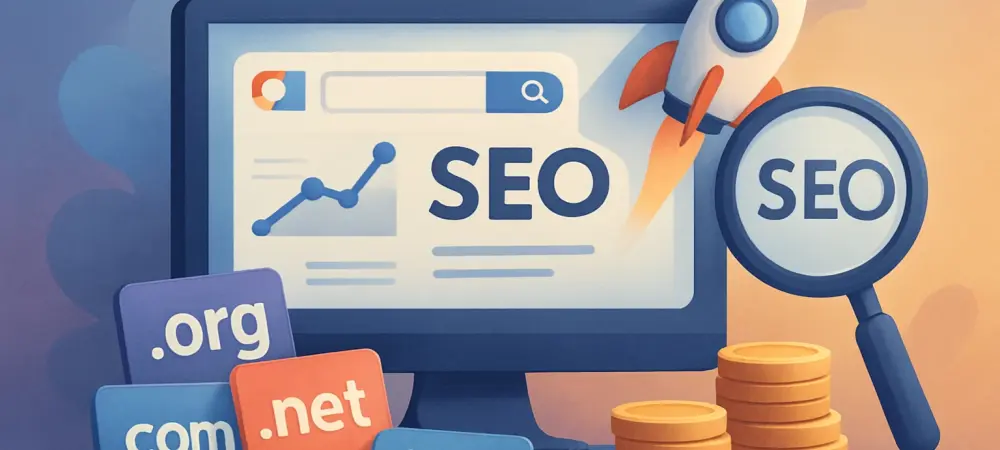
Do Generic Top Level Domains Provide an SEO Advantage?
The question of whether gTLDs, like .music or .tech, offer a direct boost in search engine rankings is a common concern among website owners. Many assume that a keyword-rich domain extension might signal relevance to search engines, potentially improving visibility for related searches. This idea often stems from the belief that domain names play a pivotal role in how algorithms interpret a site’s purpose or niche. According to insights shared by a prominent Google spokesperson, there is no inherent SEO advantage tied to using specific gTLDs. Search engines prioritize content quality, user intent, and behavioral signals over the type of domain extension. For instance, a .music domain will not automatically rank higher for music-related queries just because of its name. The focus remains on delivering valuable, relevant content to users, regardless of the domain suffix.
This perspective is grounded in Google’s long-standing approach to ranking factors, which emphasizes user experience over superficial attributes. While a gTLD might seem like a quick fix for relevance, the reality is that search algorithms are far more sophisticated, relying on hundreds of signals beyond the domain itself. Website creators are better served by investing in strong content strategies rather than banking on a domain extension for a ranking edge.
How Do gTLDs Impact User Perception and Engagement?
Beyond the technical realm of SEO, the influence of gTLDs on human behavior is an area of growing interest. A domain extension can shape how visitors perceive a website’s credibility or purpose before they even click through. For example, a .org extension might evoke trust for non-profit content, while a .shop domain could suggest an e-commerce focus, setting specific expectations for the audience. This concept, often referred to as human optimization, highlights the importance of aligning a domain with user expectations to foster engagement. A relevant gTLD can create a sense of familiarity or authority, encouraging clicks and interactions. Anecdotal evidence suggests that certain extensions, like .org, have historically facilitated easier link-building due to perceived trustworthiness, even if this isn’t a direct SEO factor.
While search engines may not reward gTLDs with ranking benefits, user-driven signals such as click-through rates or time spent on a site can indirectly influence visibility. When a domain resonates with an audience, it can lead to stronger branded searches or organic backlinks, which are valuable to algorithms. Thus, choosing a gTLD with human appeal can contribute to long-term success, even if the path is indirect.
Should Website Owners Prioritize gTLDs for Branding Over SEO?
Deciding whether to invest in a gTLD often comes down to branding goals rather than SEO aspirations. With traditional extensions like .com sometimes unavailable, businesses turn to niche gTLDs to craft a memorable online identity. The challenge lies in determining if the branding potential of a unique domain outweighs the lack of direct search engine benefits, especially for smaller entities with limited budgets. A well-chosen gTLD can enhance brand recognition by clearly communicating a site’s focus or industry. For instance, a music academy using a .music domain might stand out in a crowded market, making it easier for potential customers to recall and associate with the service. This branding effect can be particularly powerful in competitive niches where differentiation is key to capturing attention.
However, the decision should be weighed against practical considerations, such as cost and audience familiarity with lesser-known extensions. While branding is a valid reason to explore gTLDs, it’s critical to ensure that the chosen domain doesn’t confuse or alienate users unfamiliar with newer suffixes. The ultimate goal should be a balance between a distinctive identity and accessibility to the target demographic.
Can User Behavior Influenced by gTLDs Indirectly Affect SEO?
While gTLDs themselves do not carry weight in search engine algorithms, the way users interact with a domain can create ripple effects on SEO performance. This indirect relationship arises from how human responses to a domain—such as trust or curiosity—translate into measurable actions like clicks, shares, or links. Understanding this dynamic is essential for leveraging domains beyond their surface value. When a gTLD aligns with a user’s expectations, it can lead to improved engagement metrics, which search engines interpret as signs of relevance and quality. For example, a .edu domain might prompt higher trust among users seeking educational resources, resulting in more time spent on the site or increased referrals. These positive signals can contribute to better rankings over time, even if the domain extension isn’t the root cause.
This interplay underscores the importance of viewing domain selection as part of a broader strategy. Rather than fixating on gTLDs as a standalone solution, website owners should consider how their choice influences audience behavior and, by extension, search visibility. Integrating user-centric design with technical optimization offers a more holistic path to achieving digital goals.
Summary or Recap
This article addresses several pivotal aspects of Generic Top Level Domains and their relevance in the digital space. It clarifies that gTLDs do not offer a direct SEO advantage, as confirmed by Google’s stance, which prioritizes content and user intent over domain characteristics. Additionally, the discussion highlights the role of human optimization, where gTLDs can shape user trust and engagement, indirectly impacting SEO through behavioral signals. Key takeaways include the need to prioritize content quality over domain type for search rankings and the potential branding benefits of niche extensions. The indirect influence of user behavior on SEO outcomes also emerges as a critical insight, emphasizing the value of aligning domains with audience expectations. These points provide a clear framework for making informed decisions about gTLDs in online strategies.
For those seeking deeper exploration, consider researching domain branding case studies or user behavior analytics to understand specific gTLD impacts in various industries. Resources on human-centric web design can also offer valuable perspectives on balancing technical and emotional aspects of online presence. This knowledge equips readers to navigate domain choices with confidence and clarity.
Conclusion or Final Thoughts
Looking back, the exploration of Generic Top Level Domains revealed a nuanced landscape where SEO myths were debunked, and human factors took center stage. The journey through various questions clarified that while search engines remained indifferent to gTLDs, the human response to these extensions held untapped potential for shaping online success. Moving forward, consider evaluating domain options not just through a technical lens but as an extension of brand identity that speaks to the target audience. Experimenting with a gTLD that reflects the core mission or niche of a website could unlock new avenues for engagement, provided it resonates with users. Let this insight guide future digital strategies, ensuring that every choice prioritizes meaningful connections over fleeting algorithmic trends.
Reflect on how domain selection fits into the broader vision for an online presence. Could a thoughtfully chosen gTLD become a cornerstone of trust or recognition for the intended audience? Ponder this as a step toward crafting a digital identity that stands the test of time and fosters lasting impact.