

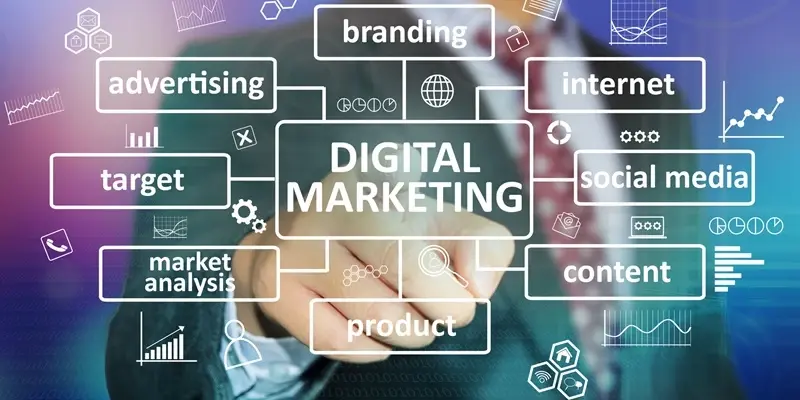
In 2025, digital marketing strategies have revolutionized the engagement and visibility of artists, galleries, museums, and cultural spaces. The adoption of innovative techniques focusing on authenticity, personalization, and community-building has proven essential for maintaining relevance and sustaining income. This article explores the current methods driving the art world forward, emphasizing how they foster deeper connections between creators and audiences.
Authenticity and Storytelling
Social Media Platforms: Unfiltered and Engaging
Social media platforms like Instagram, TikTok, and YouTube remain vital for visual artists. They prioritize raw, unfiltered content showcasing behind-the-scenes glimpses into their creative processes. Sharing sketchbook pages, time-lapse videos of paintings, studio tours, and exhibition preparations helps artists build a genuine connection with their audience.
The evolution from polished gallery shots to more authentic and relatable content has been transformative. Artists find that allowing users into their creative space fosters a sense of inclusivity and transparency. This unpolished content not only humanizes the artist but also demystifies the creative process, making the art more accessible and engaging to a wider audience. By offering a candid look into their daily routines and creative milestones, artists create a community of followers who feel a personal connection to their journey.
Diversifying Content for Galleries and Museums
Galleries and museums have embraced similar strategies by sharing archival content, curatorial notes, and short artist interviews. This shift from simple announcements to immersive involvement enriches the viewer’s experience, transforming social media engagement into an interactive journey.
By diversifying their content, these institutions create a more dynamic and educational presence online. The sharing of curatorial insights and historical contexts, for example, deepens the audience’s understanding and appreciation of exhibits. Additionally, featuring interviews with artists provides unique personal perspectives that enhance the viewer’s connection to the artwork. This multifaceted approach not only broadens the scope of content but also fosters a sense of community, inviting users to actively engage and participate in an ongoing cultural dialogue.
Personal Touch in Communication
Email Newsletters: From Promotion to Personal Connection
Email marketing has evolved into a personalized communication tool, with newsletters resembling personal letters. Artists and organizations share updates from their studios, reflections on recent works, and recommendations of inspiring books and films. This approach nurtures a sense of belonging among readers.
The use of storytelling in email communication turns what was once a marketing message into a meaningful dialogue. By sharing personal insights and inspirations, artists and institutions make their messages more relatable and engaging. This form of communication helps build a loyal audience that feels personally invested in the artistic journey. The personal touch in these newsletters also sets them apart from the more generic promotional content, making each email an anticipated read rather than just another piece of advertising.
Targeted Outreach for Increased Engagement
Galleries and institutions leverage segmented email lists for personalized outreach. Targeted emails based on past attendance, location, or specific interests ensure that messages are relevant and welcomed, fostering stronger connections with the audience.
The strategy of segmenting email lists allows for a more tailored approach, ensuring that recipients receive content that aligns with their preferences and history of engagement. This method increases the likelihood of email opens and interactions, as recipients are more inclined to engage with content that feels personally relevant. By honoring individual interests and past interactions, galleries and institutions not only improve their communication effectiveness but also deepen their relationship with their audience, making each engagement moment more meaningful and impactful.
Enhancing Visibility and Discoverability
SEO: Balancing Visibility and Depth
Search Engine Optimization (SEO) has become indispensable for independent artists and niche institutions. Optimized content, like blog posts focusing on specific art-related topics, enhances discoverability while providing valuable resources for the audience.
One effective approach to SEO in the art world involves creating content that reflects the unique characteristics and narratives of the artwork. Independent artists and small institutions often write blog posts or articles that delve into the cultural significance of their work, share insights about their creative process, or discuss trends in their artistic genre. By focusing on depth and relevance, these posts not only attract organic traffic but also position the artists as thoughtful contributors to the broader discourse within their field. This strategy helps them reach new audiences who are interested in their specific art form.
Optimizing Artists’ and Institutions’ Online Presence
Artists optimize their names and mediums to improve search visibility. For example, a painter in Berlin might create a web page optimized for “contemporary landscape painter Berlin,” making it easier for potential buyers and curators to find them online.
In addition to descriptive text optimization, visual elements like high-quality images and videos are also tailored for search efficiency. Artists and galleries ensure their media is appropriately tagged with relevant keywords, allowing major search engines to index their content accurately. This dual approach of text and visual optimization helps elevate their digital presence, making it more likely for their work to appear in search results relevant to potential collectors and enthusiasts. By strategically enhancing their online findability, artists and institutions can attract a more targeted audience interested in their specific artistic offerings.
Effective Paid Advertising
Accessible and Purposeful Campaigns
Paid advertising has become more accessible for small-scale artists and studios. Effective campaigns have clear purposes, such as promoting new collections or workshops, using straightforward messages to attract attention.
These campaigns are designed with a focus on clarity and relevance, ensuring that potential buyers and attendees receive pertinent and concise information. The use of targeted advertising on platforms like Facebook and Instagram helps artists reach specific demographics, maximizing the impact of their ad spend. By tailoring their advertising efforts to clearly communicate the value and uniqueness of their offerings, artists can attract and engage their desired audience more effectively. This approach also allows small-scale artists to compete more effectively with larger institutions, leveling the playing field.
Creative Variation for Engagement
Creative variation in advertisements, including rotating videos, quotes, and testimonials, keeps the content fresh and engaging. This approach prevents stagnation and maintains audience interest across different platforms.
By continuously updating their ads with new formats and content, artists and institutions can keep their marketing efforts dynamic and appealing. Video content, for example, provides an engaging way to showcase behind-the-scenes looks or highlight key features of an exhibit. Testimonials add authenticity and relatability, allowing potential buyers to hear directly from satisfied clients or patrons. The diversity in ad content helps maintain the audience’s interest and encourages ongoing engagement, as viewers are more likely to pay attention to ads that consistently offer new and interesting perspectives.
Seamless Online Sales Experience
Trustworthy Online Transactions
Selling art online has gained acceptance, provided the experience is trustworthy. Artists and organizations focus on clean, user-friendly websites with clear calls to action, such as “Book a Studio Visit” or “Buy a Limited Print.”
These websites prioritize transparency and ease of use, offering a seamless shopping experience that makes purchasing art online straightforward and secure. Clear and inviting calls to action guide visitors through the buying process without aggressive sales tactics, building trust and confidence in the transaction. Providing detailed information about the artwork, artist, and purchasing process further enhances the visitor’s comfort level, making them more likely to complete a purchase. The focus is on creating a customer-centric experience that reflects the artist’s integrity and aesthetic.
Simplified and Transparent Conversion
Conversion Rate Optimization (CRO) emphasizes creating an inviting and straightforward online experience. Ensuring potential buyers feel confident and informed mirrors the artist’s aesthetic and integrity.
Key elements of CRO include intuitive navigation, fast load times, and clear, concise information about the artworks and purchasing process. By simplifying the path from browsing to buying, artists and organizations reduce friction points that could hinder sales. Moreover, ensuring every aspect of the online experience aligns with the artist’s brand identity helps maintain authenticity, which is crucial for building lasting customer relationships. In this way, the conversion process becomes an extension of the artist’s creative expression, enhancing the overall purchasing experience.
Collaboration and Community Building
Cross-Promotions and Social Takeovers
Collaborations between artists, guest-curated social media takeovers, and digital exhibitions featuring multiple voices have become effective marketing strategies. These efforts broaden reach while maintaining a sense of community.
Such collaborative endeavors help artists and institutions tap into each other’s audiences, expanding their visibility and fostering a shared cultural experience. Guest-curated social media takeovers allow emerging artists to showcase their work to a broader audience, while digital exhibitions featuring various artists create a multifaceted viewing experience. These initiatives are not only beneficial for the artists involved but also enrich the cultural landscape by offering diverse perspectives and promoting cross-pollination of ideas. These synergies drive engagement and maintain vibrant, active online communities.
Genuine Connections over Influencer Endorsements
By 2025, digital marketing strategies have transformed how artists, galleries, museums, and cultural spaces engage with their audiences and maintain visibility. Embracing cutting-edge approaches that emphasize authenticity, personalization, and community-building has become crucial for staying relevant and generating income. Digital tools and platforms now play a significant role in bridging the gap between creators and the public. These methods create more profound and meaningful interactions, enhancing the overall art experience. This evolution reflects a greater trend in the art world, where technology fosters deeper relationships between artists and their audiences, enables more effective promotion of creative work, and allows cultural institutions to reach a broader, more diverse audience. By leveraging these digital strategies, the art industry is not only surviving but thriving in the modern, fast-paced digital era, marking a significant shift in how art is experienced, appreciated, and consumed.== This article delves into these innovative techniques that are propelling the art world into the future.==