

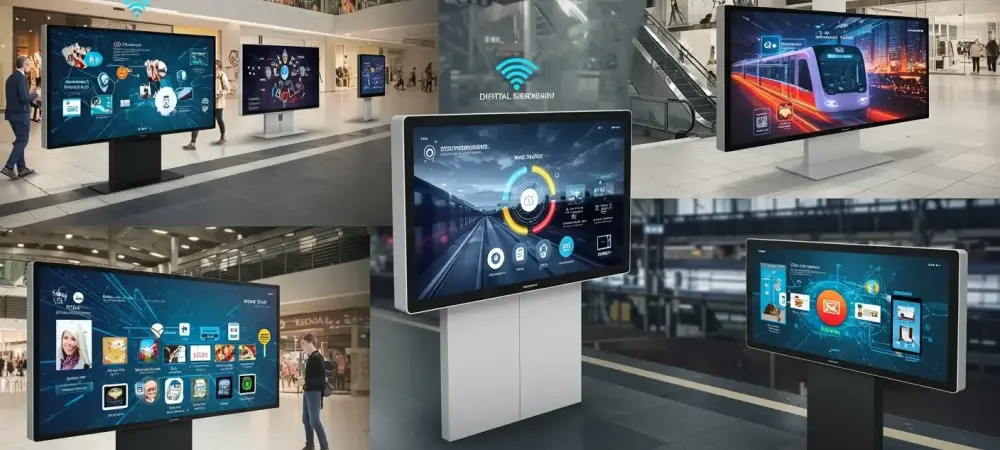
Digital Signage: Revolutionizing Business Across Industries
As businesses increasingly migrate toward a digital-first approach, the need for seamless system integration and advanced information visualization becomes paramount. CAYIN Technology’s SMP digital signage player emerges as a pivotal tool in this transformation, particularly in sectors such as manufacturing, healthcare, and government. Its ability to facilitate real-time data sharing and enhance decision-making processes has placed it at the core of strategic operations within these industries.
Market Analysis: Current Trends and Digital Integration
The landscape of digital signage has undergone significant transformation, evolving from static displays to dynamic, interconnected platforms. This evolution is driven by advancements in technology, the increasing demand for real-time data access, and a growing emphasis on efficiency and communication within professional environments. The SMP player plays a crucial role in meeting these needs, offering robust capabilities that support smart operations and improved system integration. In manufacturing, its integration with ERP, MES, and SCADA systems provides unparalleled access to real-time production data, facilitating quicker response times and more informed decision-making. Meanwhile, healthcare entities leverage SMP to enhance patient experience by optimizing appointment systems and disseminating crucial health information. In the government sector, the platform’s utility is seen in emergency alerts and centralized announcements that ensure timely and authoritative communication.
Predictions and Future Projections
The demand for digital transformation and integrated systems is projected to grow exponentially. With technologies like AI and IoT gaining traction, CAYIN Technology’s SMP is anticipated to adapt and expand its functionality to accommodate these innovations. The potential for enhanced operational efficiency through advanced system integration is vast, suggesting a shift toward more connected and interactive environments across sectors. As markets evolve, the importance of regulatory compliance and economic stability will be crucial, with the SMP player poised to meet these challenges through strategic partnerships and ongoing innovation.
Strategic Insights and Recommendations
Businesses looking to optimize their operations via digital transformation can benefit greatly from the strategic integration of SMP into their systems. By following best practices and harnessing the full potential of digital signage solutions, companies can achieve greater efficiency and communication effectiveness. Implementing actionable strategies for integration and operation in diverse environments requires a thorough understanding of individual business needs and the ability to adapt solutions accordingly. The potential applications of SMP in driving smart environments are extensive, offering a pathway to future-ready business landscapes.
Reflecting on Market Impact and Future Actions
The widespread adoption of SMP across key sectors has underscored its transformative impact on digital signage and system integration. This evolution has reshaped industry operations, paving the way for enhanced data delivery and informed decision-making. As companies continue to embrace advanced technologies, the integration of solutions like CAYIN’s SMP reflects a strategic commitment to innovation and improved operational outcomes. Looking ahead, businesses need to focus on alignment with technology trends to maintain competitive advantages and leverage new opportunities for growth and efficiency in an increasingly digital market.