

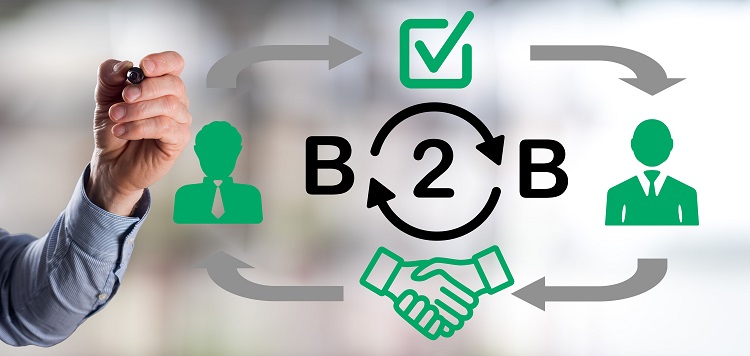
The software-as-a-service (SaaS) industry has transformed the B2B space, making it more active and competitive than ever before. To succeed in this environment, businesses need to accelerate their B2B sales process, improve customer relationships, and customize their approach to meet individual needs. Fortunately, there are several tech tools, tips, and insights that can help businesses achieve these goals and grow their revenue. In this article, we will explore how tech solutions can boost your B2B sales process. We will discuss tools designed to speed up sales, overcome demo conversion challenges, personalize the sales experience, capture customer interactions, and create customized quotes.
The Importance of Speed in B2B Sales
In the highly competitive world of B2B sales, promptness is essential. Customers expect a quick response to their inquiries, and even delays of a few hours can cost businesses valuable opportunities. To increase sales velocity, businesses can utilize tools that automate specific aspects of the sales process, such as email outreach, follow-up, and lead management. These tools can significantly streamline the sales pipeline, freeing up time for businesses to prioritize high-value activities like closing deals and building relationships.
Overcoming Conversion Challenges During a Demo
Converting demos is one of the biggest challenges faced by B2B businesses. In B2B sales, it is essential to demonstrate the value proposition of products or services to prospective customers to close deals successfully. Unfortunately, businesses often fail to convert demos, resulting in potential customers losing interest and feeling dissatisfied. To overcome this challenge, businesses can use various tips and solutions to improve demos and increase conversion rates. For instance, they can tailor their demos to meet specific customer needs, emphasize the most essential features, and employ interactive formats to engage customers.
The Power of Personalization in B2B Sales
Personalization is a crucial factor in driving B2B sales. Customers are seeking customized solutions that meet their unique needs, and businesses that can deliver personalized experiences are more likely to succeed. According to a recent McKinsey study, enhanced personalization can result in an increase of up to 40% in revenue. To achieve this level of customization, businesses can utilize tools that analyze customer data, segment customers by their needs, and develop personalized content and messaging that speaks directly to their audience.
The Role of Data in B2B Sales
In the world of B2B sales, data plays a vital role in helping businesses make informed decisions that can drive revenue growth. By analyzing data on customer behavior, market trends, and sales performance, companies can develop targeted sales strategies and improve their overall sales effectiveness.
For example, data analysis can reveal which products or services are most popular among customers, which marketing channels are driving the most traffic and leads, and which sales techniques are most effective in closing deals. Armed with this information, businesses can tailor their sales approach to be more effective in reaching potential customers and closing deals.
In addition, data can also provide insights that help businesses identify potential opportunities for growth and expansion. By analyzing market trends and customer behavior, companies can identify areas where demand is growing and adjust their sales strategies accordingly.
Ultimately, data is a valuable asset for any B2B sales team. By leveraging data insights, businesses can improve their sales performance, drive revenue growth, and stay ahead of the competition.
The power of hyper-personalized cold emails
Cold emailing is a popular technique used in B2B sales to reach out to prospects and generate leads. However, traditional cold emailing methods may not prove effective in today’s competitive market. To stand out from the crowd, businesses can utilize hyper-personalized cold emails that directly address the individual needs of potential customers. LemList offers a three-step cold email system that assists businesses in finding leads, crafting customized messages, and enhancing cold pitch conversion rates.
The Importance of Technological Solutions in B2B Sales
The B2B sales process is constantly evolving, requiring businesses to adapt in order to succeed. Technology solutions provide a means to increase sales velocity, enhance customer relationships, and personalize the sales experience. By embracing these solutions, businesses can retain their competitive edge in today’s fast-paced marketplace and establish enduring relationships with their customers.
In order to boost B2B sales and support sales teams, businesses should consider implementing technological solutions such as those discussed here. Tools like email automation, customer interaction tracking, hyper-personalized cold emails, and customized quotes can significantly enhance the B2B sales experience and provide businesses with crucial insights and tools necessary for success. By leveraging the right technological solutions for their needs, businesses can gain a competitive edge, increase their sales volume, and build strong and lasting relationships with their customers.