

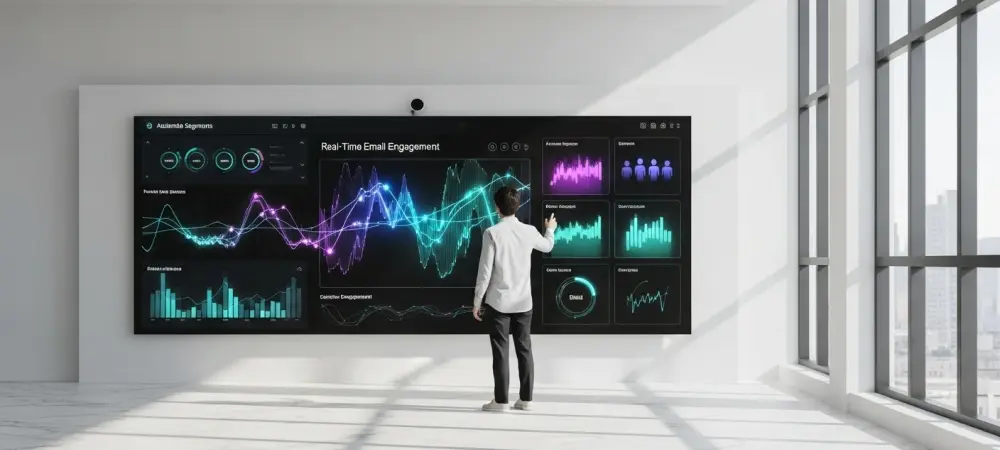
The era of guessing which subject lines will resonate with a diverse audience has been replaced by a data-driven paradigm where machine learning anticipates user needs with startling accuracy, fundamentally altering the way businesses communicate with their customers. In this current marketing landscape, the reliance on static data and manual labor, which previously led to broad assumptions and significant human error, has given way to sophisticated algorithms that automate complex decision-making processes. Modern marketers no longer simply analyze performance metrics after a campaign has concluded; they utilize predictive modeling to optimize every element before an email is even dispatched. This transition from a reactive posture to a proactive model ensures that every interaction is tailored to the individual recipient based on real-time engagement data. By automating the selection of the right audience, the most relevant content, and the optimal delivery time, artificial intelligence ensures that marketing efforts are both precise and scalable, removing the traditional bottlenecks of manual campaign management. This shift allows organizations to move beyond the limitations of basic spreadsheet analysis and embrace a more efficient, automated model of digital communication that adapts to the fluid nature of consumer behavior.
Transforming Audience Engagement Through Behavioral Intelligence
Shifting from Static Profiles to Behavioral Analytics
Traditional segmentation strategies typically focused on demographic details like geographic location or job titles, which remained rigid over time and often failed to account for rapidly changing consumer interests. In 2026, AI-powered segmentation recognizes that a user’s behavior is a far more accurate indicator of their future intentions than the initial sign-up data they provided months or years ago. This approach allows brands to maintain a more nuanced and evolving understanding of their audience as they interact with content over the long term. Rather than grouping individuals into broad buckets, systems now track micro-interactions to create a fluid profile that reflects current needs. This granularity ensures that marketing messages do not become stale or irrelevant as the customer progresses through different life stages or professional roles. The result is a system that understands the person behind the email address, rather than just the data points associated with it, leading to higher trust and better long-term brand loyalty.
By analyzing active signals such as specific click-through rates, the time elapsed since the last purchase, and even the types of devices used for browsing, AI can identify disengaged users before they go completely cold. These dynamic segments update automatically in real time, eliminating the need for marketing teams to manually rewrite complex logic or “if-then” statements within their databases. This automated maintenance ensures that the right message always reaches the person most likely to find it relevant at that exact moment. Furthermore, these systems can predict when a user is entering a high-intent phase based on patterns seen in similar customer journeys across the entire database. By staying ahead of the user’s next move, companies can provide solutions before the customer even realizes they have a need. This predictive capacity transforms the inbox from a source of noise into a helpful assistant that provides value at the most opportune times.
Empowering Marketers with Accessible Data Science
Advanced tools now utilize Natural Language Processing to allow marketing teams to build complex segments using plain English descriptions rather than requiring deep knowledge of SQL or database architecture. This democratization of data science enables smaller organizations to execute sophisticated targeting strategies that were once the exclusive domain of enterprise-level firms with dedicated analysts. It effectively removes the technical barrier to entry for high-level audience manipulation, allowing creative teams to focus on strategy rather than technical hurdles. When a marketer can simply ask a system to “find all users who viewed the summer collection but did not purchase and have opened an email in the last three days,” the speed of execution increases exponentially. This agility is crucial in a fast-moving digital economy where the window of opportunity to convert a lead can be measured in minutes or hours rather than days or weeks.
The integration of these language models also means that the insights derived from the data are more actionable for the entire organization. Instead of receiving a static report with columns of numbers, marketing managers get descriptive insights that explain the “why” behind the data. For instance, the system might highlight that a particular segment is responding better to educational content than to promotional offers, suggesting a shift in content strategy for that group. This level of insight allows for a more collaborative environment where different departments can align their goals based on clear, data-driven evidence. It also fosters a culture of experimentation, as the cost and time associated with testing new segments are significantly reduced. By making data science accessible to the non-technical user, organizations can leverage their most creative minds to solve complex marketing challenges without being held back by a lack of specialized coding skills.
Redefining Content Creation with Deep Personalization
Moving Beyond Cosmetic Customization
While many brands still rely on simple name-based greetings to establish a connection, modern consumers demand much deeper levels of relevance to stay truly engaged with a brand. AI facilitates this through “Deep Personalization,” which modifies the actual substance of the message based on historical interaction data and current user intent. This moves personalization from a simple cosmetic addition to a foundational element of the marketing strategy that dictates the structure and tone of every email sent. By leveraging machine learning, platforms can now assemble a completely unique email for every single recipient on a mailing list, ensuring no two people receive the identical layout. This level of customization was impossible just a few years ago but is now a standard requirement for brands looking to cut through the noise of a saturated digital environment. Consumers have become accustomed to this level of service in other areas of their digital lives, and they now expect the same from their email communications.
This technology allows for the optimization of subject lines and the insertion of dynamic content blocks that match a subscriber’s specific browsing history or past purchase behavior. For example, a retail brand can automatically swap out hero images to show products in a category the user recently explored on the website, increasing the likelihood of a click. Even the calls-to-action are adjusted to reflect the recipient’s current stage in the buying cycle, significantly boosting conversion metrics across the board. If a user is a first-time visitor, the CTA might lead to an educational blog post, whereas a returning customer might see a direct link to their abandoned cart. This intelligent content assembly ensures that the brand always provides the most logical next step for the individual, reducing friction and making the path to purchase as smooth as possible. The resulting highly individualized experience feels curated and thoughtful, rather than mass-produced and intrusive.
Optimizing Visual and Textual Content Blocks
Beyond the basic text of an email, artificial intelligence is now being used to optimize the visual elements and overall aesthetic of marketing campaigns to suit individual preferences. By testing thousands of variations of layouts, color schemes, and image placements, machine learning models can determine which visual styles drive the highest engagement for specific audience segments. This means that a younger demographic might receive an email with bold colors and minimal text, while a professional audience receives a more traditional, text-heavy layout that prioritizes detailed information. This aesthetic personalization ensures that the visual “vibe” of the brand aligns with the expectations and tastes of the recipient, further strengthening the brand-consumer relationship. This process happens at scale and in real time, allowing for a level of visual experimentation that would be impossible for a human design team to manage manually.
Furthermore, the use of generative models allows for the creation of unique copy that resonates on an emotional level with different personality types. Some users respond better to urgency-driven language, while others prefer a more supportive and informative tone. AI can analyze past responses to determine which linguistic style works best for each person and then generate the appropriate copy for the email body and subject lines. This ensures that the brand voice remains consistent while the specific delivery of the message is optimized for maximum impact. Over time, these systems learn from every interaction, refining their understanding of what triggers a positive response and what leads to a deletion or an unsubscribe. This continuous feedback loop creates a marketing engine that becomes more effective with every campaign, allowing brands to maintain a high level of relevance even as consumer preferences and market trends continue to shift.
Maximizing Impact through Temporal and Predictive Insights
Mastering Temporal Precision with Send Time Optimization
Traditional delivery methods involved sending messages to an entire list simultaneously, which often resulted in emails being buried under a mountain of newer messages in a crowded inbox. Send Time Optimization uses engagement history to predict exactly when an individual is most likely to check their email and interact with the content. This ensures the brand remains visible at the top of the list during the moment the user is most active, significantly increasing the chances of an open. For a professional who checks their email at 8:00 AM on a commute, the message arrives then; for a student who is more active late at night, the delivery is delayed until their peak activity window. This granular approach requires vast amounts of historical data to be effective, eventually creating a highly personalized communication rhythm for every single contact in the database. It maximizes the critical “first-look” advantage that determines whether an email is read or ignored.
By creating these personalized delivery windows, brands ensure their content appears at the top of the inbox during peak activity hours for each specific recipient, regardless of their time zone or daily schedule. This level of precision helps to mitigate the problem of “inbox fatigue,” where users feel overwhelmed by the volume of messages they receive at specific times of day. When emails arrive when the user is already in a “checking” mindset, they are perceived as more helpful and less intrusive. This strategy also helps organizations manage their server loads and delivery rates more effectively, as the volume of outgoing mail is spread out over a longer period rather than hitting the network all at once. Over time, the system can even detect changes in a user’s routine—such as a move to a new time zone or a shift in working hours—and adjust the delivery schedule accordingly without any manual intervention from the marketing team.
Leveraging Predictive Modeling for Risk Mitigation
Predictive analytics allow marketers to look forward rather than backward, forecasting the likely success of a campaign before it is even launched to the public. AI identifies high-value customers by estimating their total lifetime value and predicting their next likely purchase date based on their historical behavior and the behavior of similar users. This helps businesses prioritize their outreach and budget to those who contribute the most to the bottom line, ensuring that resources are not wasted on low-probability leads. By understanding the predicted trajectory of a customer, a brand can intervene with a special offer or a loyalty reward at exactly the right moment to secure a high-value sale. This strategic prioritization allows for a more efficient allocation of the marketing budget, moving away from “spray and pray” tactics toward a model of surgical precision that rewards the most loyal segments of the audience. These models also serve as early warning systems by flagging segments or individuals that might have a high likelihood of unsubscribing or churning in the near future. This proactive feedback loop enables marketers to adjust their messaging, frequency, or overall strategy to protect long-term list health before any permanent damage occurs. For example, if the system detects a drop in engagement from a previously active user, it might trigger a “win-back” campaign with a unique incentive tailored to that user’s past interests. This transforms the marketing process into a continuous cycle of improvement where the focus is on maintaining a healthy, engaged audience rather than just chasing short-term metrics. By mitigating risk through data-driven insights, organizations can build a more resilient and sustainable marketing operation that can withstand fluctuations in market conditions or changes in consumer sentiment.
Enhancing Workflows and Ensuring Deliverability
Automating Sophisticated Customer Journeys
Building complex drip campaigns used to require the manual mapping of every possible decision branch, which was both incredibly time-consuming and prone to human error. AI-assisted journey builders now suggest branching logic and generate appropriate content for each step of the customer journey based on the goals defined by the marketer. This streamlines the creative process and allows for the implementation of more complex automations without the associated administrative burden that usually accompanies such projects. Instead of building a static “if-then” tree, marketers now design a goal-oriented framework, and the AI determines the best path for each individual to reach that goal. This shift from manual pathing to goal-based automation allows for a much more flexible and responsive customer experience that can adapt to the unpredictable nature of human behavior in real time.
Intelligent triggers, such as those for abandoned carts, price drops on favorited items, or post-purchase follow-ups, ensure that messages are sent at the moment of highest intent. By integrating with CRM tools and other data sources, these automations can also react to offline events like support ticket resolutions, sales pipeline shifts, or even in-store visits. This creates a seamless experience for the customer across all touchpoints with the brand, ensuring that the email they receive is always in sync with their most recent interaction. For instance, if a customer just finished a successful support call, the next email they receive shouldn’t be a generic sales pitch but rather a follow-up asking for feedback or providing a relevant tutorial. This level of cross-channel coordination ensures that the brand speaks with a single, unified voice, regardless of where the interaction takes place, which significantly enhances the overall customer experience.
Safeguarding Inbox Placement and Sender Reputation
Email deliverability is a cornerstone of marketing success, and AI helps navigate the increasingly strict filters used by major providers like Google and Outlook. Machine learning algorithms analyze language patterns, HTML structures, and link placements to flag potential spam signals before they ever reach a recipient’s inbox. This preemptive check is vital for maintaining high placement rates and ensuring that the work put into content creation actually results in eyes on the page. These systems can also simulate how different inbox providers will categorize an email, allowing marketers to make adjustments to the subject line or body copy to avoid being relegated to the “Promotions” or “Spam” tabs. In an environment where inbox providers are constantly updating their filtering logic, having an AI-driven tool that can adapt to these changes in real time is an essential asset for any serious marketing team.
Constant monitoring of sender reputation is equally essential, as even minor spikes in complaint rates or bounce rates can damage domain authority for an entire organization. AI tools alert marketers to dangerous thresholds and provide real-time list hygiene by validating email addresses during the sign-up process to prevent “spam traps” from entering the database. These safeguards ensure that marketing efforts are not wasted on unreachable or harmful addresses that could jeopardize the entire email program. Furthermore, these tools can analyze the “engagement health” of a list, suggesting that certain inactive users be removed or moved to a lower-frequency mailing schedule to maintain a high sender score. By automating the technical aspects of deliverability and reputation management, AI allows marketers to focus on the creative and strategic elements of their campaigns, confident that their messages will actually reach their intended destination.
Strategic Implementation and Long-Term Integration
Choosing the Right Technological Infrastructure
When adopting these advanced technologies, marketers must choose between native AI features within their existing email service platforms or third-party integrations that offer specialized capabilities. While native tools offer seamless data access and ease of use for smaller teams, external bridges provide more flexibility and power at the cost of increased technical complexity and integration requirements. The decision ultimately depends on the specific goals, budget, and technical capabilities of the marketing department, as well as the existing technology stack. Some organizations prefer a “best-of-breed” approach, where they connect several specialized AI tools together, while others favor a “single-pane-of-glass” solution that handles everything in one place. Regardless of the path chosen, the priority should always be on data portability and the ability of different systems to communicate with one another to provide a holistic view of the customer.
Successfully integrating AI into a marketing department also requires a shift in mindset and a willingness to embrace new workflows that prioritize data over intuition. This often involves training existing staff on how to interact with AI tools, such as learning how to write effective prompts for generative copy or how to interpret the outputs of a predictive model. It may also require the hiring of new roles, such as marketing technologists or data strategists, who can bridge the gap between the creative and technical sides of the operation. The goal is to create a symbiotic relationship where the AI handles the heavy lifting of data analysis and automation, while the humans provide the creative direction and ethical oversight. By aligning the technological infrastructure with the human talent in the organization, companies can create a powerful marketing engine that is greater than the sum of its parts, capable of delivering highly personalized experiences at an unprecedented scale.
Future Perspectives on Marketing Integration
Marketers successfully integrated these advanced systems by first identifying the specific bottlenecks in their existing workflows and then applying targeted AI solutions to solve them. Organizations found that the transition was most effective when they started with small, measurable pilots, such as implementing Send Time Optimization or basic behavioral triggers, before moving on to full-scale deep personalization. This phased approach allowed teams to build confidence in the technology and demonstrate clear ROI to stakeholders before committing to a total overhaul of their marketing stack. It was also discovered that the most successful firms were those that maintained a high level of transparency about how they used data, ensuring that their personalized experiences were seen as helpful rather than invasive. This focus on ethical data practices proved to be a key differentiator in building long-term trust with a savvy and privacy-conscious consumer base. The implementation of these tools required a fundamental shift in how success was measured, moving away from surface-level metrics like open rates toward more meaningful indicators of long-term value and customer satisfaction. Decision-makers realized that the true power of AI was not just in increasing efficiency, but in its ability to foster deeper, more meaningful connections with individuals. Looking ahead, the focus remained on refining these models to be even more responsive to subtle changes in consumer sentiment and external market forces. Practical next steps involved auditing existing data sets for quality and consistency, as the performance of any AI system is ultimately dependent on the data it is fed. By prioritizing data hygiene and cross-departmental alignment, businesses established a solid foundation for continued innovation in an increasingly automated world. The journey toward full AI integration was characterized by a commitment to continuous learning and a relentless focus on providing the best possible experience for every single person in the database.