

The mobile industry landscape faces a significant shift as leaked technical specifications for the upcoming Google Pixel 11 Pro XL suggest a radical departure from traditional silicon partnerships. This year, the focus centers on the Tensor G6 chip, which represents a pivotal milestone in the quest for hardware autonomy and specialized artificial intelligence processing. While previous iterations relied heavily on external architectural frameworks, the new data indicates that the 11 Pro XL will utilize a more bespoke design optimized for the sophisticated demands of the Android 17 ecosystem. This transition is not merely about raw processing speed but involves a comprehensive overhaul of thermal efficiency and power management strategies. As mobile gaming and generative AI applications become more resource-intensive, the pressure on the hardware layer has reached a boiling point, necessitating an architecture that balances peak performance with the constraints of a handheld form factor. Consumers and analysts alike are closely monitoring these developments to see if the hardware can finally match the excellence of the software experience.
Evolution of the Tensor Architecture: Strategic Performance Gains
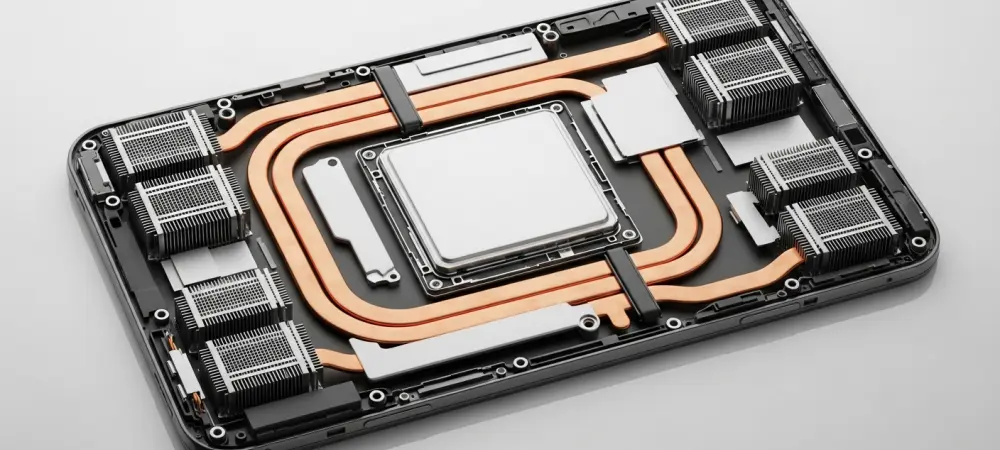
Recent documentation points toward a significant manufacturing shift as the Tensor G6 moves toward an advanced process node, likely utilizing a two-nanometer architecture to maximize transistor density. This leap in fabrication technology allows for a substantial reduction in power consumption while simultaneously increasing the clock speeds across the primary core clusters. The leak suggests a refined tri-cluster arrangement featuring a high-performance primary core specifically designed to handle the heavy computational loads associated with real-time video rendering and large-scale language models. Unlike earlier versions that struggled with sustained performance during intense usage, the Pixel 11 Pro XL is expected to incorporate a revamped thermal dissipation system that complements the efficiency of the new silicon. By optimizing the physical layout of the chip, the engineering team has apparently minimized internal resistance, which prevents the device from throttling under load. This strategic focus on reliability ensures that users can maintain high-fidelity experiences during extended sessions without experiencing the sudden performance drops that previously hampered the series.
Next-Generation Integration: The Role of Artificial Intelligence and Security
Beyond the standard CPU and GPU metrics, the leaked specifications highlight a massive upgrade to the dedicated Tensor Processing Unit, which now handles multimodal AI tasks with unprecedented fluidity. The integration of this hardware allows for on-device processing of complex image data and voice recognition without the need for constant cloud connectivity, thereby enhancing user privacy and reducing latency. Security remained a cornerstone of the design philosophy, with the Titan M3 security chip evolving to counter more sophisticated digital threats through hardware-level encryption and secure boot protocols. The synergy between these components created a robust foundation for a device that prioritized both safety and speed. Looking forward, developers should prepare to optimize their applications to leverage the increased neural compute capacity, as this will likely become the benchmark for the next several years. Organizations interested in high-security mobile deployments found it necessary to evaluate these specific hardware silos to ensure long-term compatibility with evolving data protection regulations. The shift towards this more integrated approach provided a clear roadmap for future hardware revisions that emphasized specialized silicon over generic performance metrics.