

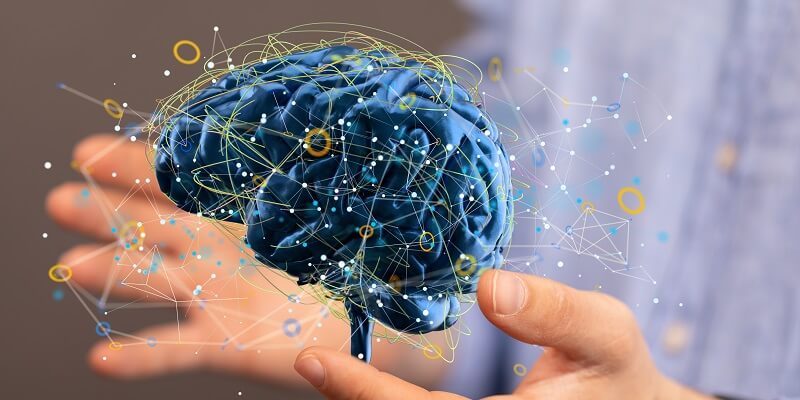
From email marketing to social media advertising to search engine optimization, the world of digital marketing has come a long way over the past few years. In the current digital era, marketers are utilizing various technology platforms to reach potential customers and engage with them creatively. One of the most transformative forces making its presence felt in digital marketing nowadays is artificial intelligence (AI).
The integration of AI into digital marketing has opened up new possibilities for customer engagement. AI provides marketers with innovative tools that enable them to take customer interactions to the next level and offer a more personalized experience. AI has become an increasingly valuable asset for marketers because of its remarkable ability to sift through massive amounts of data, anticipate consumer behavior, and automate complex tasks. This provides marketers with the insights they need to make data-driven decisions that improve the overall effectiveness of their campaigns.
Understanding AI and Its Role in Digital Marketing
At its most fundamental level, Artificial Intelligence is a field of computer science dedicated to creating intelligent systems that can perform tasks that usually require human intelligence. Think of AI as a machine that operates on its own, learns, adapts, and evolves through machine learning. The technology empowers the machine to recognize patterns and unique characteristics from user behavior, which can be used to provide a more personalized experience.
The role of Artificial Intelligence in digital marketing is expansive and continually evolving. From predictive analytics to customer service, AI has become an indispensable tool for maximizing the effectiveness of digital marketing campaigns. One area where AI is already having an impact on digital marketing is predictive analytics. This technology allows marketers to analyze the large amounts of data generated by customers’ online behavior, predict their future actions, and tailor marketing efforts for maximum effectiveness.
Leveraging AI for Personalized Customer Experiences
The integration of AI into digital marketing has enabled businesses to provide much more personalized customer experiences. By analyzing user data, AI can provide marketers with insights that can help them deliver the right message to the right customers at the right time. By providing customers with relevant, personalized information that is tailored to their particular interests and needs, businesses can keep them engaged and improve their overall experience.
In recent years, various companies such as Amazon, Netflix, and Spotify have leveraged AI to provide personalized user experiences. Amazon’s recommendation system is one of the most successful uses of predictive analytics, offering product recommendations tailored to the individual customer’s previous purchasing habits. Netflix uses AI to provide personalized recommendations for the individual viewer based on their viewing history, while Spotify uses AI for personalized music recommendations based on users’ listening habits.
The Future of AI in Digital Marketing
As we move forward, AI will continue to play an increasingly important role in digital marketing. Businesses that can effectively harness the power of AI to gain insights and create personalized experiences for customers will lead the way in the digital marketing arena. The world of AI is constantly evolving, with new tools and technologies emerging all the time. Thus, it is vital for businesses to remain up-to-date with the latest technologies and tools to capitalize on the benefits that AI can offer.
In conclusion, the integration of AI into digital marketing has opened up new possibilities for customer engagement, personalization, and data-driven decision-making. AI has remarkable abilities that empower marketers to analyze massive amounts of data, automate complex tasks, and anticipate consumer behavior, providing a more personalized experience. The future of AI in digital marketing is promising, with new technologies and tools expected to emerge in the coming years. As more and more businesses integrate AI into their digital marketing strategies, those who can effectively harness the power of AI will lead the way in engaging their customers and driving growth.