

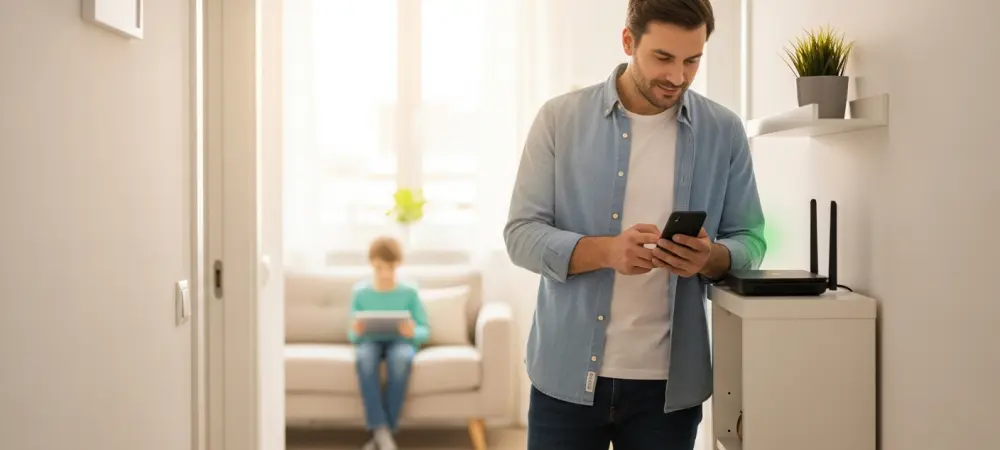
In an age where digital connectivity permeates every corner of the modern household, the humble Wi-Fi router has quietly evolved from a simple gateway to the internet into a sophisticated command center for domestic cybersecurity and child protection. As households become increasingly crowded with smart televisions, tablets, gaming consoles, and smartphones, the challenge of managing individual device settings has become nearly insurmountable for the average parent. Relying solely on software installed on each gadget is a fragmented strategy that often leaves gaps for unwanted content or excessive screen time to slip through. Instead, moving the point of control to the hardware level—the router itself—provides a centralized and more robust solution for overseeing everything that enters or leaves the home network. This shift represents a fundamental change in how families interact with the web, turning a piece of networking equipment into a proactive shield against the many risks associated with unsupervised browsing.
Content Filtering: Establishing a Digital Perimeter
Network-level filtering operates by scrutinizing data requests at the very moment they attempt to enter the home environment, providing a layer of security that software-based solutions cannot always match. By utilizing custom Domain Name System (DNS) settings, a router can be configured to automatically block access to websites categorized as adult content, gambling, or known sources of malware before a single pixel loads on a child’s screen. Many modern routers from major manufacturers now integrate these services directly into their firmware, allowing parents to toggle specific categories of prohibited content with a single click. This approach ensures that even if a child discovers a new browser or an unmonitored app, the underlying network infrastructure remains steadfast in its refusal to resolve requests for inappropriate domains. It creates a baseline of safety that is difficult for tech-savvy youngsters to bypass using simple workarounds like private browsing modes.
Beyond broad content categories, sophisticated routers allow for the creation of distinct profiles for every family member, enabling tailored access based on age and maturity. This granular control is often achieved through MAC address filtering, where the router identifies specific devices—like a child’s dedicated tablet or a school laptop—and applies a unique set of rules to those connections while leaving adult devices unrestricted. Setting up a dedicated Guest Network or a secondary SSID specifically for children is another effective tactic, as it keeps their traffic isolated from the main home network where sensitive work documents or financial data might reside. This isolation not only protects the privacy of the parents but also provides a sandbox environment where security settings can be cranked to the highest level without interfering with the browsing needs of the adults in the house. This method effectively turns the router into a smart gatekeeper that knows exactly who is online and what they should see.
Strategic Management: Promoting Healthy Digital Boundaries
Establishing consistent schedules for internet availability is perhaps the most effective way to prevent the late-night browsing habits that often lead to sleep deprivation and unmonitored online interactions. Router-based time controls allow for the automation of a digital sunset, where the internet connection for specific devices is cut off at a predetermined hour, such as 8:00 PM on school nights. Unlike software timers that can sometimes be disabled by restarting a device or manipulating system clocks, a hardware-level cutoff is absolute and leaves no room for negotiation with the device itself. This proactive management helps foster healthier habits by removing the temptation of one more video or another round of an online game when the network simply ceases to respond. Furthermore, these schedules can be adjusted for weekends or holidays, providing flexibility that reflects the changing needs of a family while maintaining a core structure that prioritizes rest and offline activities.
The successful integration of these technical safeguards into daily routines proved that the Wi-Fi router was much more than a simple utility. Families that adopted a hardware-first approach to digital safety found that it provided a consistent and nearly invisible layer of protection that grew alongside their children’s online needs. It was beneficial to treat the router as a dynamic tool, requiring occasional updates and adjustments to settings as new applications and social trends emerged throughout the year. Taking proactive steps, such as setting up recurring security audits and ensuring that guest networks remained isolated, became standard practice for maintaining a healthy digital environment. Experts emphasized that while technology could mitigate many risks, the most effective strategy involved using these tools to initiate broader conversations about responsible internet usage. By the end of the implementation phase, households that combined technical boundaries with consistent oversight established a resilient foundation for safe browsing.