

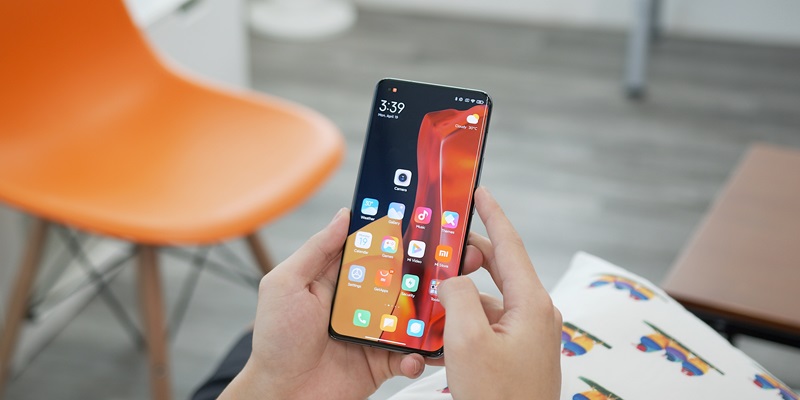
The smartphone market is abuzz with anticipation as Xiaomi’s sub-brand, POCO, prepares to unveil its latest offering, the POCO X6 5G. This upcoming device is expected to make a significant impact with its powerful specifications and intriguing connection to the popular Redmi Note 13 Pro 5G. Adding fuel to the excitement, internal references in MIUI’s code strongly suggest that the global variant of the POCO X6 will indeed bear the name “POCO X6 5G.” This confirmation opens up a world of possibilities for what this new device may bring to the table.
Display and Refresh Rate
The POCO X6 5G will boast a sizable 6.67-inch OLED display, providing users with an immersive visual experience. With an impressive 1.5K resolution and a smooth 120Hz refresh rate, this smartphone is set to offer stunning visuals, vibrant colors, and fluid scrolling.
Processor and Battery
Under the hood, we can expect the POCO X6 5G to be powered by the capable Snapdragon 7 series Gen 2 processor. This chipset assures efficient multitasking, seamless performance, and exceptional gaming capabilities. Additionally, the device will house a substantial 5,100mAh battery, ensuring extended usage without worrying about running out of power. Moreover, the 67W fast charging support will ensure quick top-ups, conveniently reducing downtime.
Memory and Storage
The POCO X6 5G aims to meet the demands of modern users by offering up to 8GB of RAM for smooth multitasking and a lag-free experience. The device will also feature ample internal storage options, providing users with a choice of up to 256GB. Whether it’s storing files, capturing high-resolution photos, or downloading an extensive library of apps, the POCO X6 5G ensures enough room for all your needs.
Camera Specifications
With a primary 64MP OmniVision OV64B camera featuring optical stabilization, the POCO X6 5G is primed to capture stunning photos with exceptional clarity and sharpness, even in challenging shooting conditions. And for those who love capturing selfies, the device offers a high-quality 16MP front-facing camera, ensuring great-looking self-portraits and crisp video calls.
Expected Release Date
While official information is still pending, industry speculations point towards a debut date for the POCO X6 5G sometime in December or early 2022. This projection has fans eagerly awaiting the release, ready to get their hands on this exciting mid-range smartphone.
Position in Xiaomi’s Smartphone Lineup
Positioned as a mid-range or mid-high range offering, the POCO X6 5G aims to strike a balance between affordability and impressive features. With its powerful chipset, top-notch camera capabilities, and stunning display, Xiaomi aims to cater to the needs of consumers who seek high performance without breaking the bank.
Design Comparison
Leaked information suggests that the POCO X6 5G will bear some striking similarities to the popular Redmi Note 10 Pro 5G. While the details are still speculative, elements from the Redmi Note 10 Pro 5G’s design will likely be carried over, offering a sleek and visually appealing aesthetic.
As Xiaomi’s sub-brand, POCO, prepares to unleash the POCO X6 5G upon the global market, smartphone enthusiasts have much to be excited about. Boasting powerful specifications, a stunning display, a capable processor, and impressive camera capabilities, the POCO X6 5G shows promise as a well-rounded mid-range offering. Whether it’s the captivating design or the anticipation of its release, the POCO X6 5G is poised to make waves in the smartphone market, providing users with an incredible smartphone experience without breaking the bank.