

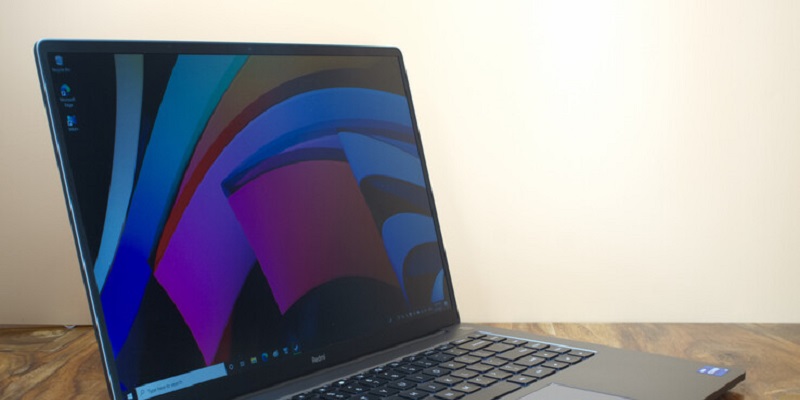
Xiaomi’s RedmiBook Pro 15 laptops, featuring AMD’s Ryzen 7 4800HS APUs, have finally hit the market and are quickly gaining popularity among tech enthusiasts worldwide. With their impressive specifications, sleek design, and affordable pricing, these laptops are touted as some of the best options in the highly competitive laptop market.
Global Launch and Popularity
The Xiaomi RedmiBook Pro 15 laptops have been launched globally, catering to a wide consumer base. The brand’s reputation for offering high-quality and cost-effective products has greatly contributed to the popularity of these laptops. Combining AMD’s cutting-edge Ryzen 7 4800HS APUs with Xiaomi’s innovative features, the RedmiBook Pro 15 stands out as an excellent choice for both casual users and professionals alike.
Specifications of the Ryzen 7 7840HS and Ryzen 5 7640HS models
Both the Ryzen 7 7840HS and Ryzen 5 7640HS models share similar specifications, with the primary difference lying in the CPU. The Ryzen 7 7840HS features an impressive 8 Zen 4 cores, 16 threads, and a clock speed that can reach up to 5.1 GHz. On the other hand, the Ryzen 5 7640HS offers 6 cores, 12 threads, and a clock speed of up to 5.0 GHz. These powerful APUs ensure smooth multitasking, enhanced productivity, and seamless performance for demanding tasks.
Memory and storage configuration
The Xiaomi RedmiBook Pro 15 laptops come equipped with 16 GB of LPDDR5-6400 memory, providing a lightning-fast and efficient computing experience. Additionally, the laptops feature a spacious 512 GB PCIe 4.0 SSD, allowing users to store their files, documents, and multimedia content with ease. This combination of ample RAM and high-speed storage ensures quick loading times, smooth application launches, and rapid data transfers.
Design and build quality
Sporting a sleek and premium design, the Xiaomi RedmiBook Pro 15 laptop boasts a CNC machined aluminum body that exudes elegance and durability. With a weight of just 1.78kg and a profile measuring 14.9mm, this laptop is impressively portable without compromising on performance. The refined aesthetics and attention to detail make the RedmiBook Pro 15 laptop truly stand out among its competitors.
Impressive display features
The RedmiBook Pro 15 laptops feature a stunning 3.2K (3200×2000) 120Hz HDR panel with 242 PPI (pixels per inch) and 100% sRGB coverage. This high-resolution display offers vibrant colors, sharp visuals, and an immersive viewing experience. Whether you’re working on graphic design projects or enjoying multimedia content, the RedmiBook Pro 15’s display delivers exceptional clarity and accuracy.
Efficient Cooling Solution and Camera
To ensure optimal performance and prevent overheating, the Xiaomi RedmiBook Pro 15 laptops come equipped with an internal dual-fan cooling system. This intelligent cooling solution effectively dissipates heat, allowing the laptop to maintain peak performance even during prolonged usage or intensive tasks. Additionally, the laptops are equipped with an integrated HD camera, enabling users to engage in video calls, conferences, and online meetings with ease.
Pricing details
Considering the remarkable specifications and features, the Xiaomi RedmiBook Pro 15 laptops are attractively priced. The Ryzen 7 7840HS variant is available at $670 US, providing exceptional value for the performance it delivers. Meanwhile, the Ryzen 5 7640HS variant is priced slightly lower at $640 US, making it an excellent choice for budget-conscious buyers. With these competitive price points, the RedmiBook Pro 15 laptops offer an unbeatable combination of affordability and top-notch performance.
In conclusion, the Xiaomi RedmiBook Pro 15 laptops with AMD’s Ryzen 7040HS APUs have emerged as exceptional contenders in the Phoenix laptop market. They boast impressive specifications, a sleek and portable design, stunning display features, efficient cooling, and competitive pricing. These laptops set a high standard for other manufacturers. Whether you’re a professional seeking high-performance or a casual user looking for a reliable laptop, the RedmiBook Pro 15 with its Ryzen 7040HS APUs is a compelling choice that won’t disappoint.