
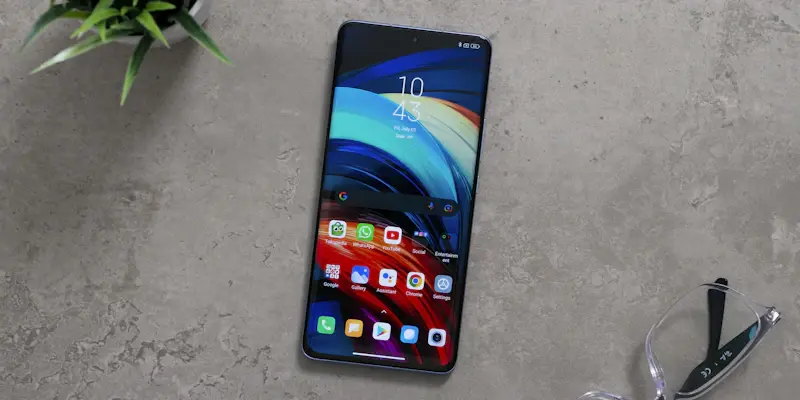
Xiaomi to Launch Poco F7 Pro and Ultra Globally Ahead of Anniversary

Article Highlights
Off On

Xiaomi is gearing up to launch its highly anticipated Poco F7 Pro and Poco F7 Ultra globally later this month, stirring excitement among tech enthusiasts and consumers alike. This significant event comes just ahead of the first anniversary of the Poco F6 and Poco F6 Pro, which were introduced on May 23 last year. The launch of these new models represents not only an evolution in the Poco lineup but also a strategic move by Xiaomi to capitalize on the growing momentum and anticipation surrounding their brand. Notably, the Poco F7 Ultra recently made an appearance on the National Broadcasting and Telecommunications Commission (NBTC) in Thailand under the model number 24122RKC7G, further solidifying the buzz around the imminent release. This same model has been identified as the global version of the Redmi K80 Pro, featuring the powerful Snapdragon 8 Elite chipset, as revealed by benchmarking results on Geekbench.

Anticipation and Expectations Surrounding the Launch

Reports indicate that Xiaomi is planning a global launch event for the Poco F7 series on March 27. However, this date hasn’t been officially confirmed by Xiaomi or Poco. If the event happens as rumored, we can expect teasers and promotional materials to emerge this week, further fueling excitement. The early launch, compared to the previous models’ anniversary, underscores Xiaomi’s strategy to make a significant impact and meet the high demand for these devices.

Key highlights include the Poco F7 Ultra’s certification from Thailand’s NBTC and its impressive specs, which suggest a high-performance smartphone. These details are attracting tech enthusiasts who seek the latest in sleek, powerful smartphones. Notably, the inclusion of the Snapdragon 8 Elite chipset positions the Poco F7 Ultra as a strong competitor in the premium smartphone market, promising outstanding performance and reliability. The combination of launch information and model certification indicates a carefully orchestrated early release strategy by Xiaomi. As March 27 approaches, the tech community eagerly anticipates what Xiaomi and Poco will unveil with their new flagship models.

Explore more

Why Corporate Wellness Programs Fail to Fix Workplace Stress

The modern professional often finds that for every dollar spent on a meditation app by their employer, nearly one hundred and fifty dollars are drained from the global economy due to systemic burnout and disengagement. This economic disparity highlights a growing tension between the wellness industry, which has grown into a juggernaut worth sixty billion dollars, and the eight point

How to Fix the Workplace Communication and Feedback Crisis

The silent erosion of professional morale often begins not with a grand failure of strategy but with the subtle, persistent friction caused by poorly articulated managerial guidance. This disconnect between managerial intent and employee performance represents a significant hurdle for modern organizations, as traditional critique methods frequently lead to burnout rather than improvement. Addressing the central challenge of workplace communication

How Can You Close the Feedback Gap to Retain Top Talent?

When elite professionals choose to resign, the departure frequently stems from a prolonged absence of meaningful dialogue regarding their trajectory within the organization and the specific expectations surrounding their professional contributions. This silence creates a vacuum where uncertainty flourishes, eventually pushing high achievers toward the exit. Research indicates that nearly half of all employees who voluntarily leave their roles cite

Can AI Infrastructure Redefine Wealth Management?

The once-revolutionary promise of digital wealth management has hit a ceiling where simply layering more software atop crumbling legacy systems no longer yields a competitive edge for modern firms. This realization has sparked a fundamental shift in how the industry approaches technology. Instead of pursuing cosmetic updates, firms are now looking at the very bones of their operations to find

Family Office Models Reshape Korean Wealth Management

The skyline of Seoul no longer just represents industrial might but also signals a historic accumulation of private capital that is forcing the nation’s most prestigious financial institutions to rewrite their playbooks entirely. The traditional private banking model, once centered on the 1-billion-won investor, is undergoing a radical metamorphosis. As of 2026, a burgeoning class of ultra-wealthy households has redefined