

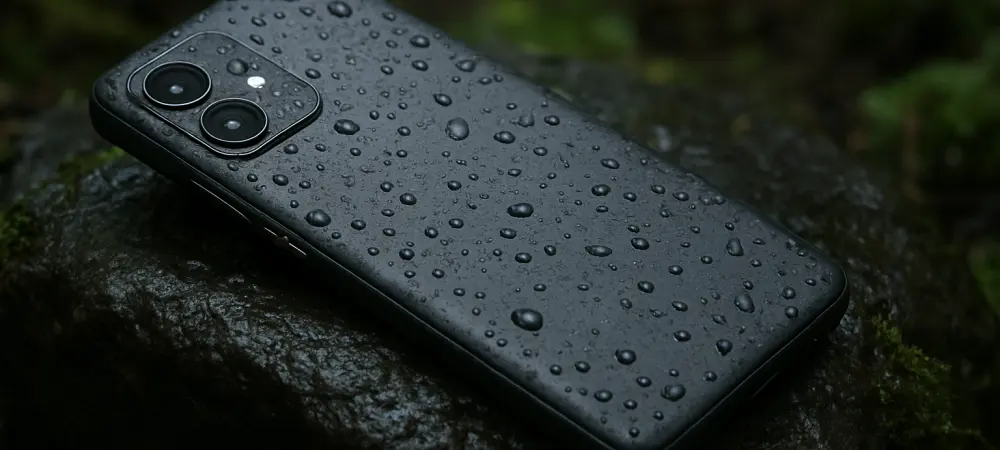
The transition from fragile consumer electronics to devices capable of surviving extreme environmental conditions has reached a critical tipping point with the arrival of the Xiaomi Poco X8. This analysis explores how the hardware successfully integrates high-end engineering within a resilient yet stylish frame that challenges previous industry standards for rugged equipment.
Evolution of the Rugged Professional Smartphone
Modern mobile technology has shifted away from bulky industrial tools toward streamlined devices that maintain structural integrity without sacrificing a professional look. This movement signifies a radical change in how professionals interact with digital interfaces while working in unpredictable outdoor environments. High-performance internals now coexist with sophisticated protective shells, allowing for a seamless transition between heavy labor and corporate management. This evolution reflects the growing demand for versatile hardware that remains functional across diverse and demanding settings.
Core Engineering and Technical Specifications
The internal architecture of the Poco X8 prioritizes long-term durability by reinforcing critical failure points like screen edges and port seals. Engineers utilized advanced polycarbonate blends to ensure the device remains lightweight while absorbing significant kinetic energy during accidental drops.
Moreover, the integration of high-speed processing components ensures that the device maintains peak performance even when thermal levels fluctuate. This technical balance provides a reliable user experience that avoids the lag typically associated with specialized durable hardware.
Structural Resilience and Environmental Protection
Achieving IP68 and IP69K certifications requires a meticulous sealing process that prevents water, dust, and mud from penetrating the sensitive motherboard. The chassis functions as a fortified barrier, maintaining internal pressure and preventing liquid ingress even during deep submersion or high-pressure washing. The shock-absorbent design utilizes internal dampening layers to dissipate impact forces across the entire frame. This specific engineering choice ensures the screen remains intact after falls onto abrasive surfaces, outperforming traditional glass-backed consumer smartphones.
Power Management and Display Visibility
A massive 8,340 mAh battery addresses the primary concern of field professionals who lack frequent access to external charging sources. This energy capacity allows for extended operations, supporting continuous GPS tracking and high-speed connectivity throughout multi-day expeditions. The display provides a brightness of over 1,000 nits, which is essential for maintaining readability under the intense glare of direct sunlight. Outdoor visibility is further enhanced by specialized coatings that reduce reflections, ensuring that navigation maps and data remain clear.
Emerging Trends in Durable Mobile Hardware
The current market is moving toward an office-ready aesthetic where rugged features are hidden within a sophisticated gray or white finish. Consumers no longer accept the trade-off of an unattractive exterior in exchange for durability, forcing manufacturers to innovate with slimmer protective materials. Affordability has also become a central trend, as users seek high-durability hardware without the premium pricing of legacy brands. This shift has democratized access to tough technology, making it a viable choice for regular commuters and outdoor hobbyists alike.
Real-World Applications and Deployment
Industries such as field research and large-scale construction have deployed the Poco X8 to streamline on-site data collection and communication. The reliability of the device in extreme temperatures ensures that critical workflows are never interrupted by hardware failures.
Professional athletes and hikers also utilize the integrated navigation systems to manage routes in remote areas where durability is a safety requirement. The device serves as a central hub for biometric tracking and emergency signaling during long-distance excursions.
Technical Hurdles and Market Obstacles
Despite the structural successes, the use of reinforced plastic instead of premium metal alloys presents a challenge in the high-end market. While plastic offers superior shock absorption, it sometimes lacks the tactile premium feel that luxury smartphone buyers prioritize. Furthermore, GPS precision remains a developmental focus as the industry seeks to bridge the gap between mid-range sensors and professional surveying tools. Improving signal lock in dense forests or urban canyons remains a key priority for future engineering updates.
Future Outlook and Technological Trajectory
Looking from 2026 to 2029, the trajectory of this series suggests a move toward even higher battery densities and the use of carbon-fiber composites. These advancements will likely reduce overall weight while further increasing the device’s resistance to environmental stress. Breakthroughs in lightweight armor materials are expected to make the distinction between rugged and standard phones entirely obsolete in the coming years. This progression will likely lead to a global market where every handheld device is inherently protected against basic environmental damage.
Final Assessment of the Xiaomi Poco X8
The Xiaomi Poco X8 successfully synthesized high-end stamina with a refined design language that appealed to both technicians and office workers. It redefined the expectations for affordable durability by proving that protective engineering did not need to be unattractive or prohibitively expensive.
Stakeholders should have focused on integrating this hardware into existing IoT ecosystems to maximize field data efficiency during initial deployments. The device established a baseline for future cross-industry standardization, where toughness became a standard requirement rather than an optional luxury.