

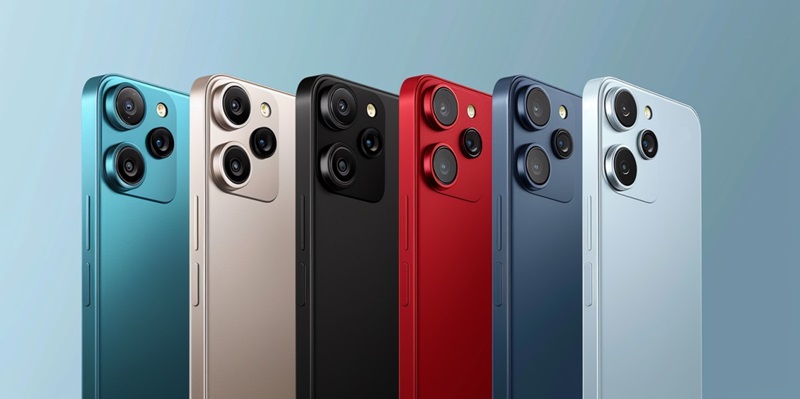
Xiaomi has once again made a mark in the competitive smartphone market with the unveiling of its latest offering, the Redmi Note 13R. This newest member of the Redmi lineup brings a sleek design evolution, especially noticeable in the camera layout, promising a modern appeal to tech enthusiasts. With each release, the Redmi series, known for balancing performance and cost-efficiency, has built a reputation for innovation while maintaining familiarity in design and user experience that resonates with its loyal customer base.
Aesthetic and Display Enhancements
The Redmi Note 13R incorporates a subtly redefined design, distinguishing it from its predecessors. Xiaomi’s approach to this gentle design shift reflects an understanding of consumer desire for both continuity and freshness in their devices. The Redmi Note 13R remains true to the series’ aesthetic values, yet introduces a modernized camera module that appears sleek and aligned with current trends. The visual changes extend to the color palette, with new options that add personalization and flair for users. The tactile feel of the phone continues to deliver comfort and a premium sensation, a hallmark of Xiaomi’s design philosophy.
The front of the device is dominated by a large 6.79” LCD screen that emits vivid colors and sharp details, thanks to its Full HD+ resolution. What makes this display stand out is its 120 Hz refresh rate, which allows for exceptionally smooth scrolling and an improved overall touch interaction. This feature, typically reserved for higher-end smartphones, highlights Xiaomi’s commitment to bringing advanced technologies to a wider audience. Watching videos, playing games, or simply navigating the interface becomes a delight with this level of graphical fluidity, encapsulating the essence of a premium viewing experience in an affordable package.
Performance and Camera Upgrades
Xiaomi’s Redmi Note series continues to leave its mark on the smartphone sector, and the newly-launched Redmi Note 13R is no exception. The device stands out with its refreshed design, focusing particularly on an updated camera layout that is sure to captivate tech aficionados looking for modern aesthetics. Known for striking a fine balance between high performance and affordability, the Redmi line has consistently delivered innovation. This latest model upholds that tradition, offering a nod to familiar design elements and a user experience that Redmi’s devoted consumers have come to trust. Each iteration of the Redmi series aims to reinforce the brand’s commitment to value while progressively integrating enhancements that appeal to a broad audience. The Redmi Note 13R demonstrates Xiaomi’s ongoing dedication to competing in a challenging market by providing users with a device that meets their needs without breaking the bank.