

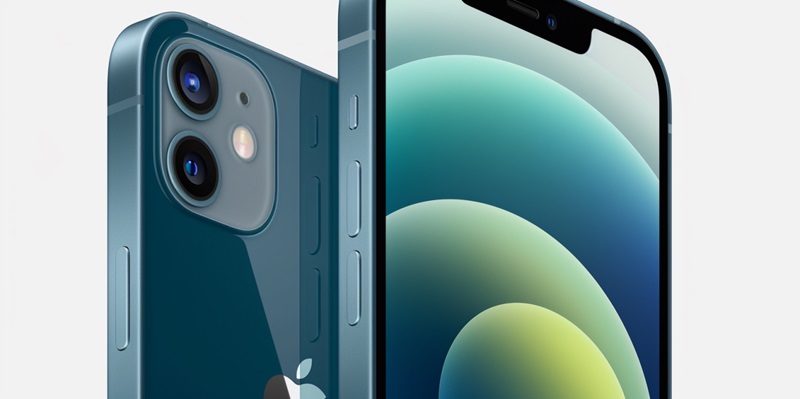
Despite a saturated market, BIM has positioned itself strategically by announcing a lucrative offer on the iPhone 12, set to draw consumers with its cutting-edge technology and high-performance capabilities. The move also signifies the ongoing battle for market dominance in the smartphone industry.
A14 Bionic: The Engine Driving the iPhone 12
The iPhone 12 represents a leap forward in mobile processing power with its A14 Bionic chip. This integrated piece of silicon technology is a marvel, built on a 5-nanometer process and boasting an astonishing 11.8 billion transistors. The A14 Bionic is the first in its class to offer such an advanced node, leading to unprecedented performance and energy efficiency. Apple’s commitment to ensuring a smooth, responsive user experience is evident as the chip seamlessly handles complex tasks from video editing to intense gaming without breaking a sweat. The neural engine embedded within the A14 Bionic endows the iPhone 12 with the ability to perform over a trillion operations per second, a testament to its prowess in machine learning.
In terms of memory, the iPhone 12 is equipped with a sufficient 4 GB of RAM, striking a balance between formidable multitasking and power usage. While this may seem modest compared to some competitors’ offerings, Apple’s ecosystem is known for its resource optimization, turning what might be a limitation into a non-issue for the average user. This memory, coupled with the advanced chip, ensures that the iPhone 12 remains a contender against the latest flagships.
Display and Camera: A Visual Feast
Upgrading from the iPhone 11’s LCD technology, the iPhone 12 ushers in the adoption of the Super Retina XDR OLED display, providing users with richer colors, darker blacks, and overall enhanced visual clarity. This 6.1-inch screen is not just a superficial improvement; it offers a more immersive experience while being more energy-efficient. The high contrast and HDR capabilities mean that whether for streaming videos, gaming, or just browsing, users are treated to visual excellence.
The camera system on the iPhone 12 has received considerable enhancements, most notably with its wide-angle lens featuring an f/1.6 aperture, allowing 27% more light. This improvement is a game-changer for low-light photography, bringing out details and maintaining clarity where previous generations would struggle. The synergy between the optical hardware and the computational photography powered by the A14 Bionic chip enables every shot to be picture-perfect. The dedication to advanced machine learning further enhances photography, allowing the iPhone 12 to adjust settings on the fly for the best possible image.
Competition and Consumer Choices
In the fiercely competitive smartphone arena, BIM is making a strategic play with a highly enticing offer on the iPhone 12. This particular promotion is designed to capture consumers’ attention by tapping into the allure of the device’s advanced technology and robust performance features. BIM’s move is more than a simple sales tactic; it’s a calculated maneuver to claim a larger slice of the market share in a landscape dotted with rivals constantly vying for consumer favor. This latest offer by BIM underscores the relentless struggle among smartphone manufacturers to outshine each other, a contest that ultimately benefits the tech-savvy consumer with ever-improving gadgets. BIM’s iPhone 12 deal might be the catalyst for significant shifts in industry standings, drawing customers who prioritize cutting-edge functionality and powerful gadgetry in their mobile electronics.