

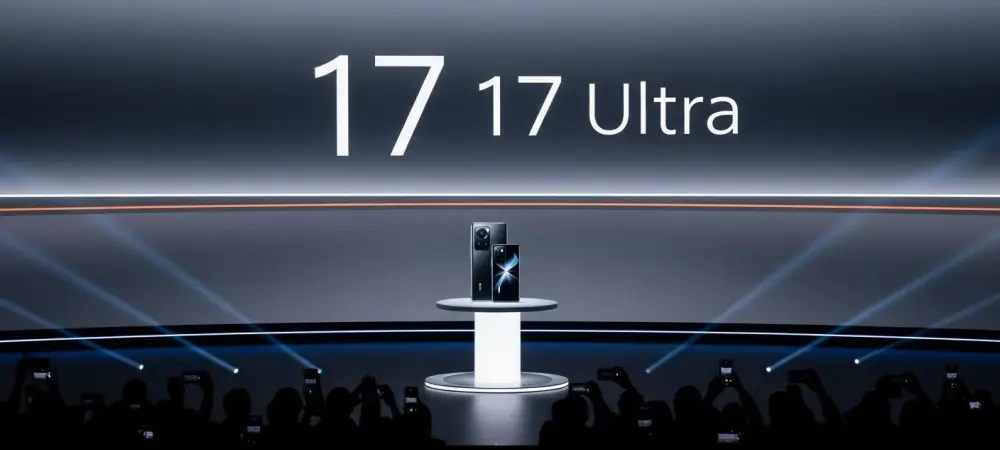
The landscape of premium mobile technology in 2026 demands more than just incremental speed boosts; it requires a seamless synthesis of professional optics and unmatched processing efficiency. Xiaomi addressed this challenge by officially introducing the Xiaomi 17 and Xiaomi 17 Ultra flagships to the Indian market, aiming to redefine expectations for high-end mobile performance. These devices arrived with specifications identical to their international counterparts, signaling a commitment to providing Indian consumers with the same cutting-edge hardware available globally. By leveraging its long-standing partnership with Leica, the company positioned these handsets as serious tools for enthusiasts who prioritize imaging quality above all else. This strategic launch took place at a time when the demand for sophisticated mobile computing reached new heights, forcing manufacturers to innovate rapidly. Consequently, the introduction of these flagships represented a calculated move to solidify a dominant presence in the ultra-premium price segment.
Sophisticated Engineering: The Ultra Experience
The flagship Xiaomi 17 Ultra stood as the pinnacle of this new lineup, commanding a premium price of INR 1,39,999 for its robust 16GB RAM and 512GB storage configuration. It featured an expansive 6.9-inch LTPO OLED display that offered a fluid 120Hz refresh rate, ensuring that every visual interaction felt incredibly responsive and immersive for the user. Under the hood, the device utilized the Snapdragon 8 Elite Gen 5 chipset, a processor designed to handle the most demanding computational tasks and gaming environments currently available in 2026. However, the true centerpiece of the Ultra remained its sophisticated camera system, which integrated a massive 50MP one-inch main sensor alongside a groundbreaking 200MP periscope telephoto lens. This hardware allowed for continuous optical zoom, effectively bridging the gap between traditional professional cameras and mobile devices. A 6,000mAh battery supported by 90W wired charging ensured that power remained consistent even during heavy use.
High Performance: A Compact Powerhouse
In contrast to the larger flagship, the standard Xiaomi 17 functioned as a more compact alternative, beginning at INR 89,999 for the 256GB base model. Despite the smaller 6.3-inch screen, it surprisingly housed a larger 6,330mAh battery and utilized faster 100W wired charging compared to the Ultra variant. Both models shared the same high-performance processor, though the standard version opted for a triple 50MP rear camera setup that maintained a high standard of clarity. To maximize value, buyers sought out the early bird promotions scheduled between March 13 and March 17, which offered storage upgrades or specialized photography kits. Moving forward, consumers should prioritize assessing their specific needs for optical zoom versus portability before committing to such a significant investment. Exploring localized service warranties and professional-grade accessories will be essential for those looking to fully utilize the 200MP sensor capabilities. The market shifted toward devices that act as primary productivity tools, making these flagships a viable long-term investment.