

The global consumer electronics landscape is currently witnessing a tectonic shift as Xiaomi transitions from being a budget-friendly alternative to a primary architect of high-performance hardware ecosystems. This evolution reflects a sophisticated strategy that prioritizes the harmonization of ergonomic design with industrial-grade endurance. By focusing on the concept of incremental perfection, the brand is challenging the dominance of legacy tech giants through a portfolio that balances aggressive pricing with premium technical specifications.
The Evolution: Xiaomi’s Interconnected Product Strategy
The core of this strategy lies in hardware ergonomics and long-range battery life. Unlike many competitors who sacrifice longevity for aesthetics, the brand integrates high-capacity power cells within increasingly thinner chassis. This approach makes high-performance displays accessible without the constant anxiety of a charging cable.
In the broader technological landscape, these developments provide a critical alternative to premium legacy brands. It proves that luxury-tier visibility and durability do not require a premium price tag, effectively disrupting traditional market hierarchies. This commitment to blending aesthetic refinement with technical performance is now the benchmark for the modern ecosystem.
Key Hardware: Performance Upgrades and Components
The Smart Band 10 Pro: Display Innovation
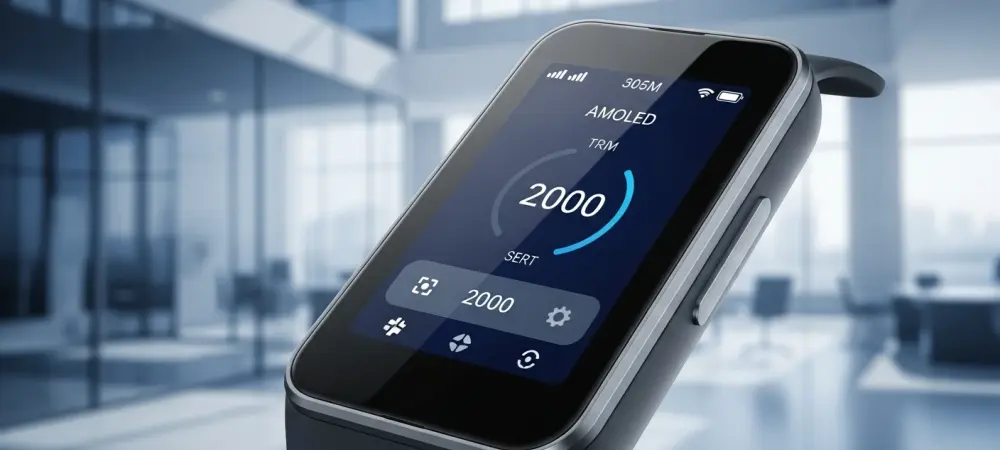
The Smart Band 10 Pro exemplifies the current focus on display innovation. Its 1.74-inch screen achieves a staggering 2,000-nit peak brightness, ensuring that information remains legible even under direct midday sunlight. This technical milestone is paired with dual-light PD sensors that offer a higher resolution for biometric health data. Despite the enhanced hardware, the device maintains a 21-day battery cycle, showcasing a mastery of power management within a refined frame.
The Watch S5: Power Management Efficiency
Moving toward the high-end wearable market, the Watch S5 utilizes a stainless steel construction to bridge the gap between jewelry and utility. The engineering of its 815mAh battery provides a 40% runtime increase over previous generations, a feat achieved through software optimization of the 1.48-inch AMOLED interface. This level of endurance allows users to engage with complex health monitoring features for weeks rather than days, setting a new standard for premium smartwatch efficiency.
The Buds 6: High-Fidelity Wireless Audio
In the audio sector, the Buds 6 introduce a triple-magnet driver system designed to minimize distortion at high volumes. By integrating Qualcomm aptX lossless support, the hardware facilitates bitrates that rival wired connections. The biomimetic design philosophy reflects a shift toward physical ergonomics, utilizing curved surfaces to improve passive isolation. This ensures that the active noise cancellation functions more efficiently by creating a natural acoustic seal within the ear.
The Sound Play Speaker: Scalable Connectivity
The Sound Play speaker expands the ecosystem into portable audio with an 18W output and IP68-rated durability for versatile environmental use. Beyond its rugged build, the inclusion of Auracast technology represents a significant advancement in scalable connectivity. This standard allows the synchronization of up to 100 audio units simultaneously, creating a massive, decentralized soundstage. Such features illustrate how the brand is leveraging open-source standards to build a more flexible audio environment.
Recent Trends: Ergonomic Refinement and Battery Density
Recent industry trends indicate a move toward maximizing battery density while simultaneously reducing device thickness. This thin-and-powerful paradigm relies on emerging sensor algorithms that can interpret health data with less energy. As sleep detection and biometric monitoring become more sophisticated, consumer expectations are shifting toward devices that offer deep medical-grade insights without the bulk of traditional clinical equipment.
Real-World Applications: Diverse Sector Use
These technologies find practical applications across diverse sectors, ranging from professional health monitoring to rugged outdoor fitness. The aggressive pricing strategy facilitates rapid adoption among urban professionals who require reliable tracking and long-lasting entertainment. Furthermore, the durable build quality ensures that these devices survive the rigors of adventurous lifestyles, making them versatile tools rather than just fragile accessories for casual use.
Technical Obstacles: Market Adoption Challenges
However, maintaining thermal efficiency in ultra-thin wearables remains a significant technical obstacle. As processing power increases, managing heat dissipation without adding mass is a constant struggle. Additionally, cross-brand compatibility for high-fidelity audio standards continues to be a hurdle for universal adoption. Developers must find ways to harmonize software ecosystems to ensure that the benefits of lossless streaming are not limited by proprietary hardware walls.
Future Outlook: Interconnected Smart Hardware
Looking forward, the integration of predictive AI within wearable sensors will likely redefine the consumer health sector. Instead of just reporting past data, future hardware will analyze trends to provide proactive health warnings. As high-end features continue to migrate into the budget-conscious market, global competition will intensify, forcing all manufacturers to prioritize long-term value over short-term aesthetic gimmicks.
Conclusion: Assessing the Current Impact of the Ecosystem
The assessment of the current ecosystem demonstrated a successful balance between aesthetic refinement and technical endurance. Xiaomi’s recent trajectory proved that the value-to-performance ratio could be redefined through strategic hardware integration and power optimization. By focusing on the user experience rather than just raw specifications, the brand established a strong market position. Future developers were tasked with enhancing cross-device communication to ensure these tools remained indispensable in an increasingly crowded technological landscape.